Retrogusti Profile
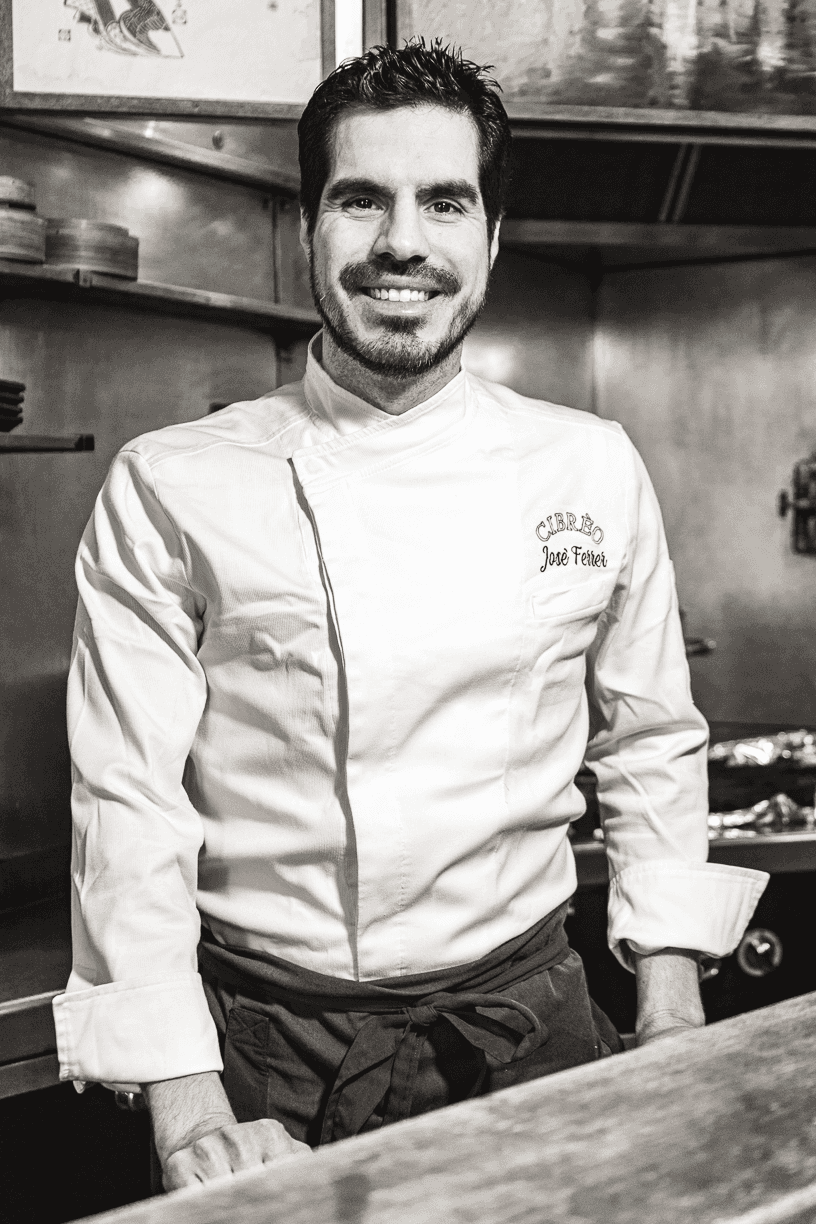
Name: José Ferrer Da Silva Carvalho
Year of birth: 1989
Origin: Rio de Janeiro (Brazil)
Where he cooks today: Ciblèo Firenze (FI)
Originally from Brazil, he began his journey as a marine biologist. He moved to the United States to study English and there, almost by chance, found work in the kitchen, discovering an authentic passion that would change his future.
Back in his homeland, he embarked on a path of growth and training in the cuisine of his roots, deepening its techniques and identity. Driven by the desire to evolve further, he then decided to cross the ocean to discover Italian tradition.
During his final month of studies, instead of returning to Brazil, he chose to stay: it was at Cibrèo that the desire to deepen and consolidate this experience was born in him, marking a new chapter in his professional journey.
He stayed for a while in the Sant'Ambrogio venues before moving on to Cibrèo Caffè inside the Hotel Helvetia & Bristol at its opening. A few months ago, he returned to Sant'Ambrogio as Resident Chef of the kitchens of Ciblèo.
His world
Ingredients that represents him
Tapioca, not only because in Brazil it is a very “cultural” ingredient, but also because it is something very emotional and personal. When I was a child my grandmother often made crêpes with tapioca, and she made both the savory version with a little melted butter, and the sweet version that I ate with a bit of chocolate. I have kept that nostalgia and those emotions about tapioca in my mind.
When I started this career I understood that tapioca was much more than what I ate when I was a child, but the most emotional part is all there.
Ingredients that he avoids
Snails, because in Brazil they are not a food or an ingredient we know how to use regularly; we really don't have the culture of using them. So I have difficulty using them too.
Who knows, in the future, if I find a very good person who reveals their secret to me, I'll try them! But at the moment they are not my favorite or main ingredient to use.
The dish that makes him feel like a child again
Churrasco (Brazilian Barbecue).
Churrasco is one of the main comfort foods, but also a way to introduce people to a new setting or to be together, whether with friends or family. There is always a reason to celebrate or to have lunch, on a Sunday, a Saturday, a weekend, to party or to watch a soccer game and have a barbecue. With my dad we always played soccer on Saturday afternoon and then, in the evening, he would take me to the beach, and on the sand we would have a barbecue, and in fact Churrasco always reminds me of him in an affectionate way and makes me feel nostalgic for my family, my parents. Then Churrasco is very versatile and even with friends it was the easiest thing to do because everyone likes it. It involves everyone because everyone has to take turns, so it was not always one fixed person cooking for the whole group. For this reason I chose Churrasco, because it is a collective ritual and it is very widespread both in Rio, mainly, but also in southern Brazil and in São Paulo.
A master
Mauricio Saes was my first chef and mentor. When I started working in this world, in the beginning I really didn’t know anything, I was completely “raw”; I wouldn’t say irresponsible, but I didn’t understand much about kitchen things. And one of the lessons he taught me, when I left to pursue a new experience, were these words: “It doesn’t matter how much you do, how much you work, how much you earn: do everything you think is right for yourself, and as long as you have something to learn, there will never be enough money to pay you more than the path you are following. After you’ve learned everything there is to learn in a place, then you can negotiate your value. But never leave a place if you can still learn something. Don’t think too much about material things, but about the more emotional ones: if you are good both with people and with your emotions, you will learn that if you commit yourself to what you do, you will also succeed in loving what you do, even this job.” This made a huge impression on me as a first experience, and I’d say that, beyond being a mentor, a teacher, and a chef, he was also a philosopher to me, because he always said wonderful things.
The setting
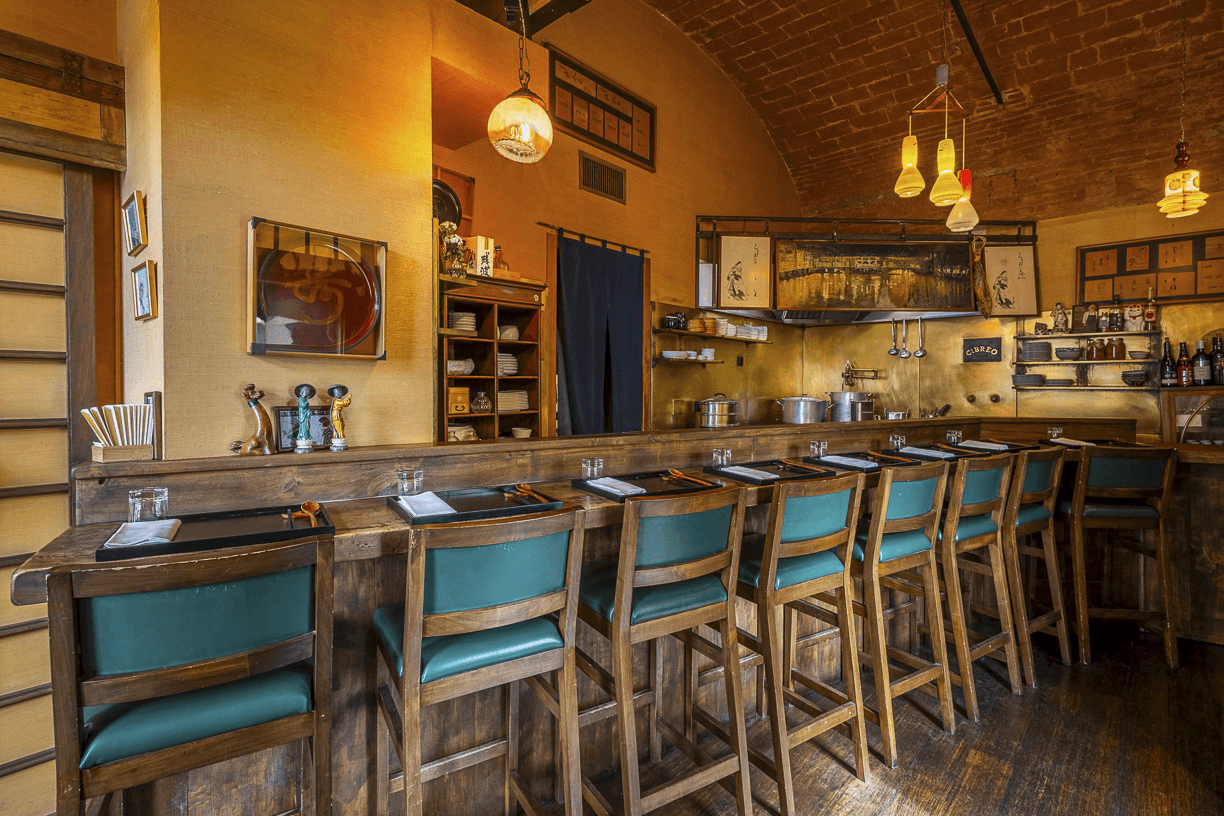
Restaurant: Ciblèo
Via del Verrocchio 2r, Florence (FI)
Seats: 18 + Outdoor
Team
Sous chef: Alauddin Khan
Sommelier/Dining room: Kaori Shinmura
Philosophy
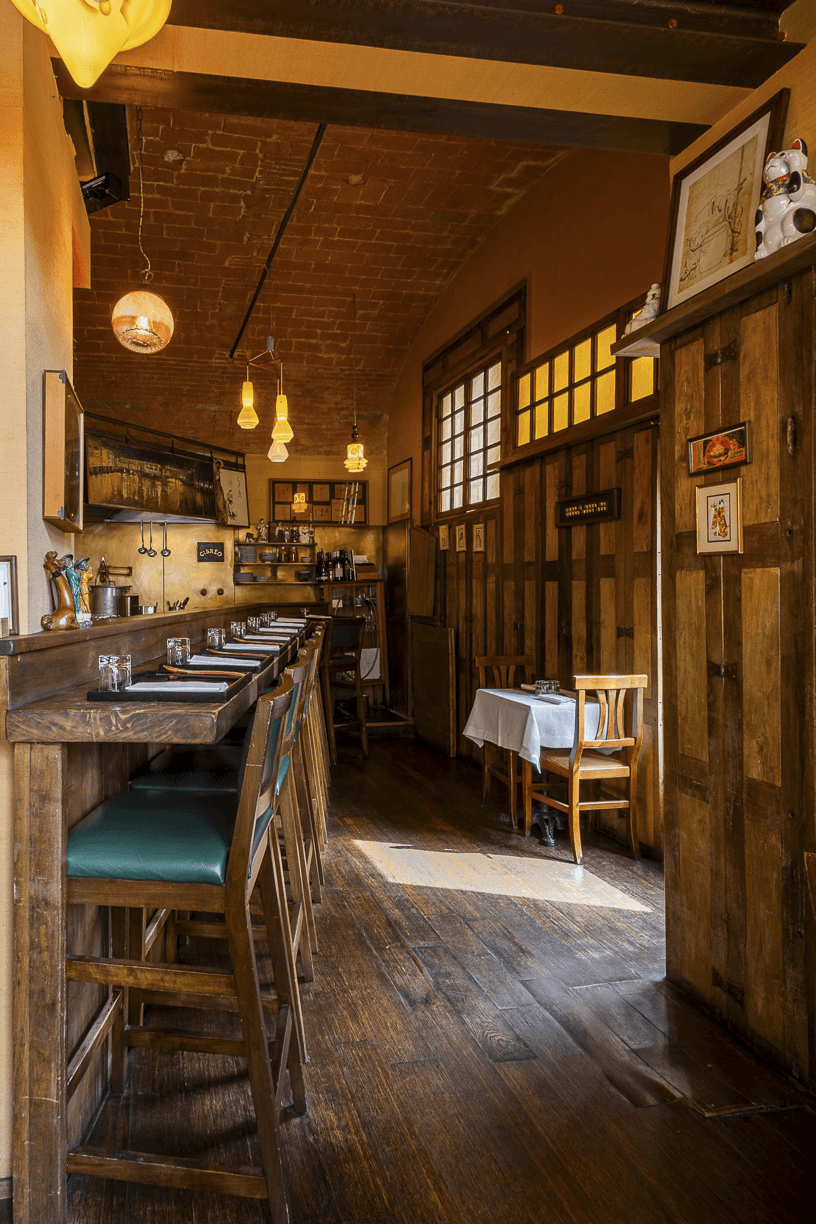
A Tuscan-Oriental gem inspired by kaiseki, with an intimate and welcoming feel, offering a refined culinary experience unlike any other, created by blending Tuscan, Japanese, Korean, and Chinese cuisine: a truly memorable taste experience. It is an Asian restaurant unlike any other, not to be confused with fusion cuisine, because it does not mix different cultures but rather two distinct identities into a solution that does not exist in any other form in the world. Ciblèo is Florence’s take on Eastern popular cuisine, elevated with rigorously seasonal, local, and organic ingredients. With that Tuscan touch, or inspired by historic and iconic dishes, Cibrèo leaves a lasting impression.
The 5 Retrogusti questions
What is the aftertaste of your cuisine?
My cuisine is not a single note, but a blend of flavors that linger on the palate between warmth, depth, and tropical freshness»
What is not seen on the plate but is so important?
The research and passion needed to arrive at that particular flavor»
Thinking of skipping the steps made me realize, instead, that each one is necessary
A culinary tradition that tells the story of your region better than a thousand words?
Feijoada and Caipirinha best express my roots
How do you see your kitchen in the future?
Aim for the sensation of making the customer feel barefoot on the beach.
The signature dish
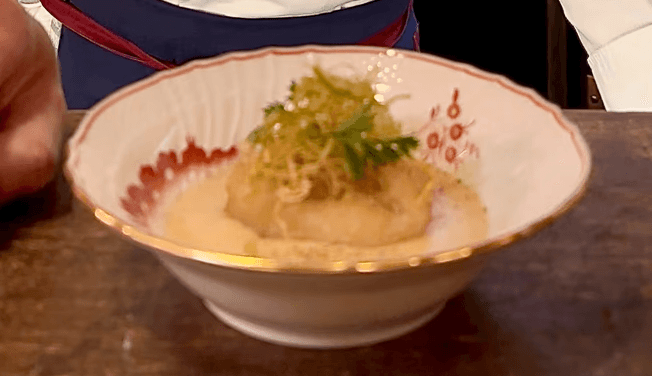
A tasty dish that combines memory, local tradition, and technique. It appeals to both adults and children.
Feijoada
Ingredients for four people
4 cups of black beans
4 bay leaves
2 minced garlic cloves
1 chopped red onion
1 Paio sausage
1 Calabrian sausage
500 g smoked pork ribs
100 g chopped bacon
Preparation
1 Put the beans in the pressure cooker covered with water.
2 Add the bay leaves and a pinch of salt.
3 Cook for 25 minutes from when the steam starts to come out.
4 Turn off the heat.
5 Let the steam escape.
6 Fry the bacon in a pot and set aside. Subsequently, fry the sausages and set aside.
7 In the pan with the fat, add the onions and garlic until they turn golden.
8 Mix all the meat together to make a base in the pot (this base will release all the flavor when the beans are poured in with cooking water).
9 Let it boil over medium heat for 40 minutes or until it becomes creamy.