
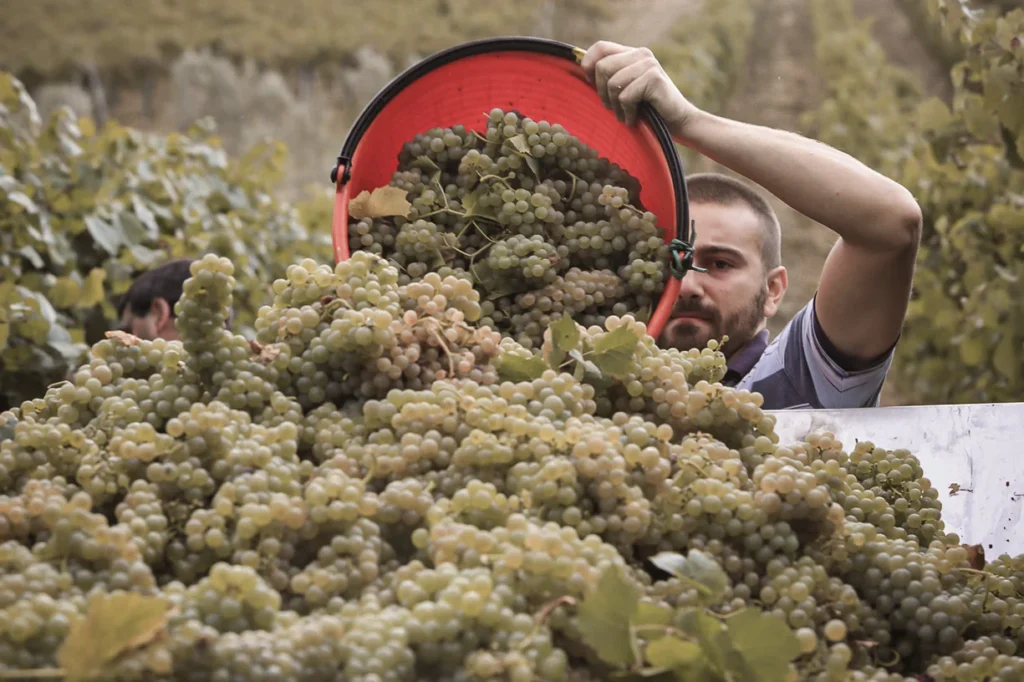
Il grande pubblico ama l’epica del singolo. Quando un figlio d’arte prende le redini dell’azienda di famiglia, ci si aspetta sempre il colpo di scena individuale, la narrazione romantica del fuoriclasse che risolve la partita da solo. Ma la viticoltura dell’entroterra lagunare non è un campo in erba sintetica. È un terreno pesante, fatto di argilla, gerarchia e visione di squadra.
Nel rugby esiste una regola controintuitiva, quasi filosofica: per far avanzare il gruppo, devi passare la palla all’indietro. Devi sporcarti e aver assaggiato il sapore del sudore e del sangue per dire di averci veramente giocato. È uno sport di collisioni, di cicatrici sulla schiena e di spinta collettiva. Questa è l’esatta, chirurgica fotografia di ciò che sta accadendo in una terra che l’enologia mainstream, spesso pigra e assuefatta ai volumi facili, si ostina a ignorare: la provincia di Venezia.
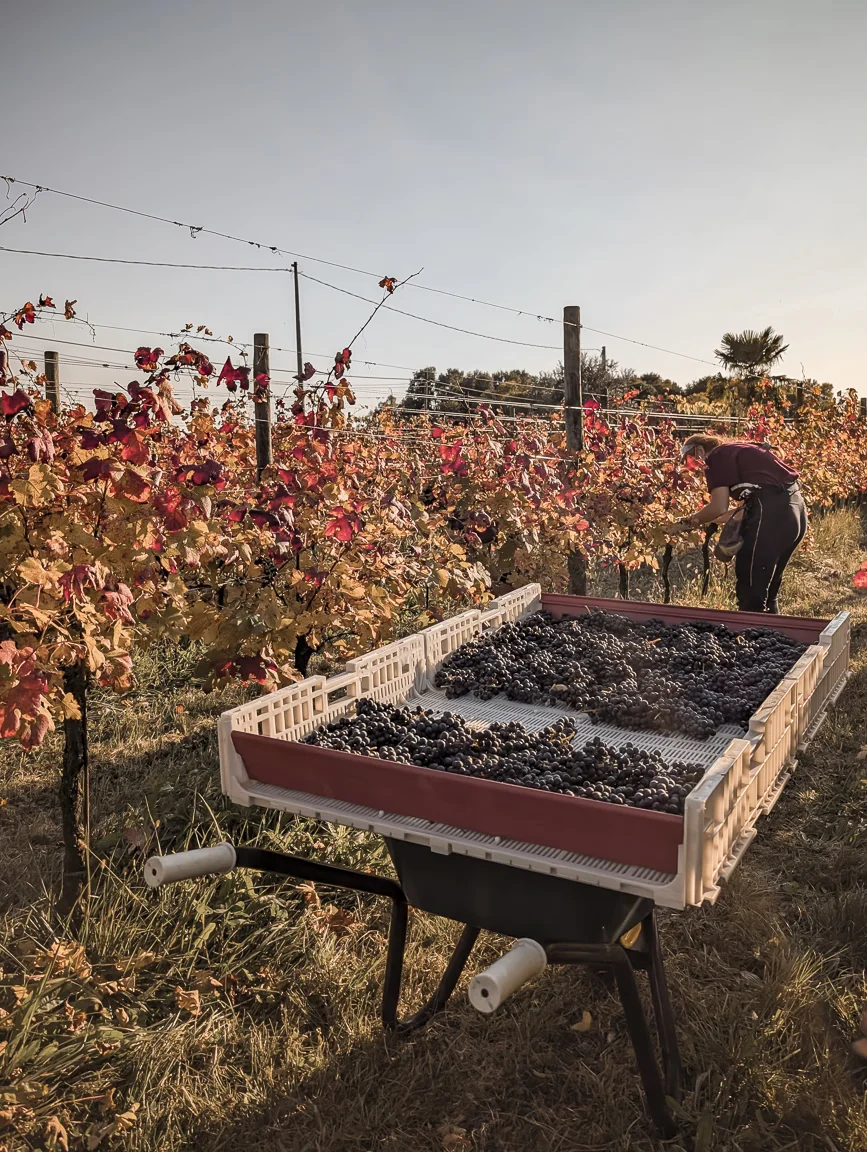
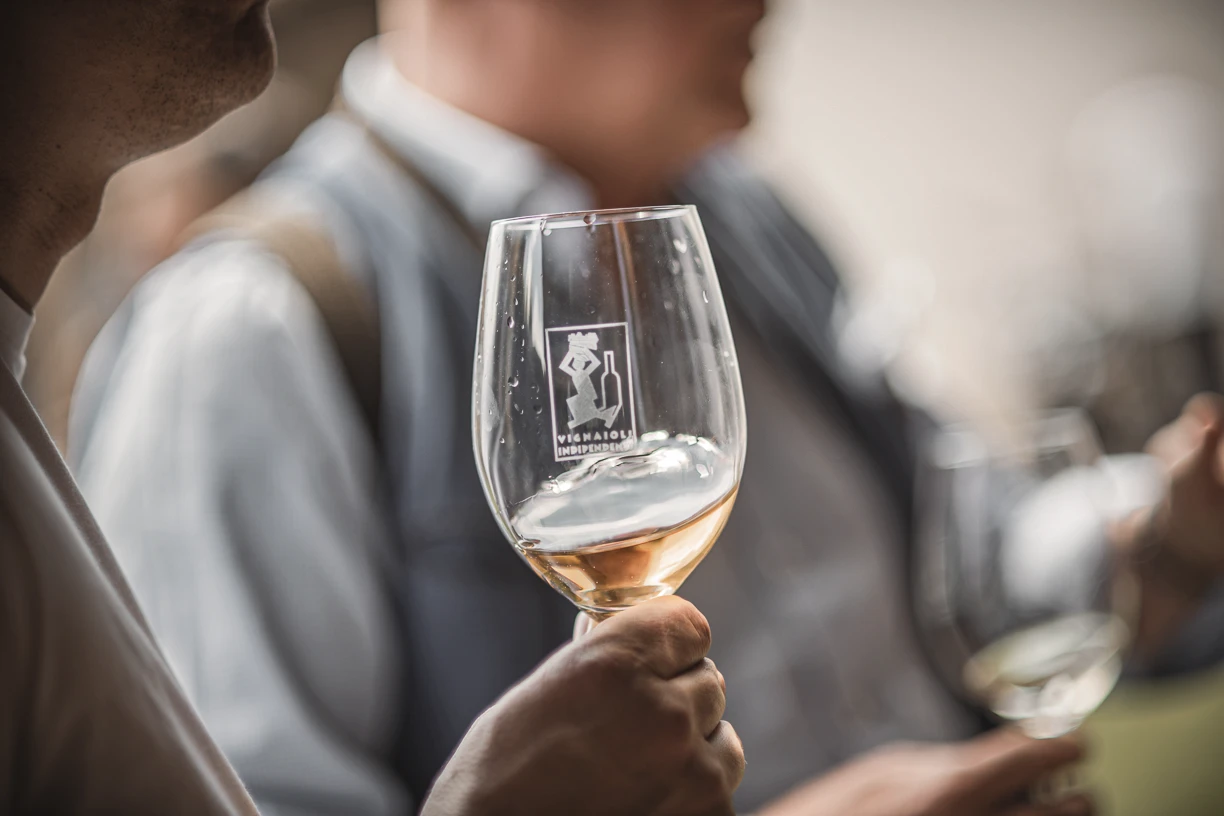
Se dico “Veneto”, il riflesso condizionato del bevitore medio e, purtroppo, anche di qualche sedicente buyer scatta in automatico verso le colline – UNESCO e non – del Prosecco o sulle vallate della Valpolicella (i nostri gloriosi, seppur a volte inflazionati, bancomat regionali). Eppure, all’ombra della Laguna, c’è un manipolo di produttori legati alla FIVI, la Federazione Italiana Vignaioli Indipendenti, che sta giocando una partita totalmente diversa. Sono pochi, ma hanno la schiena dritta.
Qui non c’è grande spazio per i vini da business: quelli vengono lasciati ai manager dell’enologia industriale.
Nel veneziano la strategia è l’identità, cruda e non filtrata. C’è un plotone ristretto in pieno e solido ricambio generazionale: madri che passano le redini alle figlie, padri che affiancano i figli tra i filari di una Venezia silenziosa. Realtà come Tessere, Borgo Stajnbech, La Frassina, A Mi Manera, Vigne del Bosco Olmè, fino a progetti in consolidamento come Route 47. Il punto, qui, non è il singolo talento. È la mischia.
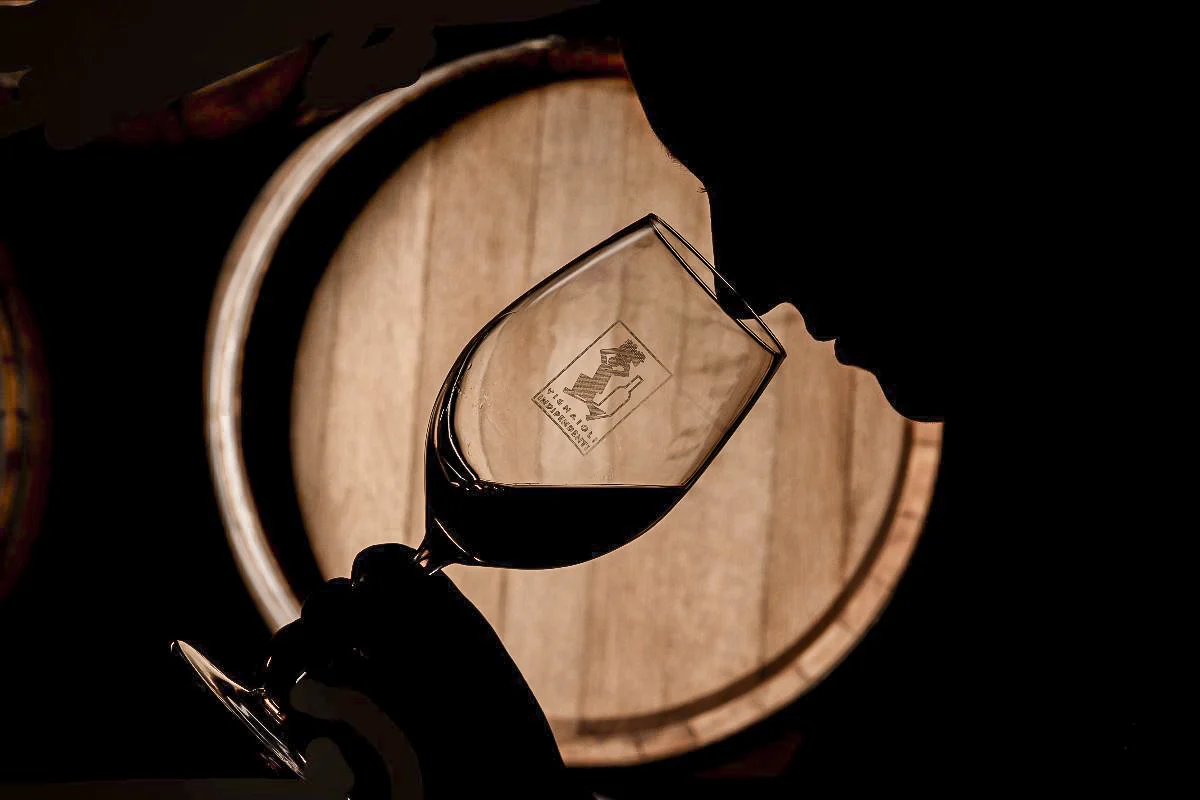
Hanno preso in mano le aziende e si sono rifiutati di assecondare logiche di cassa veloce, fatte con vini parkerizzati e ruffiani, scegliendo di rimboccarsi le maniche e restare nella trincea del territorio.
E in questa mischia, il peso specifico è dato dai vitigni autoctoni. Siamo nelle terre del Lison Classico e della DOCG Lison, dove il bianco friulano (figlio di quello che un tempo si chiamava tocai) non è solo un calice, ma una rivendicazione.
Spostandosi più a sud, nel comprensorio del Piave, la bandiera diventa il raboso. Un’uva scorbutica, acida, ruvida, che richiede anni per essere domata nelle sue versioni classiche o passite. Un vino che ti guarda dritto negli occhi e non ti chiede mai scusa. Poi ci sono le sperimentazioni identitarie: il recupero della malvasia, l’uso del refosco e quel merlot che, pur essendo tecnicamente un vitigno internazionale, dimora in questa pianura da un secolo, acquisendo una sorta di autoctonia di diritto, come una promozione napoleonica conquistata sul campo vendemmia dopo vendemmia.
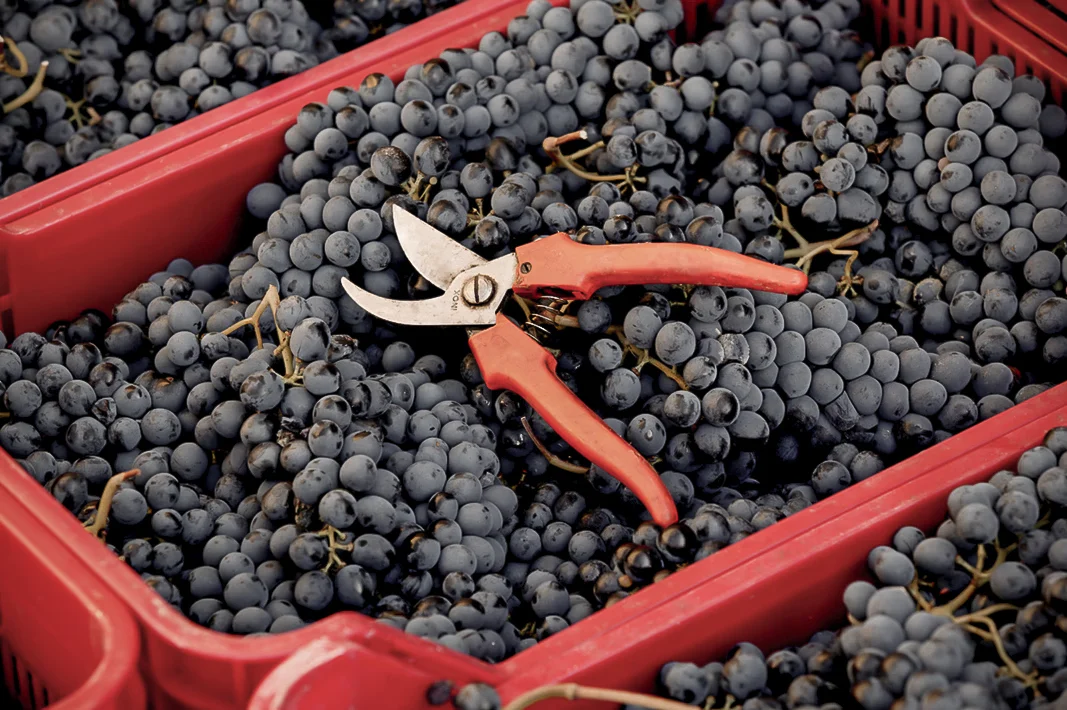
Sono vini che dialogano perfettamente sia con la cucina tradizionale sia con quella contemporanea, facendosi interpreti di uno stile di vita moderno che predilige gradazioni alcoliche moderate. Questo equilibrio è una cifra stilistica, un filo conduttore pensato per arricchire l’esperienza di chi vive o visita il territorio veneziano attraverso struttura e carattere, ma sempre vivacizzati da una nota di freschezza.
In un mercato che semplifica, scegliere l’identità è già una forma di resistenza.
Tutti tasselli per elevare non il bilancio della singola cantina, ma per riscrivere il destino di una macro-area.
Lo sforzo per il Lison o per il Piave viene vissuto abbracciandosi nella stessa spinta, testa contro testa, per portare il Veneto orientale fuori dai margini. Questi ragazzi hanno decodificato un teorema semplice: vincere nell’enoturismo non significa aprire il cancello sperando che la massa pagante bussi per grazia ricevuta. Significa portare un pubblico fidelizzato dentro una destinazione intera. In un mondo in cui tutti sgomitano al bancone, hanno compreso che stringendo le file e condividendo i pesi dell’eredità familiare, le individualità emergono per spinta collettiva, non per egoismo.
Serve educare il mercato, sbattendogli in faccia la realtà: Venezia non è solo il salotto di Piazza San Marco, l’Hotel Excelsior o la storica “Stanza” dell’Harry’s Bar. È anche un entroterra agricolo vivo, dove il vino è fatica, umiltà e pianura. Oggi, i giovani eredi del vino veneziano usano nuove competenze per valorizzare ciò che i loro “vecchi” hanno protetto dall’espianto.
Sanno perfettamente che, essendo numericamente inferiori, o si spinge tutti insieme nella stessa direzione, oppure l’omologazione del gusto li spazzerà via. Il vino, qui, non è solo prodotto: è un atto di resistenza. E mentre il resto del mondo corre verso sapori rassicuranti e comfort zone, i vignaioli del veneziano restano in campo, spalla contro spalla. Pronti a passare la palla all’indietro alla prossima generazione, pur di far avanzare la loro terra.