
“Si no ves burro no se te antoja el viaje” è un’espressione popolare che ho ascoltato per la prima volta in una frazione di un piccolo comune messicano, Arroyo Dehesa, nello stato di Veracruz. Letteralmente significa: quando vedrai l’asino, allora – e solo allora – ti verrà voglia di viaggiare. Un detto che evoca immagini quasi bibliche, ma che soprattutto restituisce con ironia la percezione locale del tempo nella vita quotidiana.
In realtà, viene usato in modo caricaturale per sottolineare la procrastinazione di una scelta, spesso ludica, che arriva solo dopo averne percepito il beneficio.
È un’attesa che non genera ansia, ma appartenenza, condivisione, accettazione dei ritmi naturali delle cose.
Nell’agosto 2025, durante un viaggio nello stato di Oaxaca, nel Messico centro-meridionale, ho potuto vivere questo detto dal punto di vista gastronomico. Passeggiando nel mercato cittadino di Oaxaca, bancarella dopo bancarella, ho capito che qui il tempo non si misura in ore, ma in sapori.
Pan de yema y chocolate
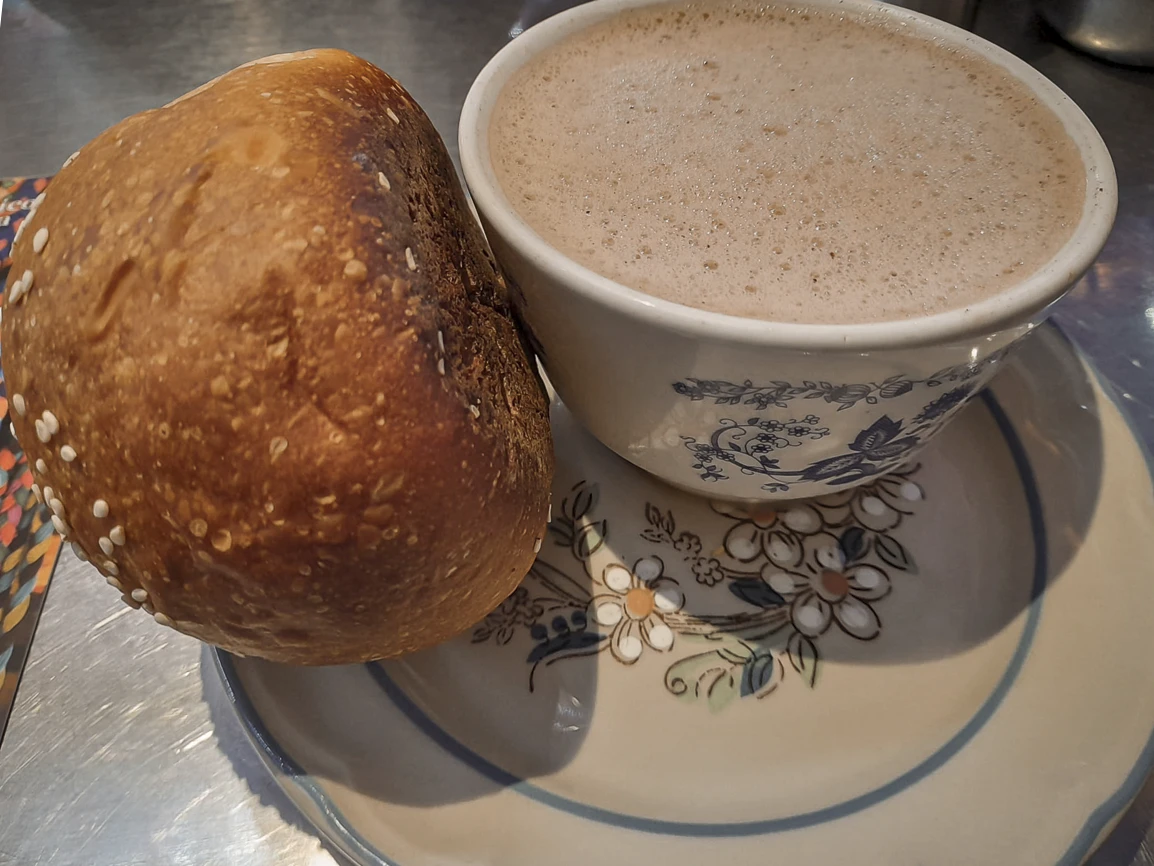
Il mercato pullula di gente già dalle prime luci del mattino. Si può iniziare la giornata con un frullato di frutta e verdura di ogni colore, oppure con un pan de yema y chocolate, disponibile per tutta la mattinata. Non mancano colazioni salate a base di mais, pollo sfilacciato e salse piccanti, gli immancabili antojitos, o uova declinate in mille versioni.
Io ho scelto una tazza fumante di latte aromatizzato con bacche di cannella, in cui è disciolta una pasta di cioccolato intenso e profondo. La bevanda è sempre accompagnata da un pane dolce impastato con tuorlo d’uovo, per essere certi di iniziare la giornata con todo.
La vera bellezza, a Oaxaca, è poter seguire il rituale del cioccolato già dal pomeriggio precedente, osservando nelle bodegas la preparazione della pasta e l’uso del molinillo, che ruotando sul fuoco medio scioglie il cioccolato in modo uniforme. Una pozione quasi magica, da bere e da vivere.
Pollo con mole y arroz
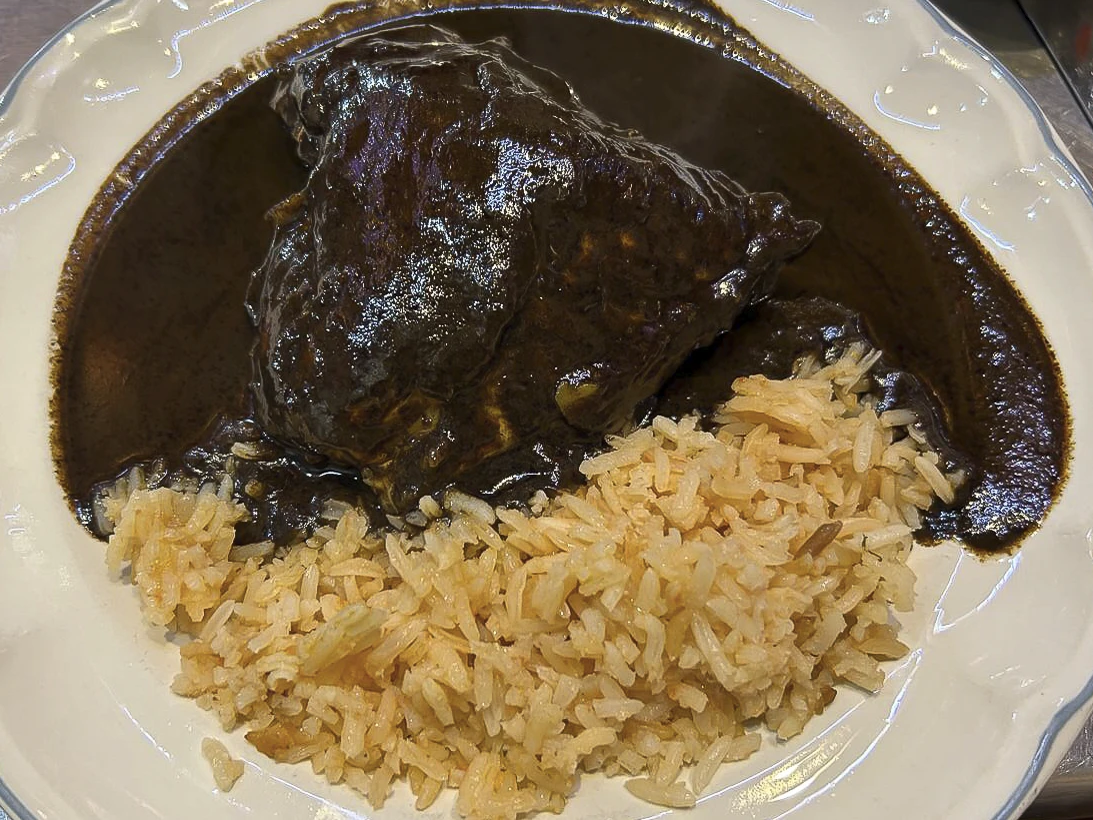
Dopo una passeggiata nel centro storico di Oaxaca, ho pranzato con uno dei piatti simbolo della cucina locale: il pollo con mole. Le varianti sono numerose e cambiano da stato a stato, ma qui il pollo bollito viene avvolto da una salsa complessa, speziata, dolce e piccante allo stesso tempo, in cui il cioccolato non è protagonista assoluto, ma memoria persistente.
Il piatto è accompagnato da riso bollito a chicchi ben separati e tortillas di mais, usate come cucchiaio commestibile.
Per struttura e aromaticità, ho abbinato mezzo bicchiere di mezcal artesanal bianco. Mi sono promesso di assaggiare le chapulines in versione gourmet un’altra volta. Dopo aver provato una crema di burro e formiche su crackers caldi a Metepec, vicino a Città del Messico, sapevo che certi incontri richiedono il momento giusto.
Mezcal artesanal
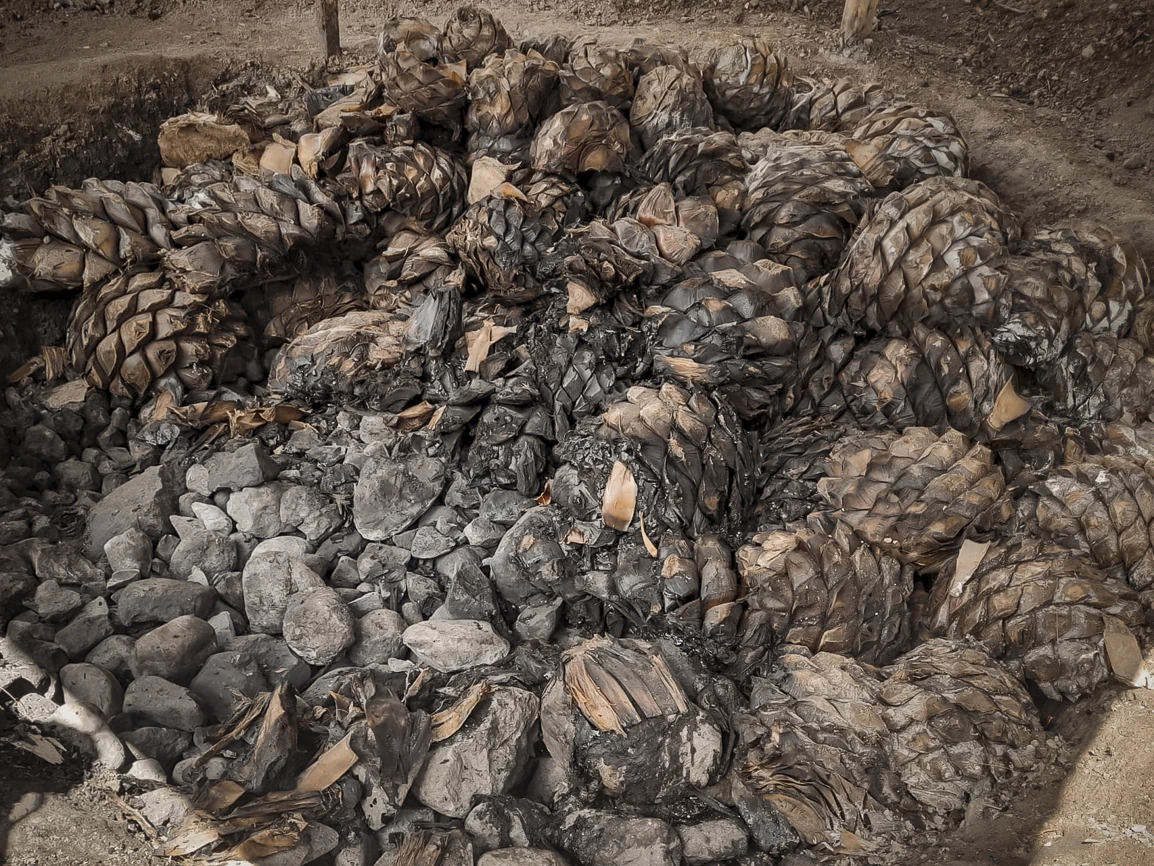
Non esiste un viaggio a Oaxaca senza imboccare la ruta del mezcal. È un percorso che attraversa un’ampia area intorno alla città, punteggiata da piccole haciendas dedite alla produzione artigianale.
Prima ancora delle distillerie, il viaggio è fatto di sole, aridità, verde del maguey e volti asciutti incontrati lungo la strada, spesso accompagnati da un asino. C’è sempre un asino sulla via.
Assaggiare tutte le fasi, dalla pianta al distillato, è come attraversare un racconto che non ha bisogno di essere spiegato.
Tlayuda
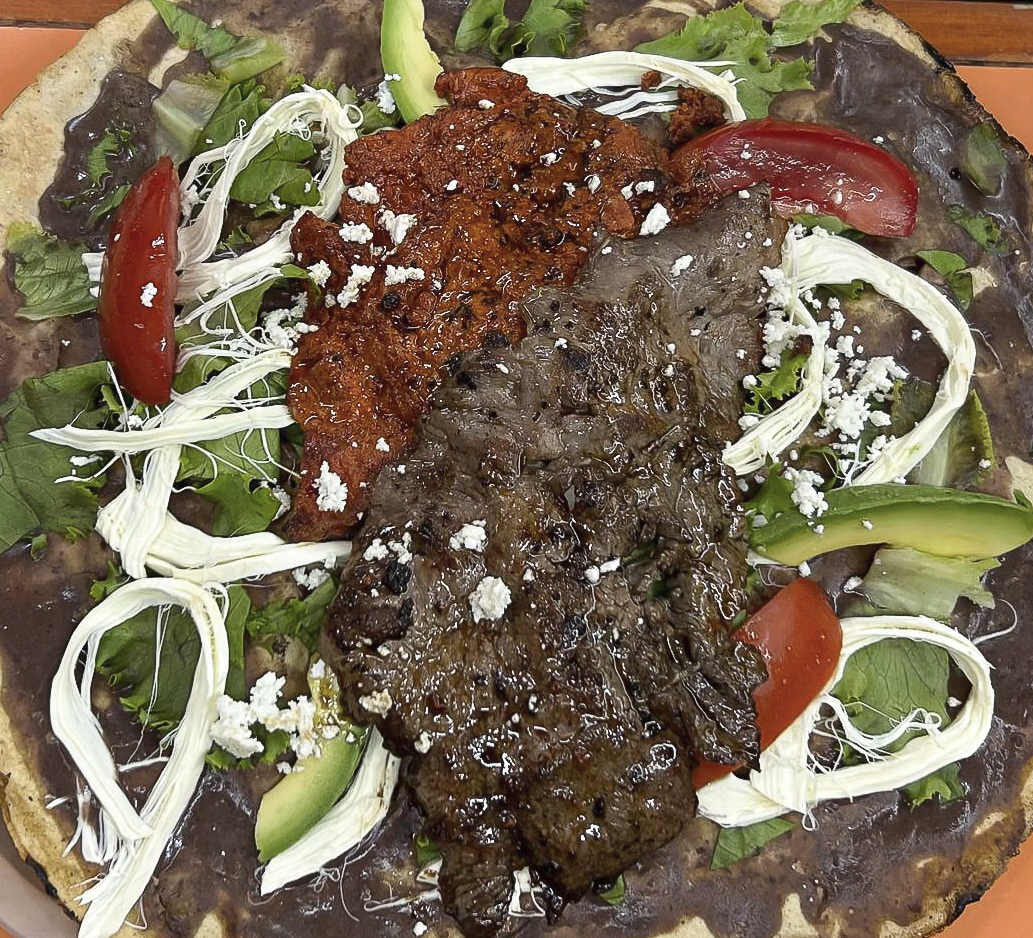
Pensare alla “pizza messicana” in Messico è un errore concettuale. Qui la tlayuda è un’altra cosa. Una base sottile di mais essiccato, spalmata con una crema di fagioli e farcita in diversi modi.
Per cena ho scelto una tlayuda con avocado, queso oaxaqueño e carne asada: una fettina di manzo e un chorizo alla piastra, il tutto accompagnato da una birra ambrata poco gassata. Esistono anche versioni vegetariane e di mare, ma la carne resta la più diffusa.
Al mercato di Oaxaca ho imparato che un campione difficilmente sarà un campionissimo.
Ma se la giornata inizia con parsimonia, allora ce la si può fare. E chiudere la ruta del mezcal con una tlayuda era esattamente ciò che serviva.
Chile
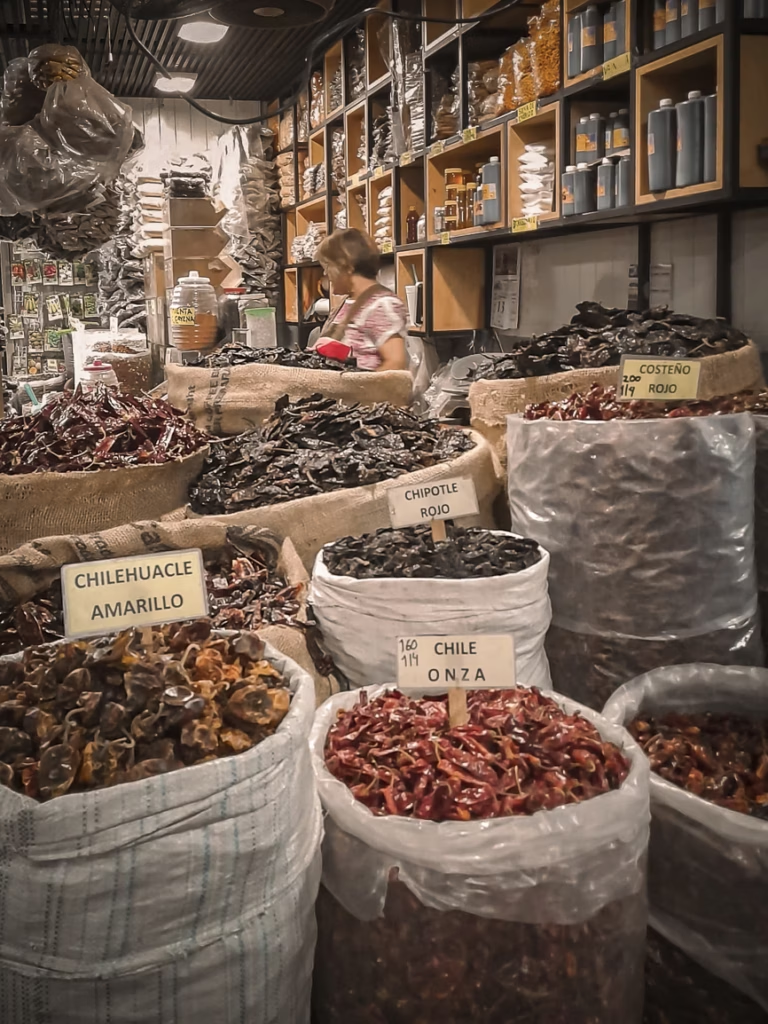
Una giornata al mercato non può concludersi senza acquistare peperoncini. Classificarli richiederebbe l’aiuto di un’enciclopedia: pica o non pica, e se pica, pica poco o pica mucho. Non è una questione di resistenza, ma di attitudine.
Ho comprato un po’ di tutto, per assaggiare questi accessori fondamentali della cucina messicana. Perché qui il peperoncino non è solo gusto. È carattere, spirito, identità. È il modo in cui Oaxaca insegna ad aspettare, ad assaggiare, a capire.