
In collaborazione con

Quando Gloria Lucchesi, musicista e insegnante di incontenibile creatività, ha dato vita alla Cooperativa di Comunità Filo&Fibra insieme a donne determinate del piccolo borgo toscano di San Casciano dei Bagni, non avrebbe mai potuto immaginare gli incredibili traguardi che F&F avrebbe raggiunto nel giro di pochi anni.
La Cooperativa è nata nel 2018 con l’intento principale di riportare il lavoro in un territorio dove, soprattutto le donne lavoratrici, avevano subito tagli occupazionali. Il progetto era caratterizzato da una forte vocazione alla sostenibilità ed al rispetto dell’ambiente. Altro ambizioso obiettivo era conservare competenze professionali ed artigianali di antica tradizione dando al contempo spazio alla creatività, valorizzando la comunità ed il territorio.
La Cooperativa ha iniziato a produrre i primi manufatti realizzati con stoffe d’epoca e pregiate, utilizzando il materiale reperito in vecchi magazzini di tessuti.
Borse, abiti, oggetti per la casa hanno iniziato a vedere la luce grazie al laboratorio di San Casciano dei Bagni, attrezzato con arredi realizzati da materiale riciclato e con macchine da cucire recuperate da fabbriche dismesse. L’attività della Cooperativa si è evoluta entrando nel campo del riutilizzo della lana “sucida” ordinaria, quella lana non utilizzata perché poco pregiata, considerata rifiuto speciale, che costituisce un problema per gli allevatori di ovini in quanto il suo smaltimento risulta costoso e complesso. Questo rifiuto speciale può però trovare nuova vita se utilizzato, ad esempio, per produrre il feltro o del materiale isolante. La cooperativa ha raccolto la produzione di lana dagli allevatori locali trasformandola in materiale nobile.
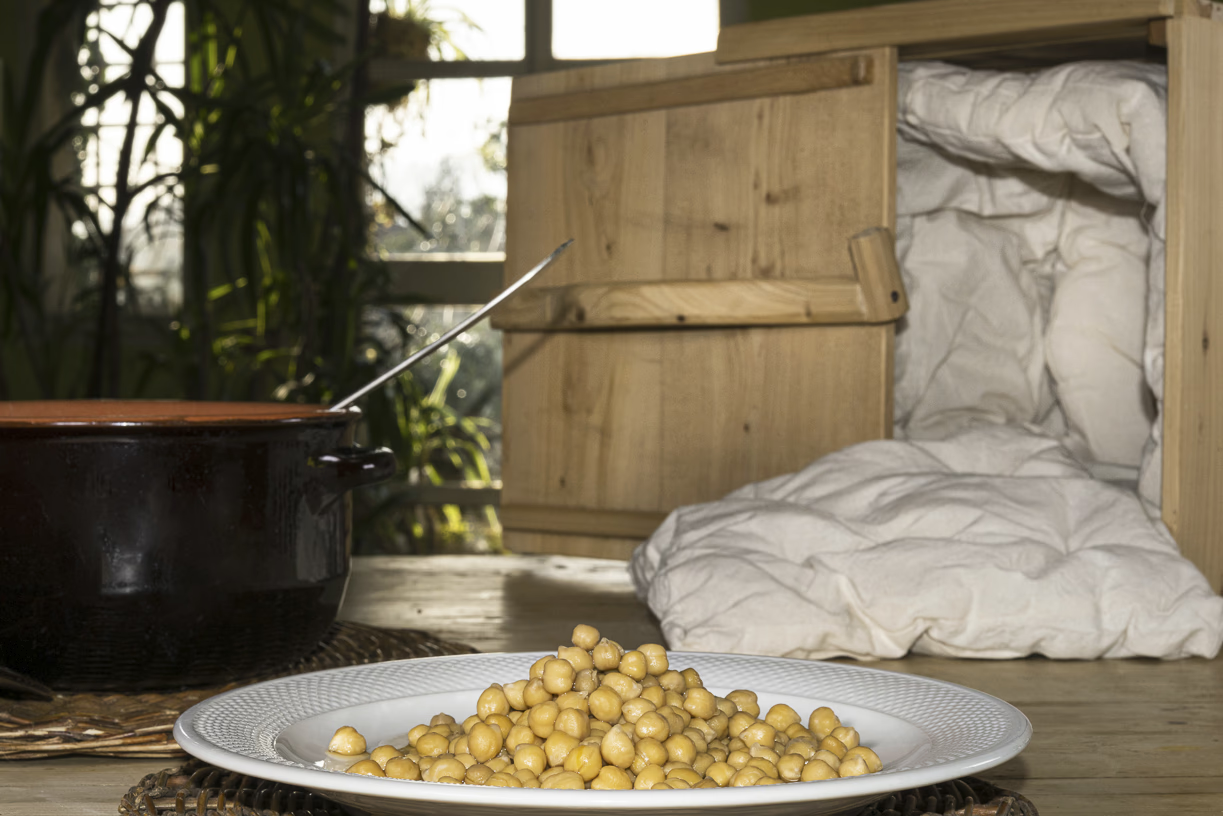
Nello stesso periodo Gloria Lucchesi ha casualmente scoperto, nel cassetto di un mobile appartenuto a sua nonna, un vecchio, piccolo libro quasi interamente dedicato alla cassetta di cottura. Associando le sue competenze acquisite sulla lana, formidabile materiale isolante, alle idee contenute nel libro ha avuto l’idea di riportare in uso una versione 2.0 della cassetta di cottura. Ma che cosa è una cassetta di cottura?
La cassetta é un contenitore, la cui forma è oggi realizzata da Filo&Fibra con innovativo design di Vanessa Chioccini, che sfrutta l’inerzia termica per la cottura lenta dei cibi.
Grazie alla coibentazione data dalla lana, il cibo, dopo aver preso il bollore sui fornelli, viene posto all’interno della cassetta, dove la cottura prosegue senza ulteriore utilizzo di energia (gas o elettricità) e con considerevole risparmio anche di acqua. Nel libro della nonna si descriveva come questo oggetto di antiche origini fosse stato molto utilizzato durante la Prima e la Seconda Guerra Mondiale e venivano date anche importanti informazioni sulle sue prestazioni e su come fosse realizzabile utilizzando esclusivamente materiali riciclati.
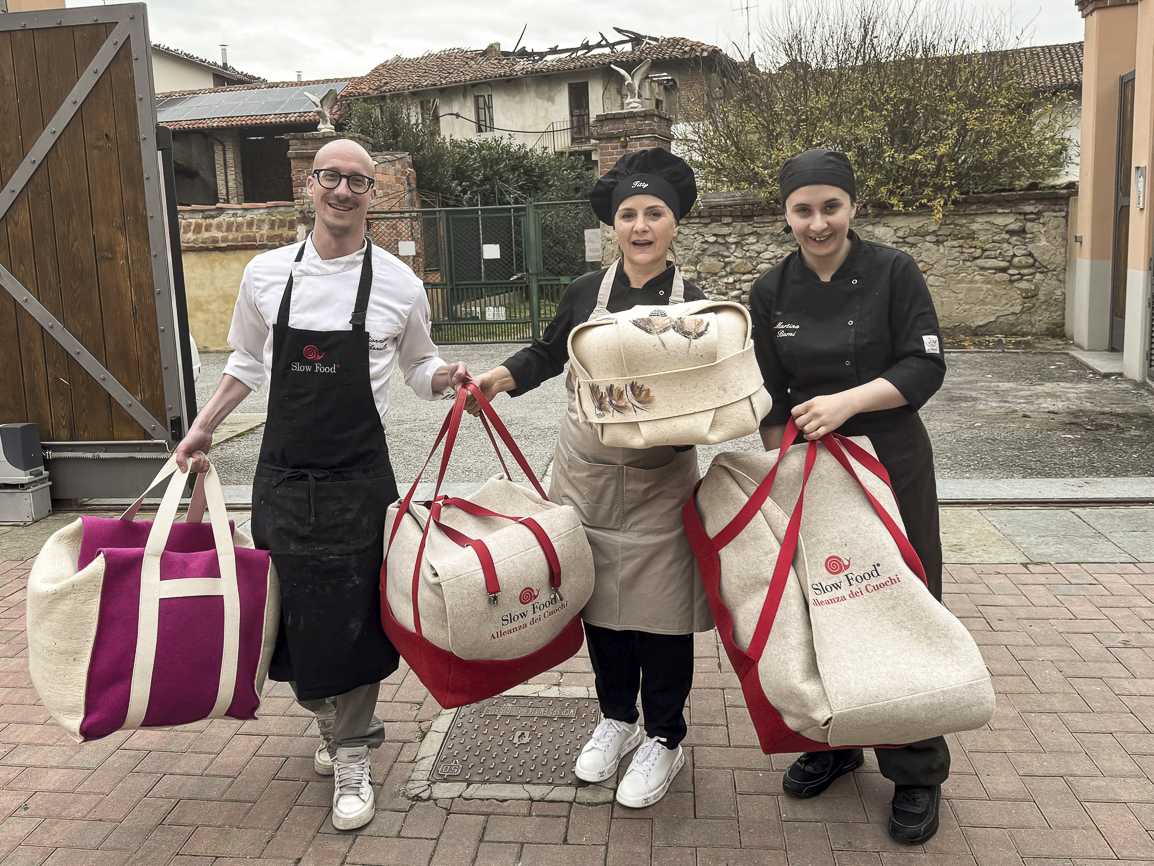
La Cooperativa ha così reinventato la cassetta di cottura dandole una nuova vita.
La cassetta, ormai da quasi sei anni, é prodotta dalla Cooperativa di Comunità Filo&Fibra di San Casciano dei Bagni, e nel tempo si è progressivamente affermata come slow cooker naturale.
La cassetta di cottura permette un risparmio a livello di consumi energetici del 65%, del 70% sul consumo di acqua, produce zero emissioni e tanto risparmio di tempo, rispetto alla cottura tradizionale.
Il cibo cotto in cassetta esalta i sapori degli ingredienti e ne conserva al meglio i valori nutritivi. I risultati delle ricerche svolte da SEAcoop STP di Torino, condotti dal ricercatore senior Benedetto Rugani (CNR-IRET Porano) e validati dalla professoressa Valentina Castellani e dell’ingegnere Guido Saccabarozzi sulla qualità del cibo cotto in cassetta hanno dato risultati sorprendenti: usando la cassetta per 10 volte al mese potrebbe durare vent’anni regalando tempo libero (l’equivalente di 400 giorni di ferie!), abbattendo le emissioni di carbonio fino 38.2 kg CO2. Se 1 milione di persone usasse la cassetta si eviterebbe l’emissione di 38.178 tonnellate di CO2. In termini di risorsa idrica con 120 pasti all’anno si otterrebbe un risparmio fino al 70% per la preparazione di ogni piatto, se 1 milione di persone usasse la cassetta di cottura l’impronta idrica evitata sarebbe pari a circa 362,578 metri cubi.
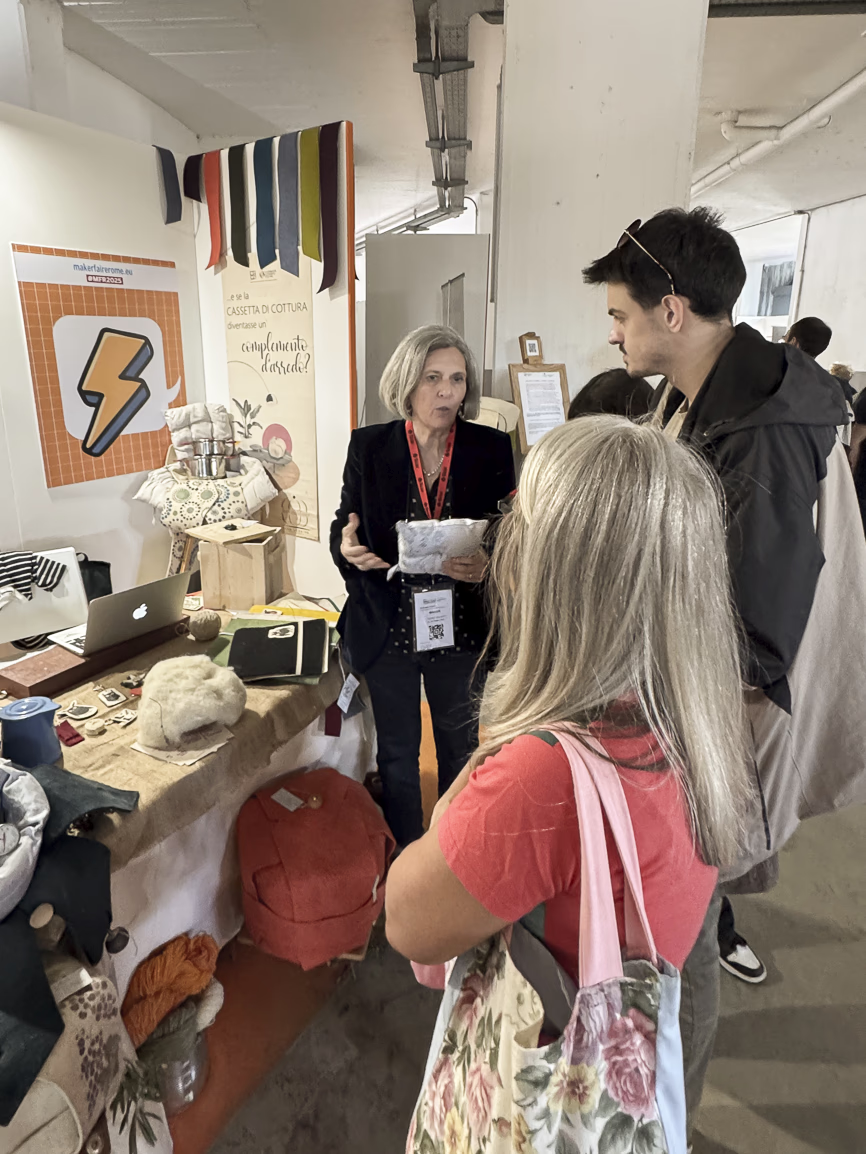
Anche alla luce di quanto emerso nei diversi studi scientifici dedicati alla cassetta di cottura, anche gli chef hanno iniziato ad interessarsi al cibo cotto in cassetta, prima fra tutti Tiziana Tacchi, dei Cuochi dell’Alleanza Slow Food e Ostessa d’Italia Slow Food 2023 titolare dell’Osteria di Chiusi Chianciano “Il Grillo è buon cantore” che ha fatto della cottura in cassetta il suo cavallo di battaglia. Oggi Tiziana Tacchi forma chef che si stanno avvicinando sempre più numerosi a questo antico ma innovativo metodo di cottura. Già 5 Chef dell’Alleanza Toscana SlowFood cucinano regolarmente in cassetta.
Nel 2022 nasce la Comunità Slow Food della Cassetta di Cottura di San Casciano dei Bagni, questo slow cooker infatti possiede le tre qualità che Slow Food considera fondamentali: buono, pulito e giusto.
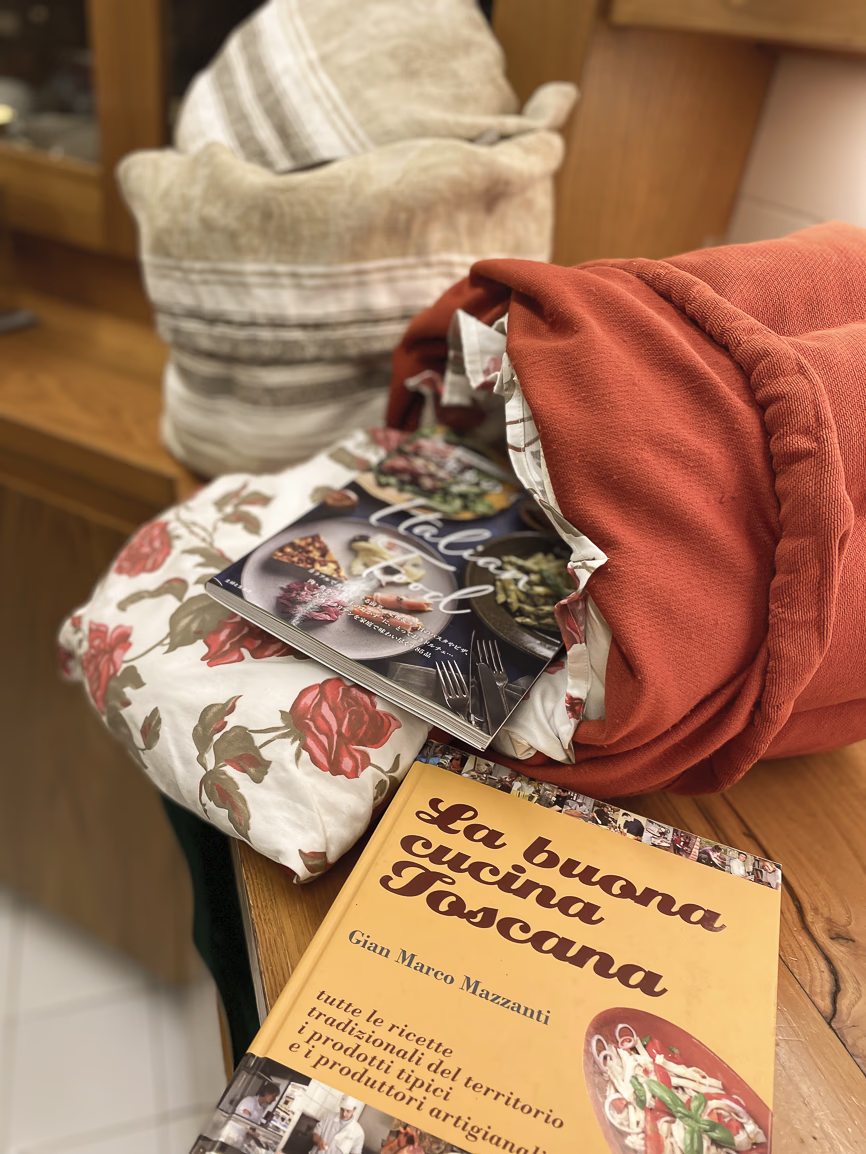
La Comunità della Cassetta di Cottura Slow Food ha origine da un desiderio profondo: trasformare il nostro modo di cucinare in un atto d’amore verso il pianeta.
Siamo un gruppo di persone unite dalla passione per la tradizione culinaria, reinterpretata in chiave moderna e sostenibile. Ciò che ci rende unici è l’impegno nel preservare un’arte antica, quella della cassetta di cottura, capace di rallentare i ritmi frenetici della vita quotidiana, riportando in tavola sapori autentici e rispettosi dell’ambiente risparmiando acqua, energia ed emissioni. Valorizziamo i piccoli produttori e i tesori del territorio, credendo fermamente nel potere di un’alimentazione consapevole e responsabile.
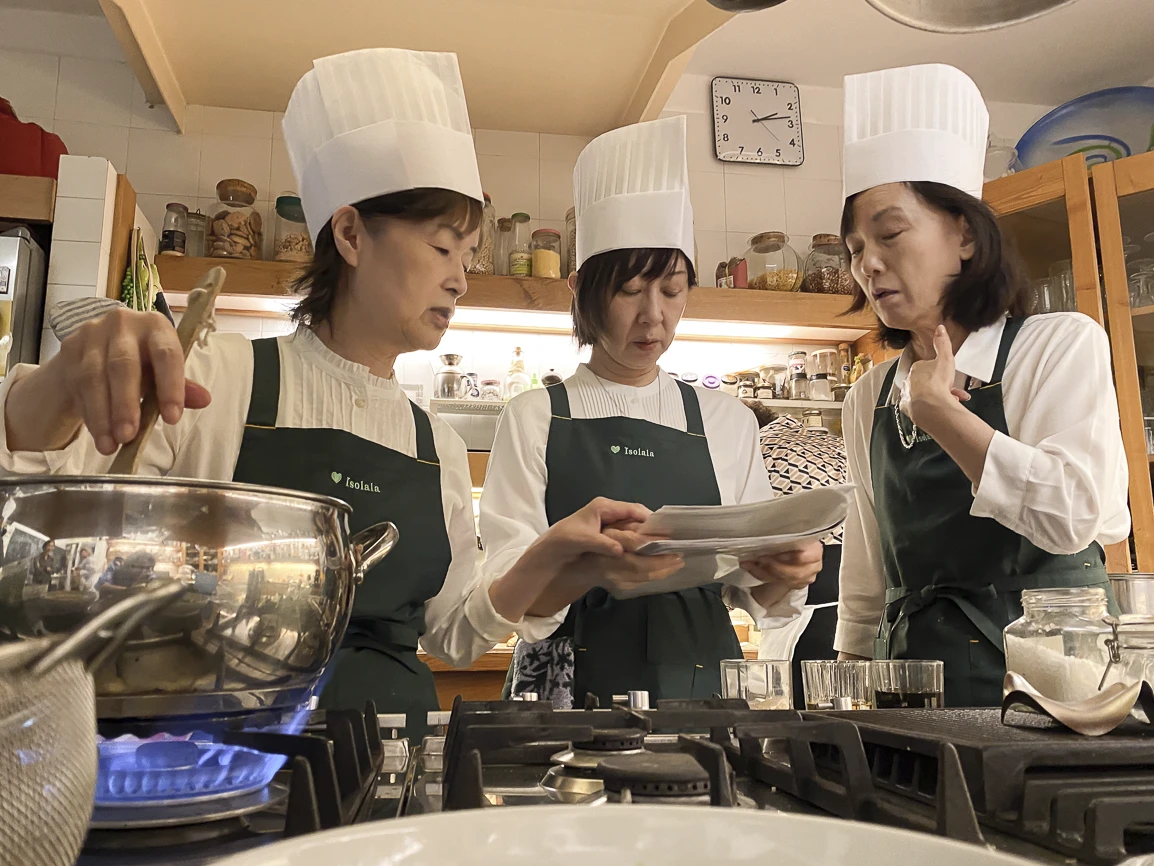
La Comunità della Cassetta di Cottura Slow Food è un luogo d’incontro, di scambio e di crescita, dove condividiamo la passione per il cibo buono, pulito e giusto.
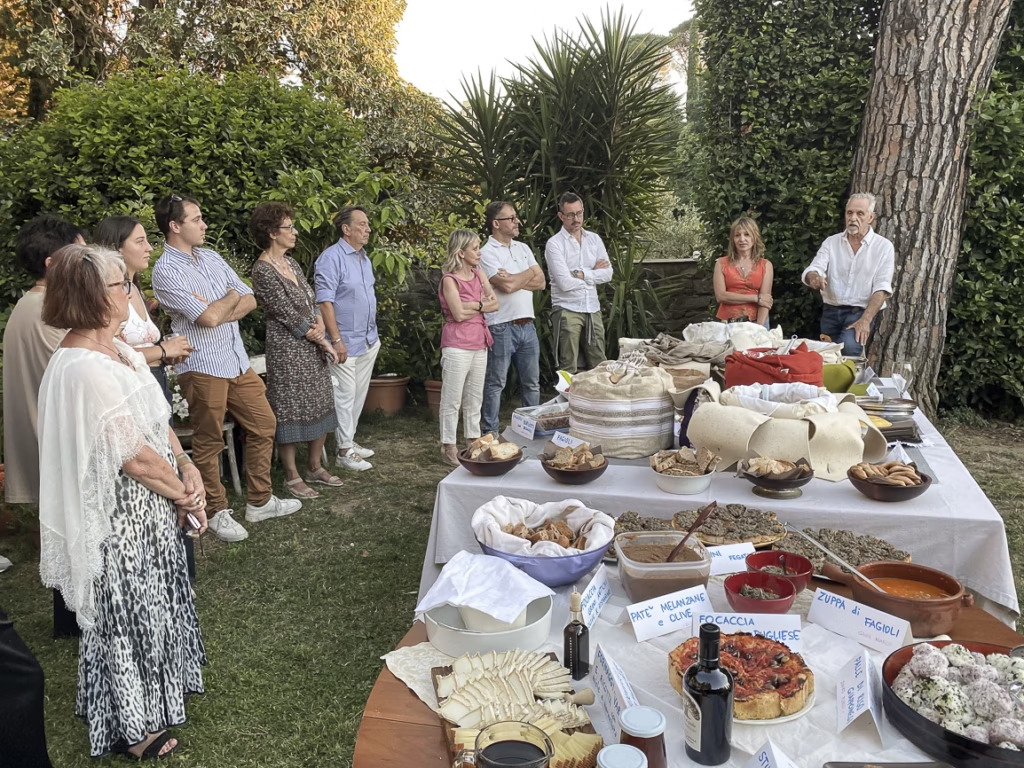
Partecipiamo ai Mercati della Terra per sostenere i produttori locali, offriamo Laboratori del Gusto per svelare i segreti della cassetta di cottura e promuoviamo eventi a tema per coinvolgere grandi e piccini in un’esperienza sensoriale e culturale unica.
La Cooperativa di Comunità Filo&Fibra e la Comunità Slow Food della Cassetta di Cottura di San Casciano Bagni portano avanti all’unisono obiettivi condivisi, nella missione comune di sensibilizzare le nuove generazioni sull’importanza di un’alimentazione consapevole, educando al rispetto per la terra e per le tradizioni culinarie in tutto il territorio nazionale… anche oltre.