Grenache, garnacha, alicante, cannonau, tai rosso, gamay del Trasimeno, all names for a variety present around the world, widespread and known with as many as 22 clones. Often, there is a persistent search for paternity, the cradle of a grape variety, as if to assign merit. In reality, grenache is a wine for everyone, a wine of the land that created it and of which it then embodies the soul. And if we want to talk about origins, recent archaeological excavations in Sardinia seem to have uncovered evidence predating the presumed Spanish origin.
It doesn't it matter. Its surprising adaptability, which excels in the Mediterranean regions, showcases its resilience, and longevity make it unexpected; with about 190,000 hectares of vineyards, the seventh most cultivated wine in the world, the third most cultivated in Europe, it is planted predominantly in the areas of France, Spain, and Italy. This is highlighted when Grenaches du Monde was established in 2013, an annual international competition open to all wines made primarily with Grenache, and has been itinerant since 2016.
In 2021, it will stop in Ascoli Piceno. And why? Why Ascoli, in the Marche region?
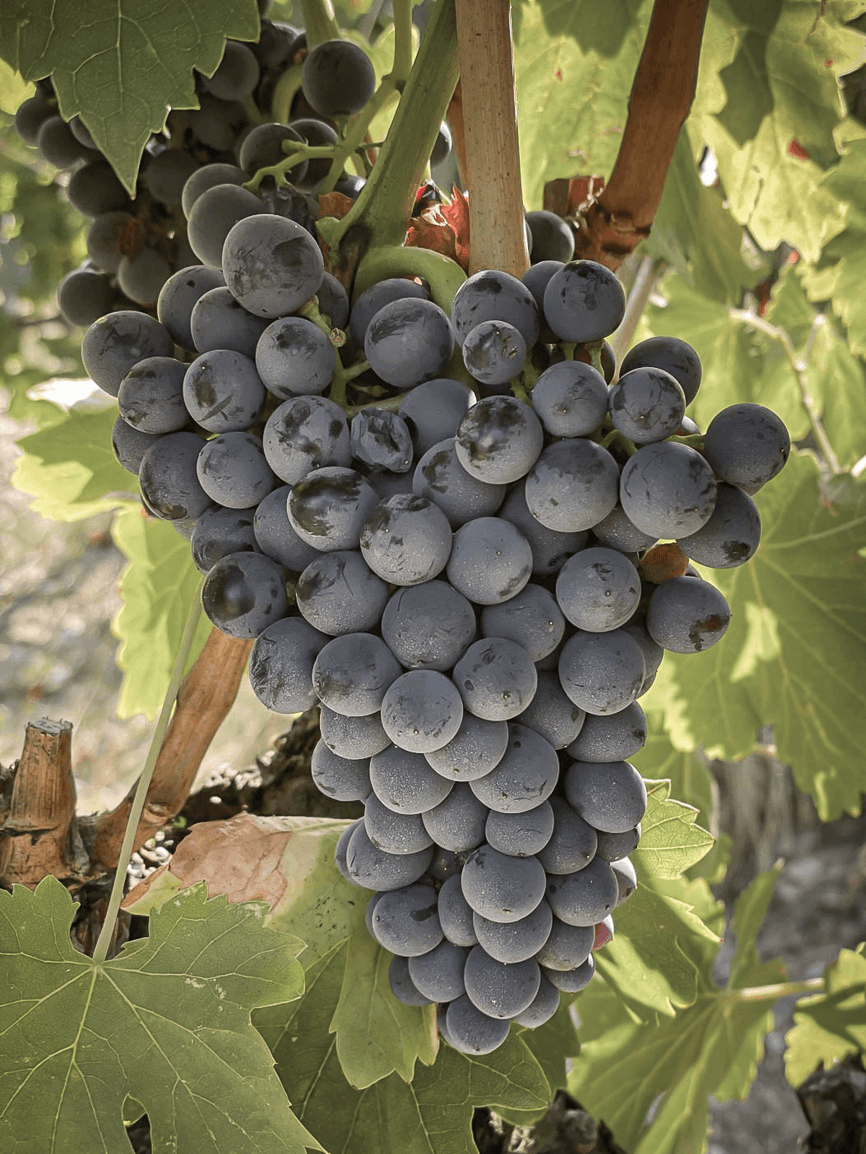
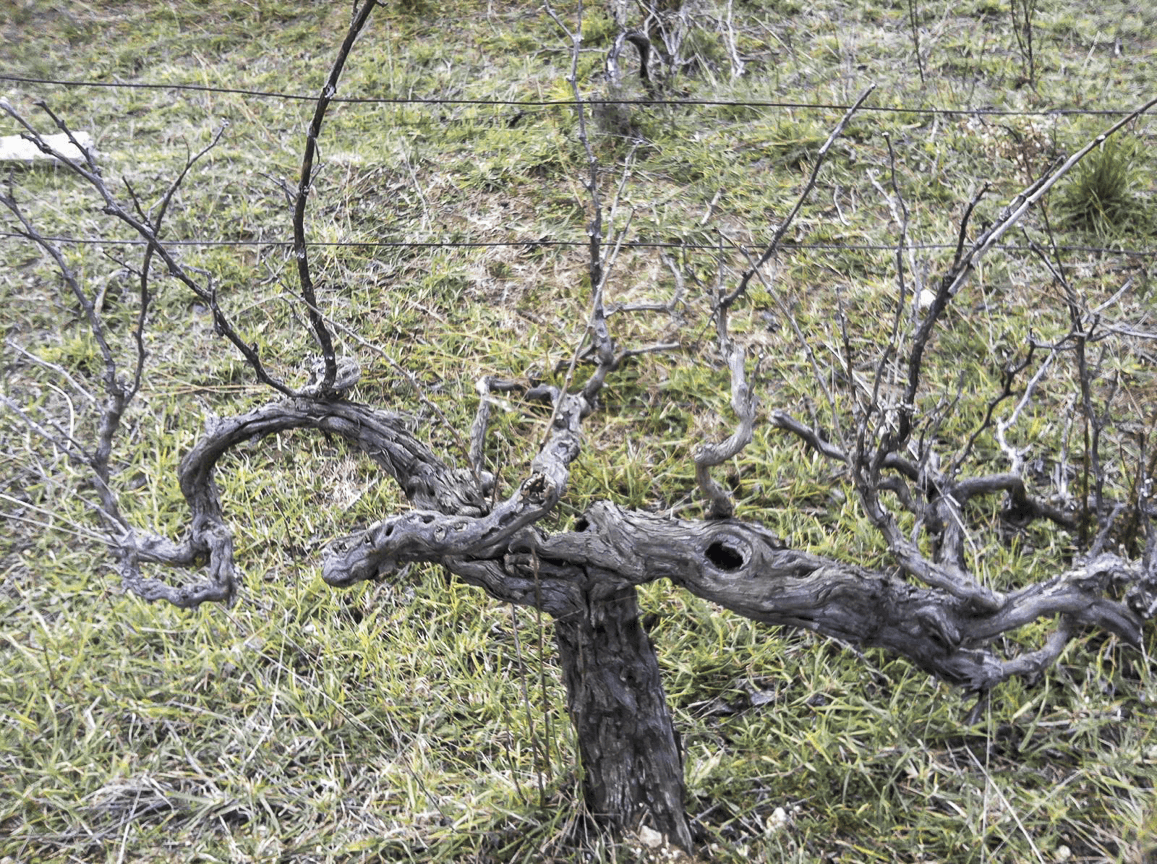
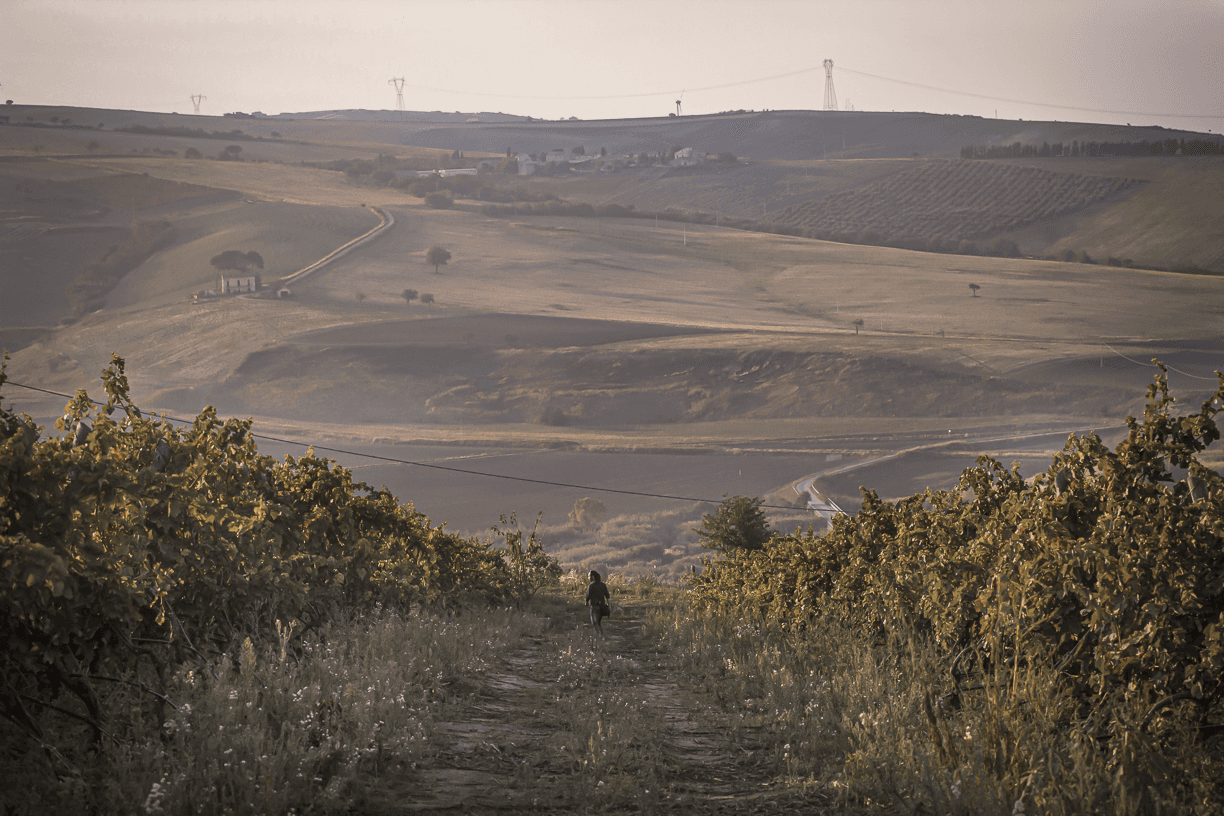
Because this is the heart of the region where the main idea arose from the discovery of an ancient grape variety, here called "bordò", between Ripatransone and Cupra Marittima, which led to the first bottle produced in 2000 by the winemaker Casolanetti who produced the Kupra, commercially available since 2006. The first bottle was produced from an old ungrafted vineyard. The name "bordò" does not have a certain origin, and was certainly not inspired by Bordeaux, the existence of which the farmers were unaware. It is hypothesized that its color generated a spontaneous association. A historic grape variety present for centuries in the Piceno area. A biotype of grenache, which in the past had never been bottled and which our farmers drank in bulk. A resistant, adaptable, long-lived grape variety. It performs best with short pruning and low yield, in dry/arid climates, it has few anthocyanins and coloring matter, moderate acidity, and delicate tannins.
Because here is the heart of the territory where the main idea arose from the discovery of an ancient grape variety, here called "bordò", between Ripatransone and Cupra Marittima, which led to the first bottle produced in 2000 by the winemaker Casolanetti with the Kupra, commercially available since 2006. The first bottle was produced from an old ungrafted vineyard. The name "bordò" does not have a certain origin, and was certainly not inspired by Bordeaux, of which the farmers were unaware. It is hypothesized that its color generates a spontaneous association. A historic grape variety in the shadows, but present for centuries in the Piceno area. A biotype of grenache, which in the past had never been bottled and which our farmers drank in bulk. A resistant, adaptable, long-lived grape variety. It performs best with short pruning and low yield, in dry/arid climates, has few anthocyanins and coloring matter, moderate acidity, and delicate tannins.
The result is a wine that reflects the character of the Marche region: reserved at first, shy, which gradually opens up its intimacy, revealing complexity, strength, elegance, and soul.
It results in a wine that reflects the character of the Marche region: reserved at first, shy, which gradually opens up and then lets you into its intimacy, revealing complexity, strength, elegance, ...soul.
There is a world, that of art or poetry, in which the artist creates, takes in and transforms.
Here nature lends us a hand indeed, asking us to put in our own effort to transform its gifts into art, shaping them. It is an offer that we cannot refuse… and some skilled and courageous "wine artists" have accepted the responsibility and the challenge. We are not talking about big brands, or multinational wine companies, rather about businesses with a few dozen hectares of vineyards, whose strength lies in passion and craftsmanship.
There is a world, that of art or poetry, in which the artist creates, takes in and transforms.
Here nature lends us a hand, indeed, it asks us to put in our own effort to transform its gifts into art, shaping them. It is an offer that we cannot refuse… and some skilled and courageous "wine artists" have accepted the responsibility and the challenge. We are not talking about big brands, about multinational wine companies, but about businesses with a few dozen hectares of vineyards, whose strength lies in passion and craftsmanship.
Nine producers are competing to enhance a new wine, created with determination, cellar after cellar.
A clarification must be made: in many stories there is a before and there is an after. And here the company Oasi degli Angeli, a pioneer in its experimentation, has marked the line between what did not exist and what is now consolidated and acclaimed, giving rise to that virtuous process aimed at improvement that we are witnessing.
A clarification must be made: in many stories there is a before and there is an after. And here the company Oasi degli Angeli, as the pioneer, in its experimentation has marked the line between what did not exist and what is now consolidated and acclaimed, giving rise to that virtuous process aimed at improvement that we are witnessing.
The exceptional nature of the thing lies in the wine, yes, but even more in where the phenomenon has originated; in a region, the Marche, entrepreneurial and individualistic but certainly not cooperative. But times change, and enlightened minds emerge. Here now, in the world of wine, with exponential growth in the region in recent decades, a common good is emerging on the horizon. A new entrepreneurial capability is born, linked by a common goal, to discuss a strength arising built from teamwork around an ambitious, excellent project.
The exceptional nature of the thing lies in the wine, yes, but even more in where the phenomenon has taken place, in a region, the Marche, entrepreneurial and certainly not cooperative. But times change, and bright minds emerge. And here too, in the world of wine, which has already grown exponentially in the region in recent decades, a common good is emerging on the horizon. A new entrepreneurial capability is born, linked to a common embrace, to dialogue, to a strength arising from teamwork around an ambitious, excellent project.
This desire to enhance the value of “Grenache del Piceno” has already earned its place in the ranks thanks to its quality. An individual wins the battle, but the group wins the war. Just as illustrious examples have demonstrated, we are united despite our uniqueness and are stronger together. Here, there is no war to fight, but in a market that is increasingly oriented towards quality, and evolution, professionalism and winemaking techniques it is now widely expressed, we need to make ourselves heard, not by shouting, but with a powerful and persuasive voice.
This desire to enhance and have a space that, in truth, the “Grenache del Piceno” has already earned for its quality. A single one wins the battle, but the group wins the war, and just as illustrious examples have shown, united in our uniqueness we are stronger. Here, there is no war to fight, but in a market that is increasingly oriented towards quality, and that, through evolution, seriousness, and winemaking techniques is now expressed by most, we need to make ourselves heard, not by shouting, but with a powerful and persuasive voice.
The magic, and charm of this wine is that, separately, each has become the jewel of the winery that brought it to life and nurtured it, demonstrating its potential every time, consistently receiving exceptional recognition and appreciation.
The magic, the charm of this wine is that, separately, each has become the jewel of the winery that brought it to life and nurtured it, demonstrating its potential every time, consistently receiving exceptional recognition and appreciation.
Character ability and uniqueness, are the variables that we know that differentiate the wine: soil, exposure, altitude, and production technique.
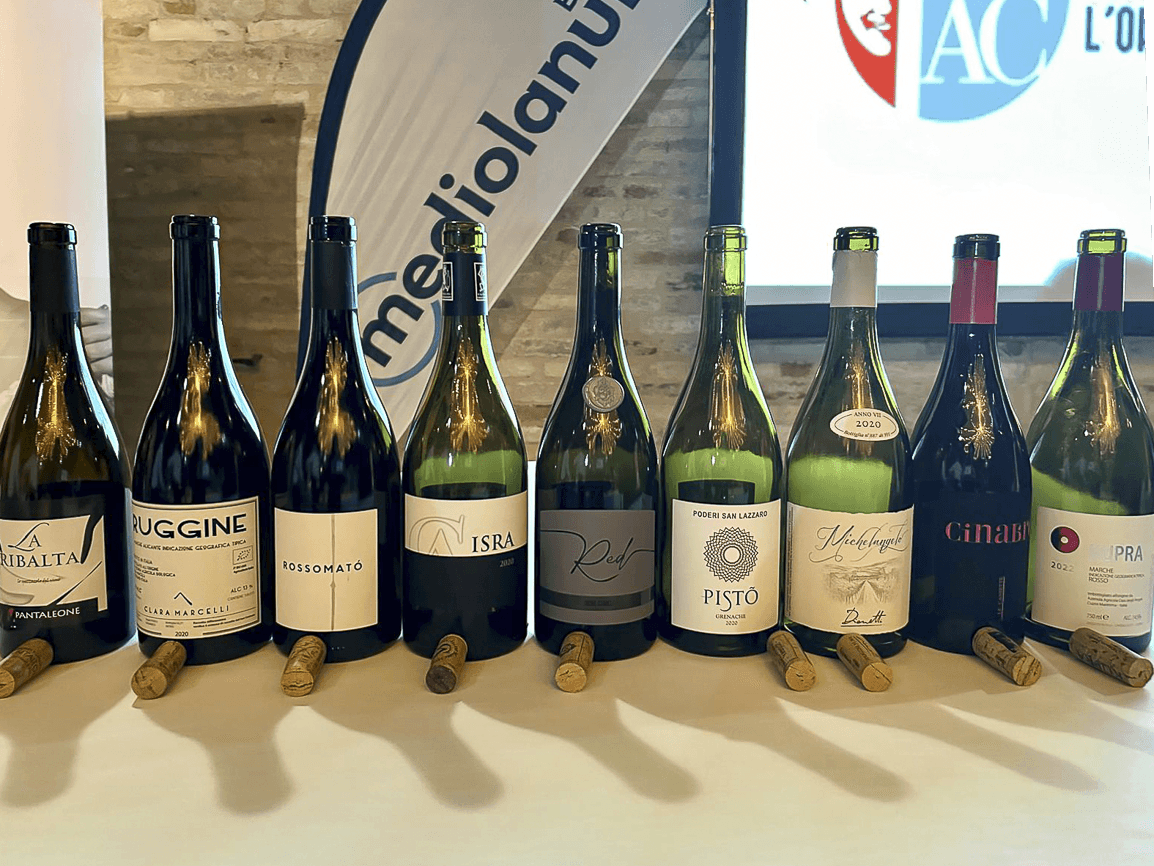
The 9 mentioned wineries and their champions are: Oasi degli Angeli with Kupra, Le Caniette with Cinabro, Walter Mattoni with Rossomatò, Clara Marcelli with Ruggine, Poderi San Lazzaro with Pistò, Pantaleone with La Ribalta, Dianetti with Michelangelo, Maria Letizia Allevi with Isra, Cameli Irene with Red. All IGT.
The greatness of the project is that this grapevine is a common good, a heritage available to everyone and anyone who wants to take the challenge. There is no protectionism, consistent with what was expressed earlier, "the more of us, the stronger we are." Emanuele di Clara Marcelli used to tell us that others want to jump on the moving train, even asking for cuttings: no problem, rather a motivation to do better and create an identity.
And the greatness of the project is that this grapevine is a common good, a heritage available to everyone, to anyone who wants to take the challenge. There is no protectionism, consistent with what was expressed earlier, "the more we are, the stronger we are." Emanuele di Clara Marcelli used to tell us that others want to jump on the moving train, even asking for cuttings: no problem, rather a motivation to do better and create an identity.
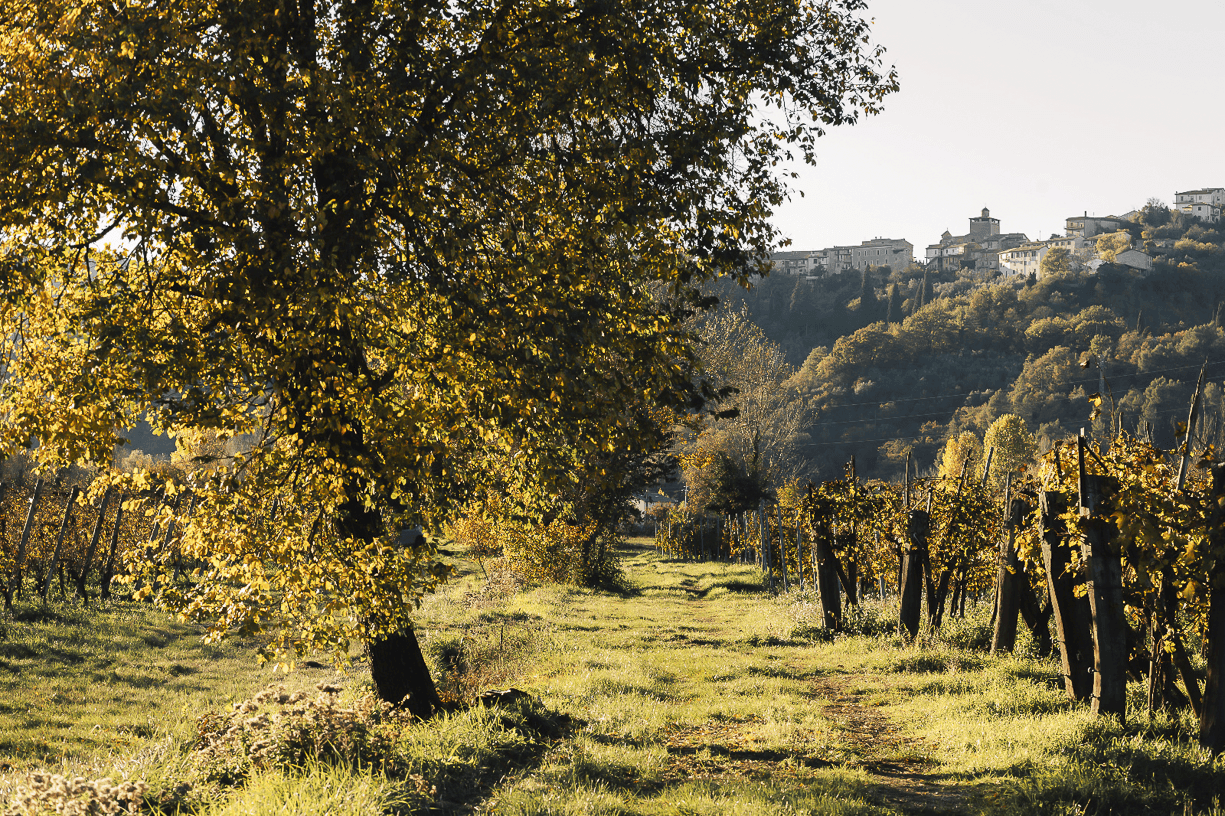
Among the 9 wineries mentioned, my journey took me to Castorano, nestled between the Appennines and the Adriatic coast, where, like in a treasure chest, hidden far from view, lies the gem of the Clara Marcelli winery.
Among the 9 wineries mentioned, my journey took me to Castorano, nestled between the Appennines and the Adriatic coast, where, like in a treasure chest, hidden from view, lies a gem like the Clara Marcelli winery.
It seems that fate wanted to preserve it from the curiosity of too many who are interested, endowing it with the coveted charm of discovery. The two brothers, Daniele and Emanuele, do not limit themselves to studying, researching, comparing notes, or traveling around the world to see how others work: they question their land, preserve its tradition but also interpret its potential, which translates into increasingly better and always new products with love and respect.
But passion is not enough! And so in a historically organic winery the care and labor on the property make a difference, through daily control and nurturing, carried out humbly and proudly towards their wines. And so, consistent with the peasant history of the territory, sharecropping, and the redemption of the lands cultivated for a lifetime, the family pride continues the grandfather's tradition.
It seems that Fate wanted to preserve her from the curiosity of the many in favor of the interest of the few, providing her with the coveted charm of discovery. The two brothers, Daniele and Emanuele, do not limit themselves to studying, researching, comparing, and wandering around to see how others work in the world: they question their land, preserve the tradition but interpret its potential, which they translate into increasingly better and always new products with love and respect.
But passion is not enough! And so the care and work in the vineyard and winery make a difference, in a historically organic company, through daily control and nurturing, carried out humbly and proudly towards their wines. And so, consistent with the peasant history of the territory, sharecropping, and the redemption of the lands cultivated for a lifetime, the family pride continues the grandfather's tradition.
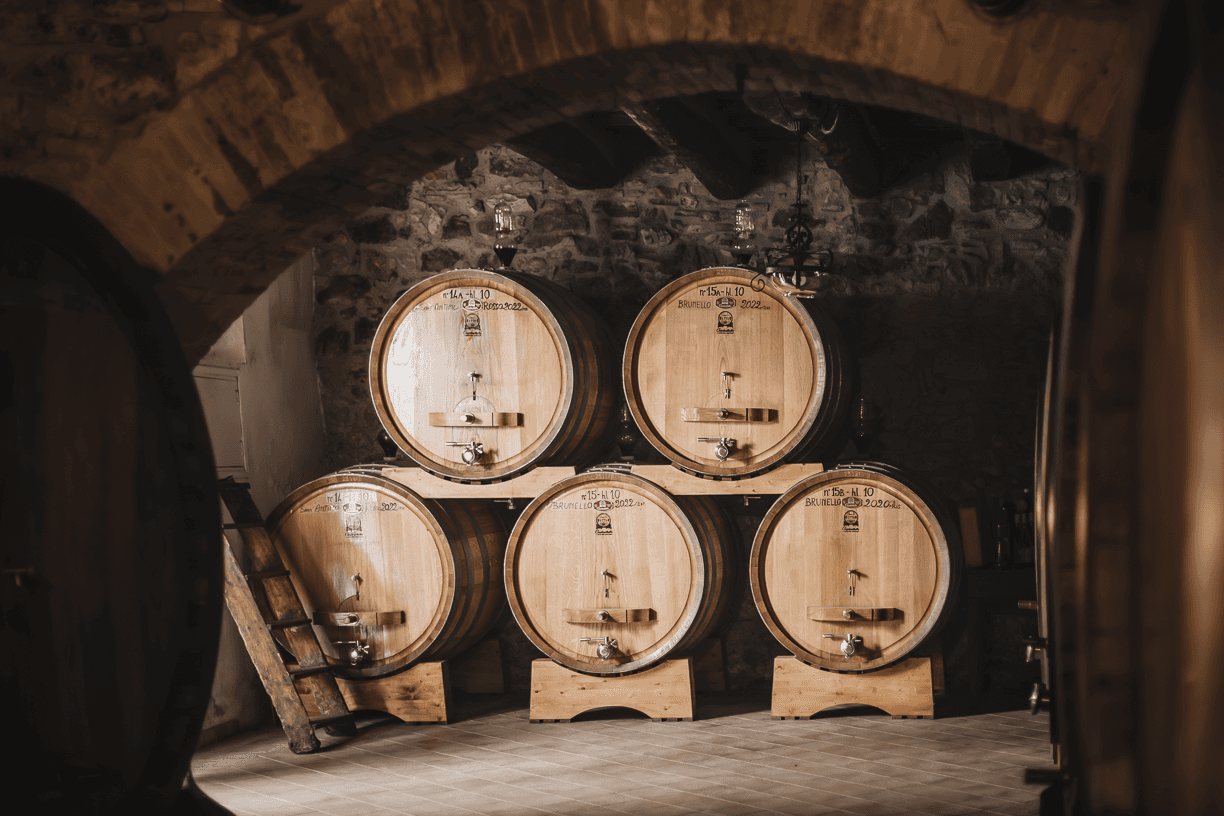
Rust - Marche Alicante IGT, a courageous, powerful but discreet, elegant, identity-driven, authentic, experiential, contemporary wine. An outclass, far from the crowd. It ages in French barriques for 2 years and 3 years in bottle. It comes to market after 5 years. First release, vintage 2011.
All wines are like children, as every respected winemaker will tell you. And the love for a child goes through the environment in which you raise him, what you feed him, the care: strictly organic farming, indigenous yeasts, craftsmanship, manual harvest, and bunch selection.
There are companies visited for their architectures, extensions, and locations. If it is true that wine tourists want to be amazed (even though there are few surprises these days, because each company presents itself on increasingly beautiful sites), the wonder must come from the tasting and even more from the soul of the company. Here the experience reaches its peak: it is convivial, narrated, intimate, almost confidential.
Between the house cat sneaking among us, the unexpected tourist for whom an extra chair is found, the laid table, the narrative enters the glass.
In the many glasses, I should say, because it is impossible to avoid tasting the various "works" that lead to the Rust. And now… I have just uncorked the 2012, the vintage in production: a bit of waiting, after all, it awaits me at 8 years from the purchase, 13 from the birth. An clear garnet stroke speaks of maturity; on the nose, intense, immediately a earthy note, of underbrush, mushroom, but also pepper, iron, bay leaf, on a carpet of flowers and red fruits; finally on the palate, it opens proudly but not arrogantly, polite but determined, coherent, juicy, it confirms itself as sanguine, the ripe cherry peeks out along with a pleasantly balsamic backdrop. Freshness of a young man, a caressing tannin, and a toasted note that is never overpowering. Not explosive but growing, and long, very long, still giving a spicy finish, with hints of licorice, and more…
In the many glasses, I should say, because it is impossible to avoid tasting the various "works" that lead to the Rust. And now… I have just uncorked the 2012, the second year in production: a bit of waiting, after all, it awaits me at 8 years from the purchase, 13 from the birth. An obvious garnet brush stroke speaks of maturity; on the nose, intense, immediately a earthy note, of underbrush, mushroom, but also pepper, iron, bay leaf, on a carpet of flowers and red fruits; finally on the palate, it opens proudly but not arrogantly, polite but determined, coherent, juicy, it confirms itself as sanguine, the ripe cherry peeks out along with a pleasantly balsamic backdrop. Freshness of a young man, a caressing tannin, and a toasted note that is never overpowering. Not explosive but growing, and long, very long, still giving a spicy finish, with hints of licorice, and again…
And again, with other senses, in the glass I feel humility, sacrifices, experimentation, shared experiences, family… love.
And again, with other senses, in the chalice I feel humility, sacrifices, experimentation, experiences compared, family… love.