Naples | ITALY

An overly bureaucratic chocolate

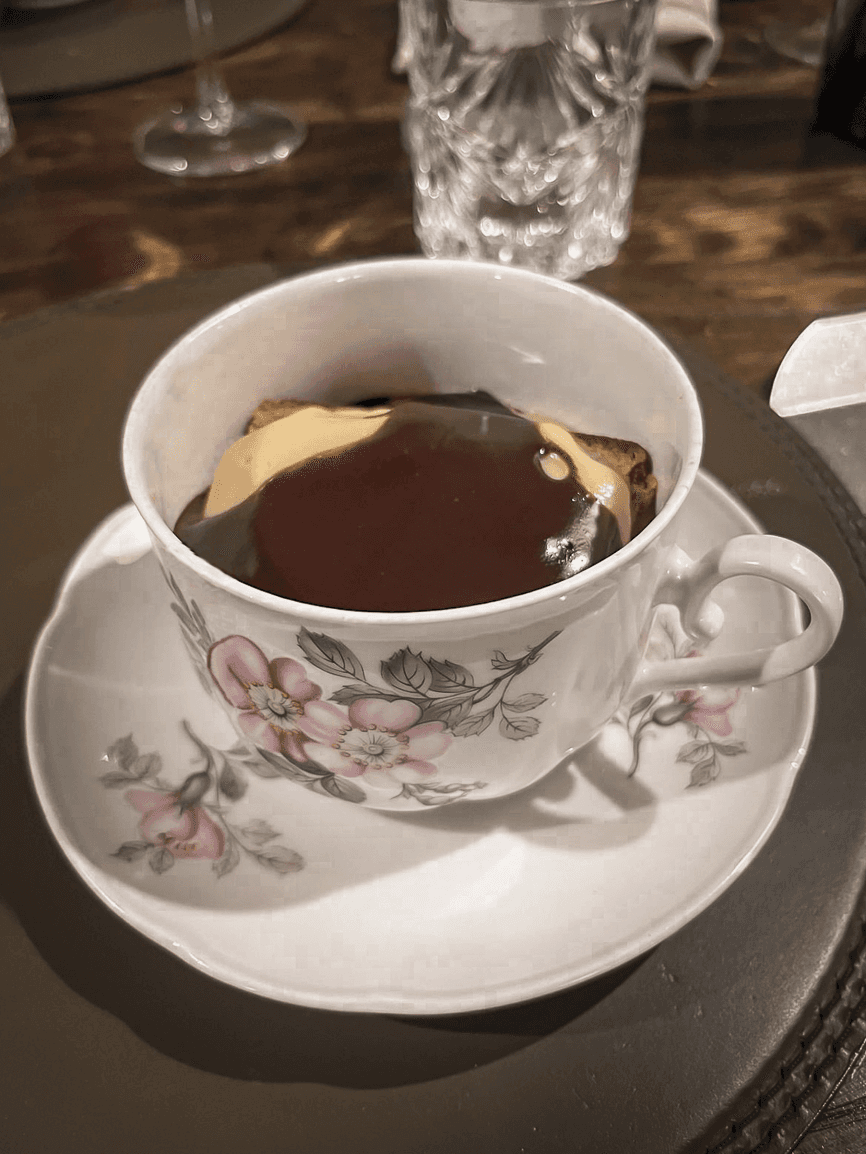
The story of the Ministeriale, is that of a typical sweet born in Naples at the beginning of the 1900s from a pastry chef's love for a dancer. It owes its name to the wandering from office to office of the Ministries of the Bourbon Royal House.

Naples | ITALY

An overly bureaucratic chocolate

History of the Ministeriale, a typical sweet born in Naples at the beginning of the 1900s from a pastry chef's love for a dancer. It owes its name to the wandering from office to office of the Ministries of the Bourbon Royal House.

Abat-jour… that spreads a blue light”…. it is on these notes that a very sweet love story begins, a courtship of other times that ties art to pastry-making.
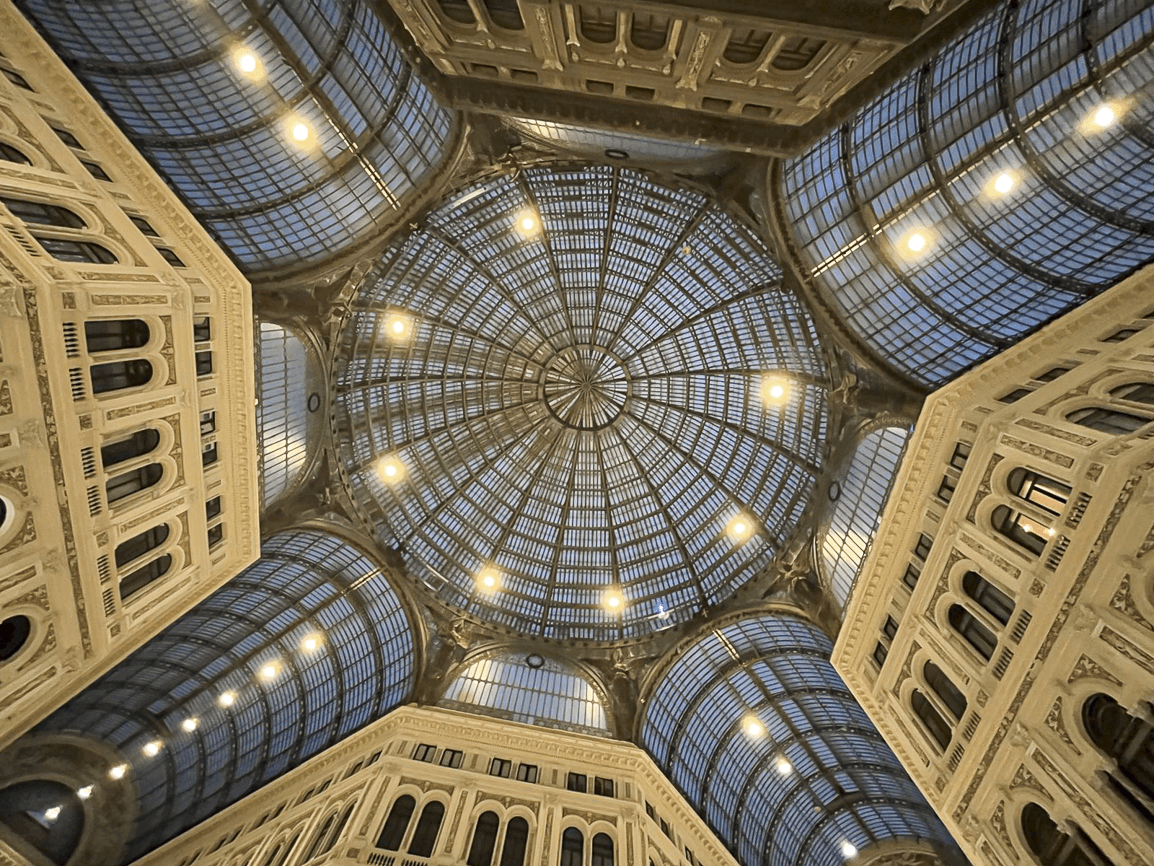
We are in the 1920s, in the basements of the Galleria di Napoli. The Salone Margherita is a symbolic place of the Neapolitan Belle Époque, a reference point for artists and intellectuals of the time. The style of this establishment is that of Parisian cafè chantant, with showgirls and singers. In Naples, however, there were the “sciantose” (French chanteuses) alluring girls who literally enchanted audiences, especially the male ones, with their songs, their “moves” and their provocative outfits. 

We are in the 1920s, in the basements of the Galleria di Napoli. The Salone Margherita is a symbol of the Neapolitan Belle Époque, a reference point for artists and intellectuals of the time. The style of the venue is that of Parisian cafè chantant, with soubrettes and singers. In Naples, however, there were the “sciantose” (French chanteuses) alluring girls who literally captivated the audience, especially the male one, with their songs, their “moves” and their provocative outfits. 

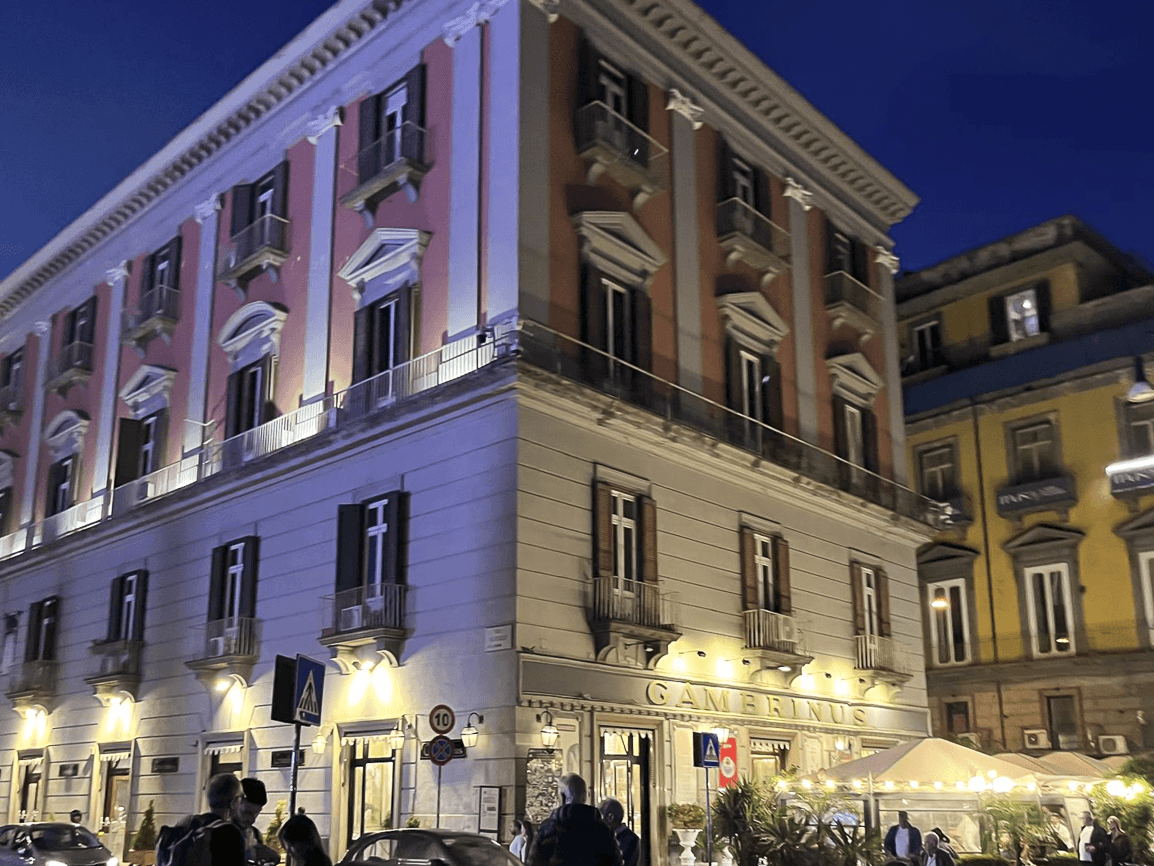
The undisputed star of these variety shows during those years was Anna Fugez. The café chantant, on the nights of her performances, was always crowded with many men, young and old, in complete adoration. Suitors crowded her dressing room to compliment her and get an invitation to the after the show.  Among them was also Francesco Scaturchio, a young pastry chef. One evening, Anna, after her performance, chose him to accompany her to the famous Bar Gambrinus. Francesco was different from the notaries, the industrialists, the judges who courted her: he did not flaunt his wealth or titles. His hands smelled of almonds, and this genuineness pleased Anna. Madly in love with the beautiful artist, Francesco invented a sweet for her, a large chocolate, very bitter on the outside and with a deliciously sweet cream inside. The delicacy was supposed to be called Anna, like his inspiring muse, but it wasn't.

The undisputed diva of the variety shows of those years was Anna Fugez. The café chantant, on the nights of her performances, was always crowded with many men, young and old, in complete adoration. Suitors crowded her dressing room to compliment her and get an invitation for after the show.  Among them was also Francesco Scaturchio, a young pastry chef. One evening, Anna, after her performance, chose him to accompany her to the famous Bar Gambrinus. Francesco was different from the notaries, the industrialists, the judges who courted her: he did not flaunt wealth or titles. His hands smelled of almonds, and this genuineness pleased Anna. Madly in love with the beautiful artist, Francesco invented a sweet for her, a large chocolate, very bitter on the outside and with a deliciously sweet cream inside. The delicacy was supposed to be called Anna, like his inspiring muse, but it was not so.

Never has a token of love had such a tortuous story.
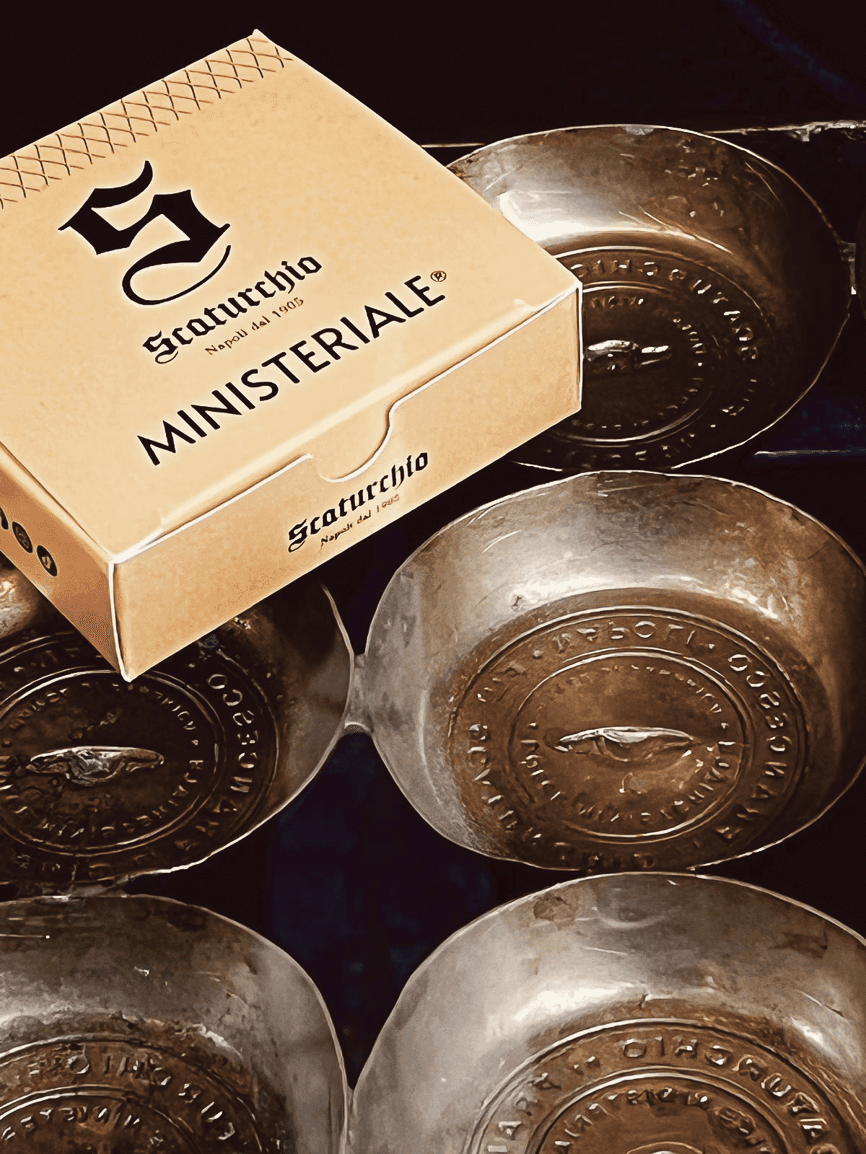
The Scaturchio company (still today an institution of Neapolitan pastry) noted the success of the dessert, and dared to present it to the Royal House in order to appeal to the Bourbon royal palate. However, the process was lengthy, and to obtain the eagerly awaited recognitions, the chocolate had to undergo inspections and permits that passed "from ministry to ministry." Hence its name: "Ministeriale."

The Scaturchio company (still today an institution of Neapolitan pastry) noted the success of the dessert and wanted to dare to present it to the Royal House in order to appeal to the Bourbon royal palate. However, the process was lengthy, and to obtain the eagerly awaited recognitions, the chocolate had to undergo inspections and permissions that passed "from ministry to ministry." Hence its name: "Ministeriale."

The dessert is deeply connected to the history of Neapolitan pastry, having transcended time and bureaucracy to be enjoyed alongside a coffee at the tables of Scaturchio, but also as a temptation or travel gift for gourmet tourists. The link between theater and food, in particular between artists and sweets, has distant, symbolic, and social roots.

The dessert is deeply connected to the history of Neapolitan pastry, having transcended time and bureaucracy to be enjoyed alongside a coffee at the tables of Scaturchio, but also as a temptation or travel gift for greedy tourists. The link between theater and food, in particular between artists and sweets, has distant, symbolic, and social roots.

Since ancient times (from the Greek Dionysian rites from which theater originates), performances have always been linked to the celebration and sharing of food. After the shows, the audience and artists would eat together, offering sweets, wine, and honey as symbols of joy and good fortune. Desserts, in particular, were the food that represented gratitude and joy for the performance. It was a loving gesture, as in the case of Anna and Francesco, but also an artistic homage, a way to say: thank you for the beauty you have given us.

Since ancient times (from the Greek Dionysian rites from which theater originates), the performance has always been linked to the celebration and sharing of food. After the shows, the audience and artists would eat together, offering sweets, wine, and honey as symbols of joy and good fortune. Sweets, in particular, were the food that represented gratitude and joy for the performance seen. It was a loving gesture, as in the case of Anna and Francesco, but also an artistic homage, a way to say: thank you for the beauty you have given us.

Many desserts are born just like that: from a blend of art, beauty, and also seduction, both artistic and romantic.
The “Sarah Bernhardt” in late 1800s Paris are meringue treats, buttercream, and chocolate, which originated as a tribute from a Danish baker to the diva with the unmatched voice, the voix d’or. These treats, renamed in Iceland as Sörur, are the most beloved Christmas cookies by Icelanders. But the “Pavlova Cake” was also invented in the 1920s between Australia and New Zealand in honor of the Russian ballerina. A light meringue, topped with cream and fruit, it pays homage to the lightness and grace of her movements. 

The “Sarah Bernhardt” in late 1800s Paris are meringue treats, buttercream, and chocolate, which originated as a tribute from a Danish baker to the diva with the unmatched voice, the voix d’or. These treats, renamed in Iceland as Sörur, are the most beloved Christmas cookies by Icelanders. But the “Pavlova Cake” was also invented in the 1920s between Australia and New Zealand in honor of the Russian ballerina. A light meringue, topped with cream and fruit, ready to pay homage to the lightness and grace of her movements. 

It seems that our very own zuppa inglese is also linked to the theatrical artistic world. Some claim, among various hypotheses, that this cake spread thanks to British theater companies that toured Italy in the 19th century. English actors and technicians, to sweeten their long tours, had the habit of preparing sweets similar to trifle. Italian pastry chefs, intrigued, made a more colorful and liquor-laden "local" version, paying homage to the theater across the channel. 

This indissoluble link between food and art continues to this day. In the care given to artists who find small comforts in the dressing rooms to support their artistic performances. Honey, lemon, candies, but also fresh or dried fruit. In the gifts from spectators, but also in some superstitious gestures that artists perform. In the pleasure of a late-night gathering after the curtain falls.