Among the peaks of Pollino, where the land demands patience, knowledge, and respect for the rhythms of nature, stories endure that speak of resilience and community. They are stories made of preserved seeds, of hands that work the land, and of traditions that stand the test of time. In this human and agricultural landscape, biodiversity is not an abstract concept, but rather the result of daily practices: local varieties selected over the years, crops adapted to the mountains, recipes and knowledge passed down from generation to generation.
Among the peaks of Pollino, where the land requires patience, knowledge, and respect for the rhythms of nature, stories endure that speak of resilience and community. They are stories made of preserved seeds, of hands that work the land, and of traditions that stand the test of time. In this human and agricultural landscape, biodiversity is not an abstract concept, but the result of daily practices: local varieties selected over the years, crops adapted to the mountains, recipes and knowledge passed down from generation to generation.
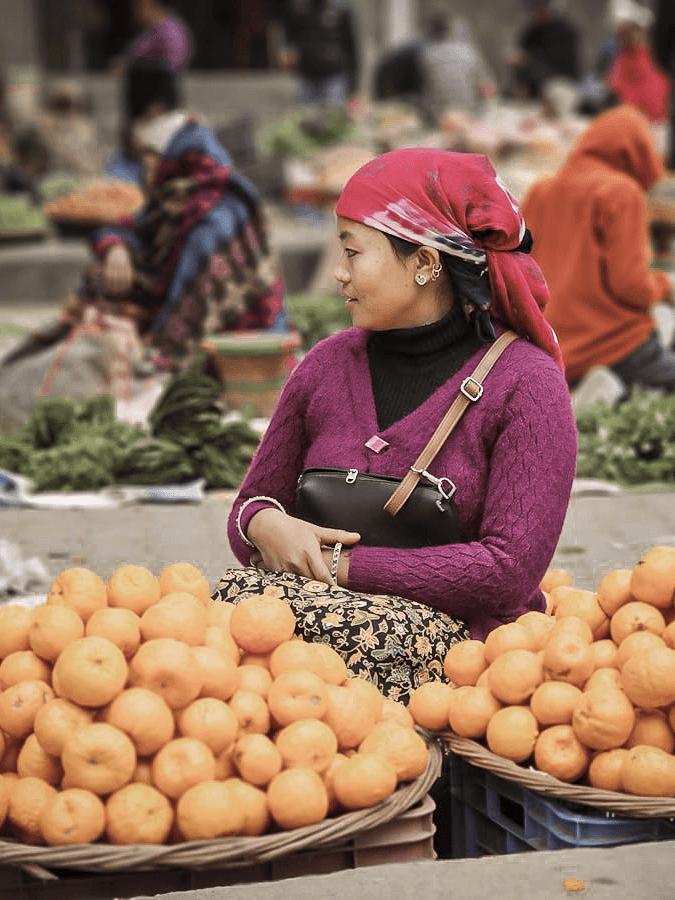
Behind this heritage, there are mainly the people who have preserved it. And in the mountainous regions, very often these people are women.
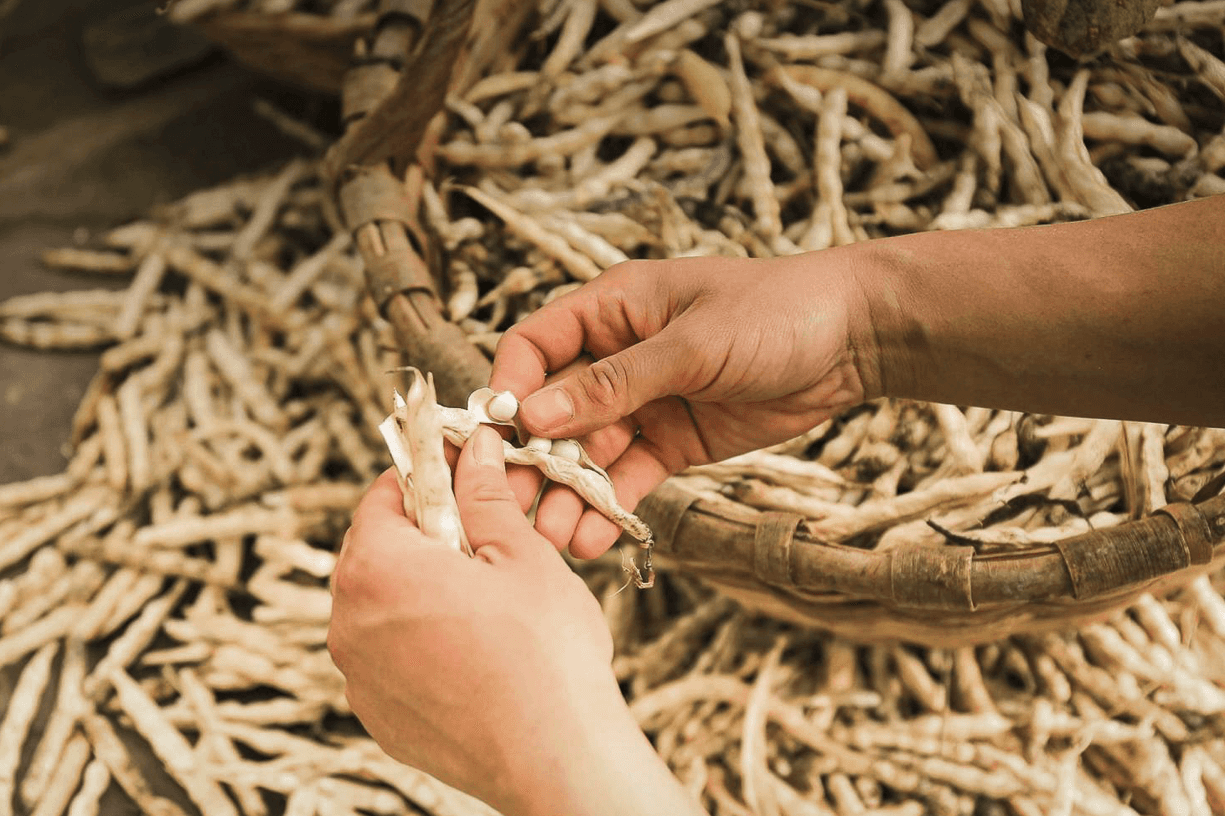
For generations, the women of Pollino have played a crucial role in the preservation of seeds, the transformation of food, and the transmission of knowledge related to the land. In the fields, kitchens, and communities, they have safeguarded a heritage of knowledge that today constitutes the very foundation of local agricultural biodiversity. A work that is often silent, but essential, has allowed traditional varieties, agricultural techniques, and recipes to reach us today. Alongside the crops that characterize these lands, the territory preserves numerous expressions of its gastronomic tradition. A heritage that tells the story of a way of living on the land based on ingenuity, self-sufficiency, and the ability to adapt to mountainous terrain.
For generations, the women of Pollino have played a crucial role in the preservation of seeds, the transformation of food, and the transmission of knowledge related to the land. In the fields, kitchens, and communities, they have safeguarded a heritage of knowledge that today constitutes the very foundation of local agricultural biodiversity. A work that is often silent, but essential, which has allowed traditional varieties, agricultural techniques, and recipes to reach us. Alongside the crops that characterize these lands, the territory preserves numerous expressions of its gastronomic tradition. A heritage that tells the story of a way of living on the land based on ingenuity, self-sufficiency, and the ability to adapt to mountainous territories.
Today, this agricultural and cultural heritage is entering a new phase of renewal that comes right from the very heart of rural communities.
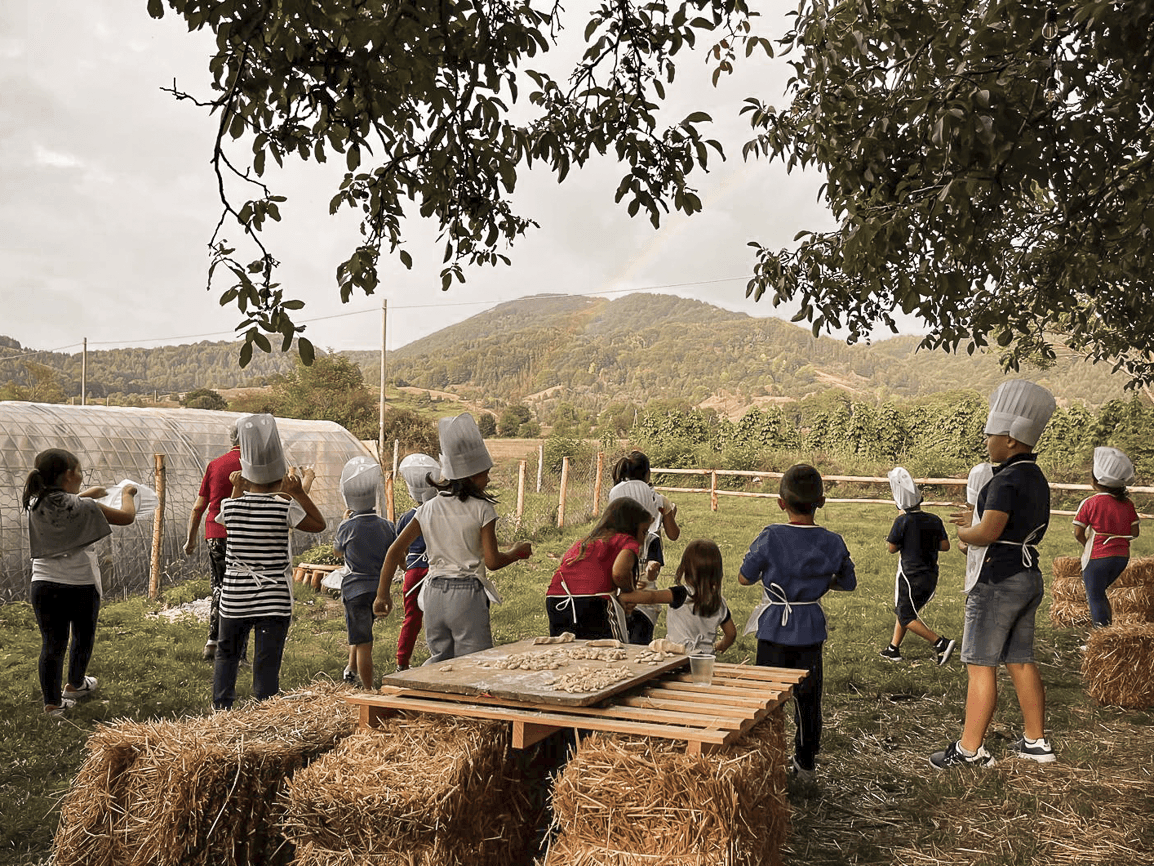
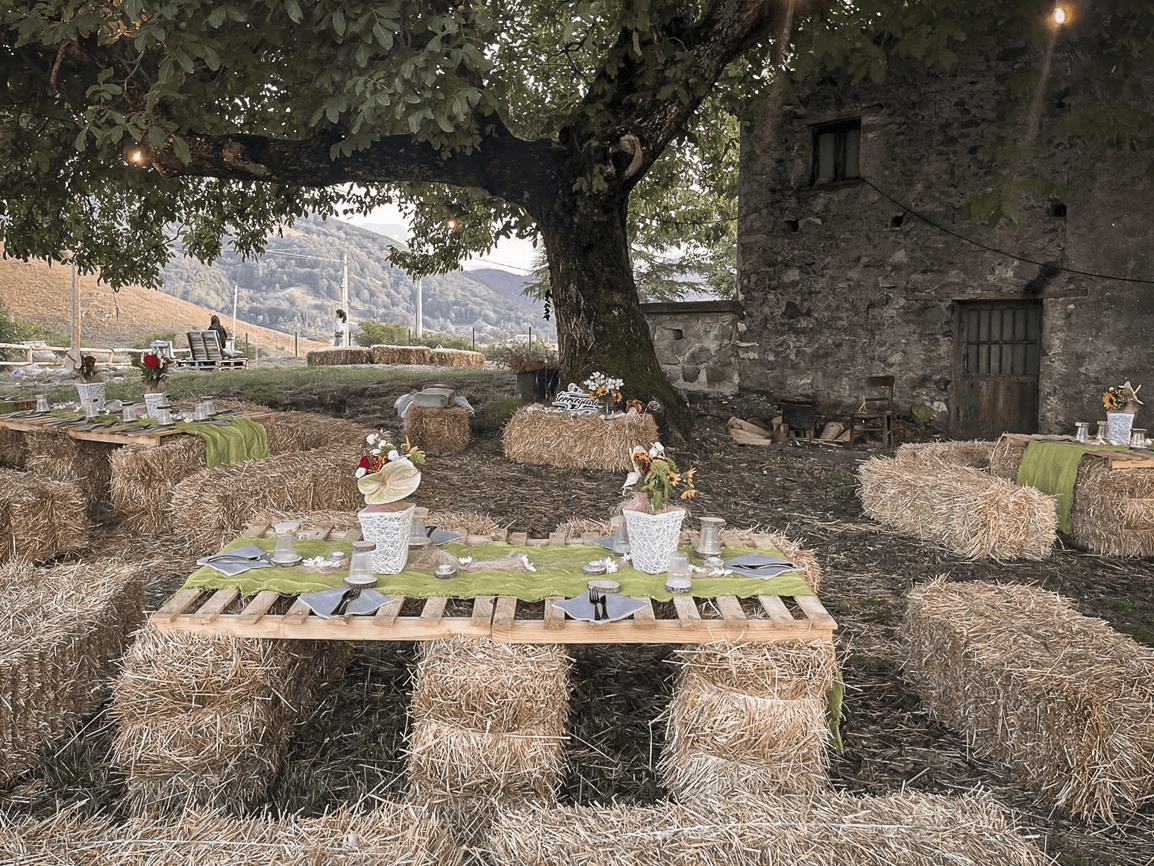
A significant example is what is happening in the Campolongo district of Mormanno. This area is one of the most representative mountain agricultural areas in the territory. Here, a rural community that has reached a fourth generation of farmers is trying to renew the way of living and interpreting the district. Through the Campolongo – Generations, Roots & Future association, local farms have started to create a path that places the territory, the community, and the future of the internal areas at its center.
A significant example is what is happening in the Campolongo district of Mormanno, one of the most representative mountain agricultural areas in the territory. Here, a rural community that has reached its fourth generation of farmers is trying to renew the way of living and interpreting the district. Through the Campolongo – Generations, Roots & Future association, local farms have started to build a path that places the territory, the community, and the future of the internal areas at its center.
Campolongo is not just a geographical location: it is a concrete example of how rural areas can reinvent themselves starting from their roots. The businesses operating in the hamlet remain autonomous and independent, each with its own productive and family identity. They choose to collaborate and cooperate to promote common initiatives, enhance the area, and build shared development opportunities.
Campolongo is not just a geographical location: it is a concrete example of how rural areas can reinvent themselves starting from their own roots. The businesses operating in the hamlet remain autonomous and independent, each with its own productive and family identity, but they choose to collaborate and cooperate to promote common initiatives, enhance the area, and build shared development opportunities.
The association was created with this spirit: to build a bridge between generations, to enhance agricultural traditions, and at the same time open a new perspective for the future of the mountains. Through events, cultural initiatives, and moments of discussion with local institutions, Campolongo – Generations, Roots & Future aims to become a reference point for the development of the district and for the promotion of a dynamic and participatory model of rurality.
The association was created with this spirit: to build a bridge between generations, to enhance agricultural traditions, and at the same time to open new perspectives for the future of the mountains. Through events, cultural initiatives, and moments of discussion with local institutions, Campolongo – Generations, Roots & Future aims to become a reference point for the development of the district and for the promotion of a dynamic and participatory model of rurality.
This journey is also the vision and determination of young women who have chosen to take the reins of their family businesses.
Women who carry on the work of previous generations but with new perspectives, are able to combine tradition, innovation, and openness to the territory. Alongside the management of agricultural businesses, they contribute to building networks of collaboration, cultural initiatives, and opportunities for encounters that strengthen the bond between community, landscape, and agricultural production.
Women who carry on the work of previous generations but with a new perspective, able to combine tradition, innovation, and openness to the territory. Alongside the management of agricultural businesses, they contribute to building networks of collaboration, cultural initiatives, and opportunities for encounters that strengthen the bond between community, landscape, and agricultural production.
What is happening in Campolongo is a sign of a new awareness that is developing in the rural mountain communities. An awareness made up of skills, study, and experiences gained even outside the territory and then brought back home with a different perspective. It is not just about continuing to cultivate the land, but about fully understanding the overall value of the mountain: as a living space, as an environmental safeguard, and as a place capable of generating relationships, economy, and culture.
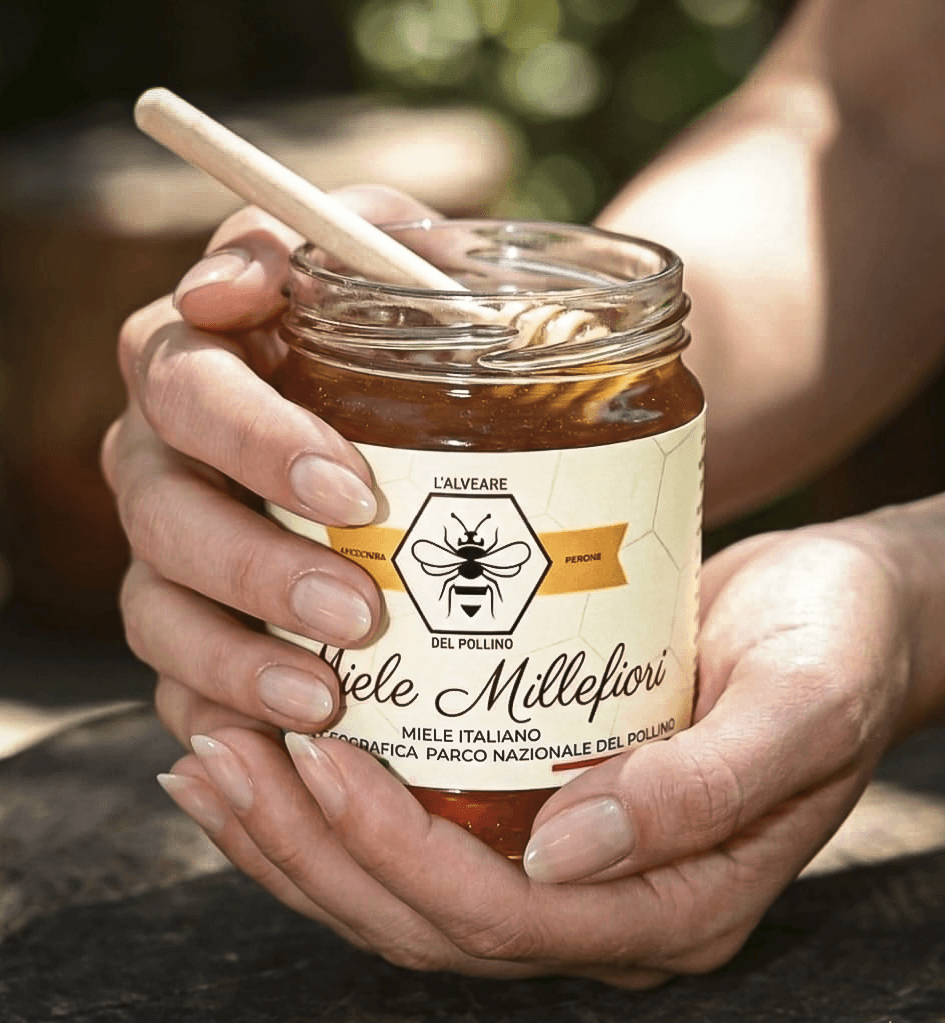
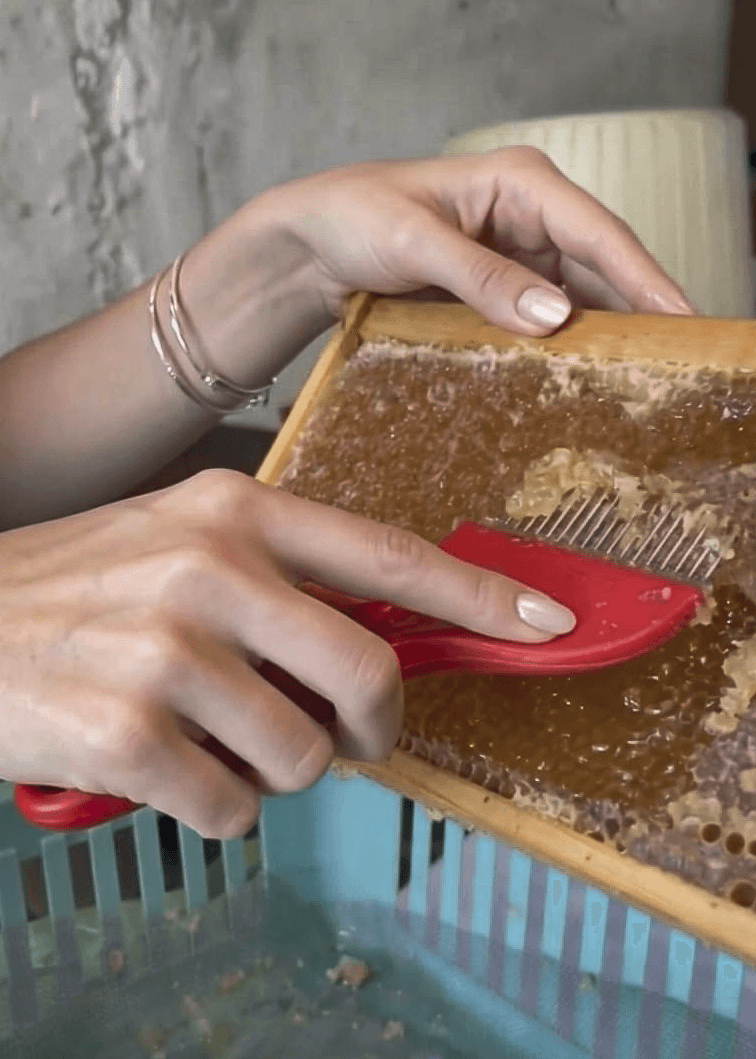
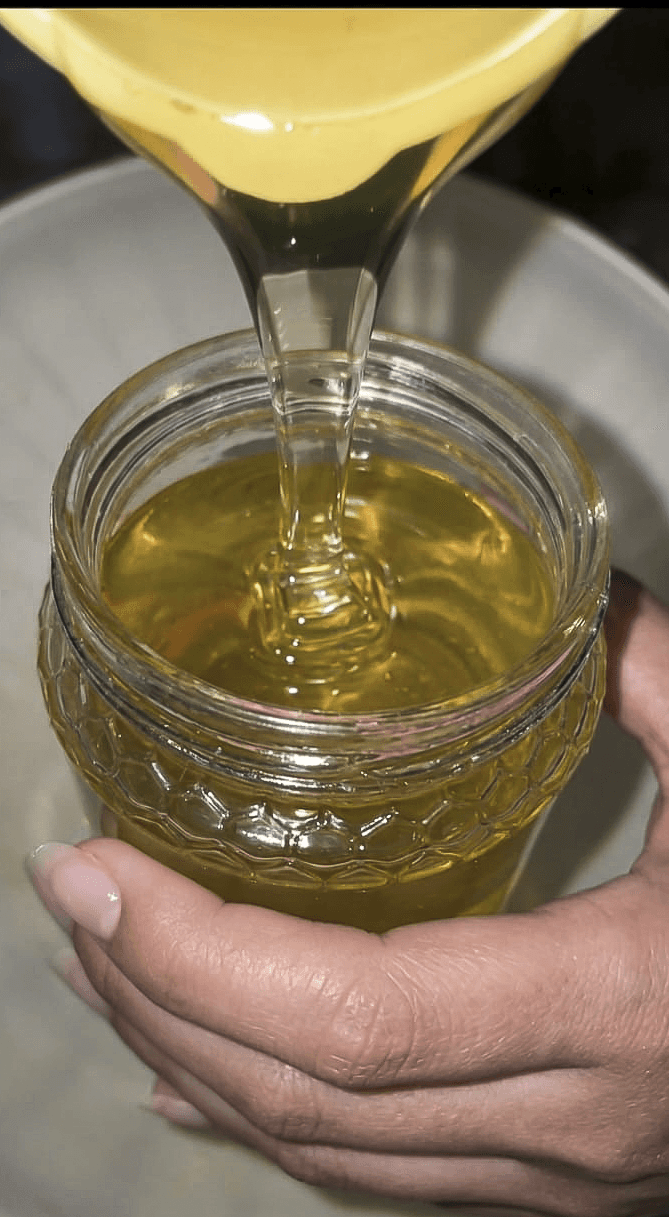
Indicative is the production of honey, under the aegis of the Miele brand of the Pollino National Park. Human, in this case the women who produce it, takes inspiration from the meticulous and coordinated work of bees. A community where each individual works for the overall good of the group and thus for everyone.
Indicative is the production of honey, under the aegis of the Miele brand of the Pollino National Park. Man, in this case the women who produce it, takes inspiration from the meticulous and coordinated work of bees. A community where each individual works for the overall good of the group and thus for everyone.
Those who choose to live and work in these areas today know how fundamental it is to preserve the mountains, not only for agricultural production but also for the role these territories play in terms of landscape, biodiversity, and ecosystem services. Caring for the fields, maintaining the terraces, cultivating local varieties, and keeping the rural fabric alive means contributing to environmental protection, preventing land degradation, and conserving a natural and cultural heritage that belongs to everyone.
In this journey, the bond between mountain and women takes on a particularly significant value.
The women, who today lead many family farms, are not simply continuing an inherited business: they are reinterpreting the relationship with the land, introducing new visions, new modes of collaboration, and a strong focus on the community aspect. Through cooperation among companies, dialogue with institutions, and the construction of shared initiatives, these young entrepreneurs are helping to strengthen the sense of belonging to the territory and create new opportunities for the local community.
The women who today lead many family farms are not simply continuing an inherited business: they are reinterpreting the relationship with the land, introducing new visions, new modes of collaboration, and a strong focus on the community aspect. Through cooperation among companies, dialogue with institutions, and the construction of shared initiatives, these young entrepreneurs are helping to strengthen the sense of belonging to the territory and to create new opportunities for the local community.
Campolongo thus becomes a small but significant laboratory of contemporary rurality: a place where the land continues to be cultivated, but where at the same time relationships, ideas, and projects are cultivated. Here, the mountains are not just a natural backdrop, but a living system that requires care, responsibility, and vision.
And it is precisely from this renewed awareness — made up of skills, collaboration, and love for the territory — that a new season for the communities of the inner areas can emerge: a season in which living in the mountains is no longer just about resistance, but a conscious choice for the future.