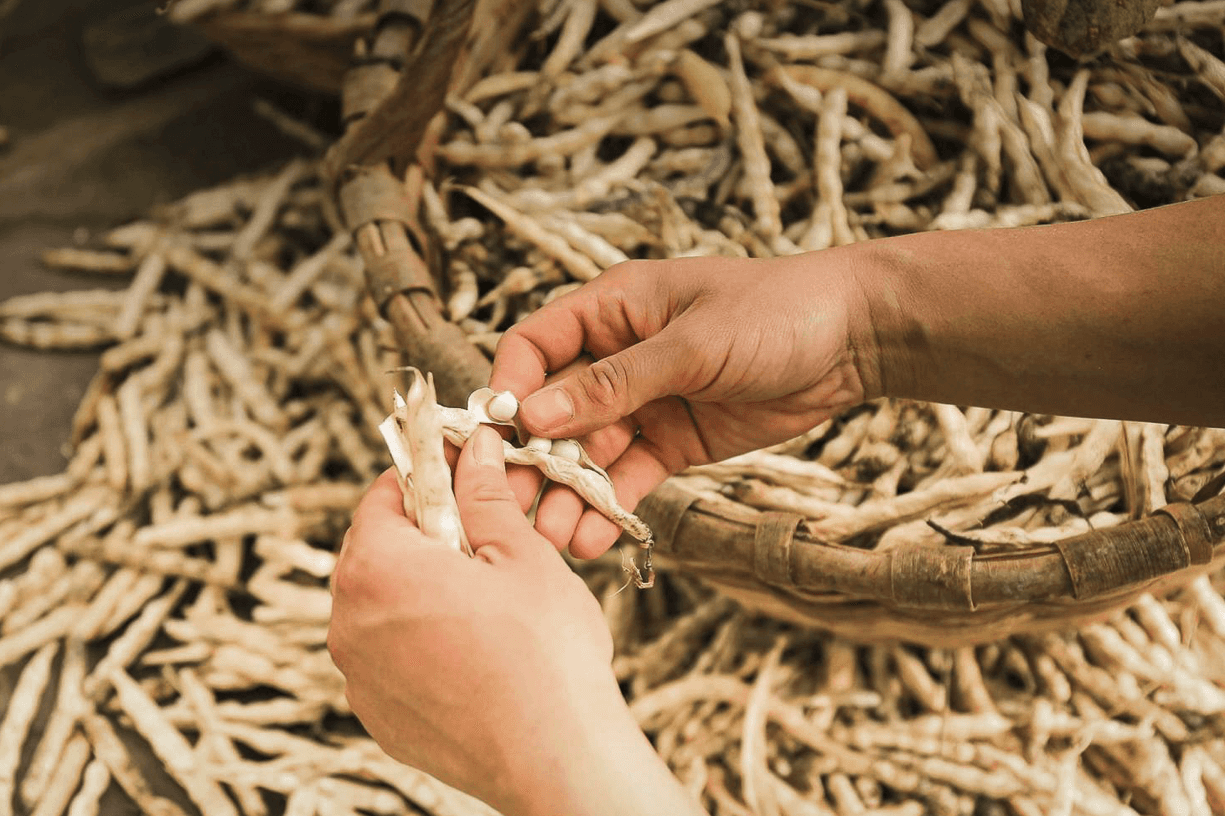
Here, in these ridge countries where winter is long and the rhythms are still dictated by nature, the White Poor One is more than just food: it is an integral part of the local identity.
Cultivated in small plots of land, with seeds passed down from hand to hand, it has never succumbed to the logic of yield or market pressure. It has remained true to the territory and memory.
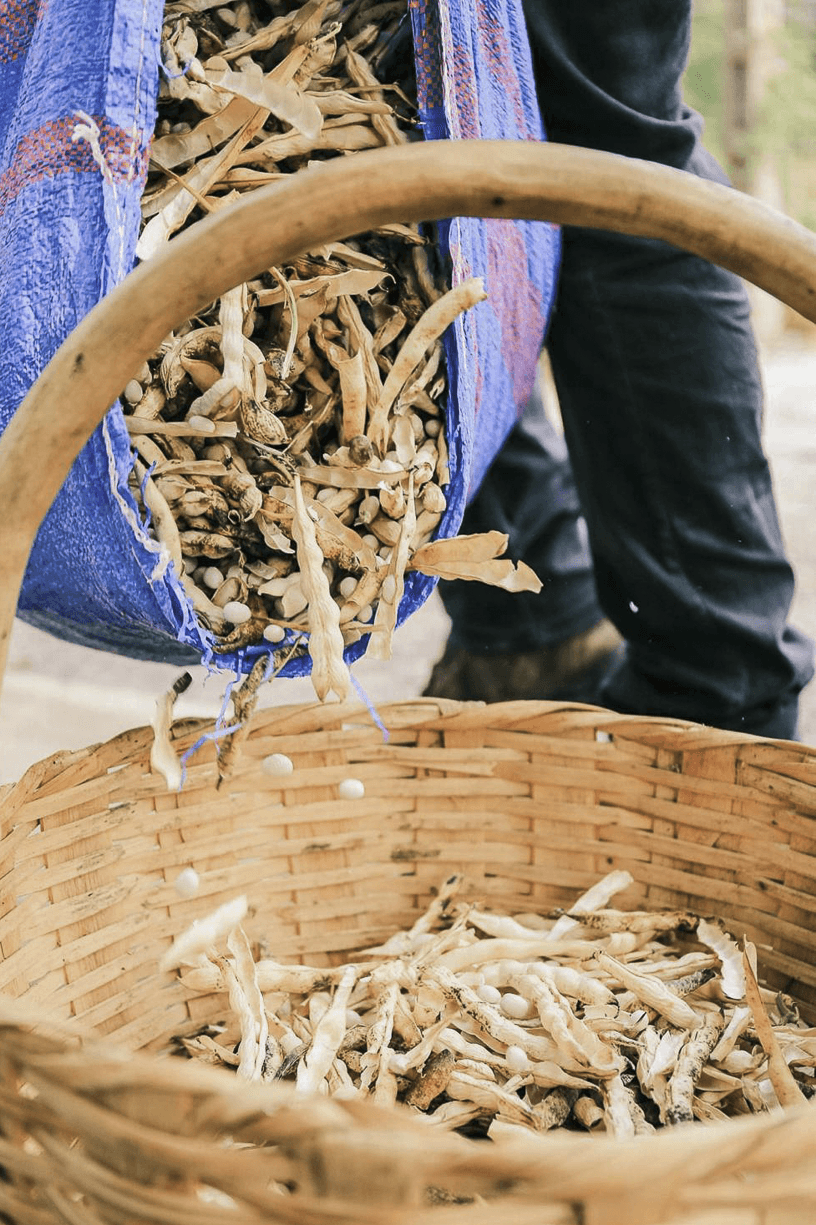
The Slow Food Community of the Poor White Bean of Pollino was born precisely for this purpose: to safeguard a heritage of biodiversity, flavors, and knowledge. The work of the community is extensive: recovering seeds, spreading traditional techniques, promoting events in the area, and engaging younger generations.
Every farmer tells of their relationship with the bean as if it were a blood bond.
There are those who sow it according to the lunar calendar, those who only cook it on festive days, and those who preserve the seeds like one does with relics. And there are those who have chosen to stay – or return – to these lands precisely to cultivate it.
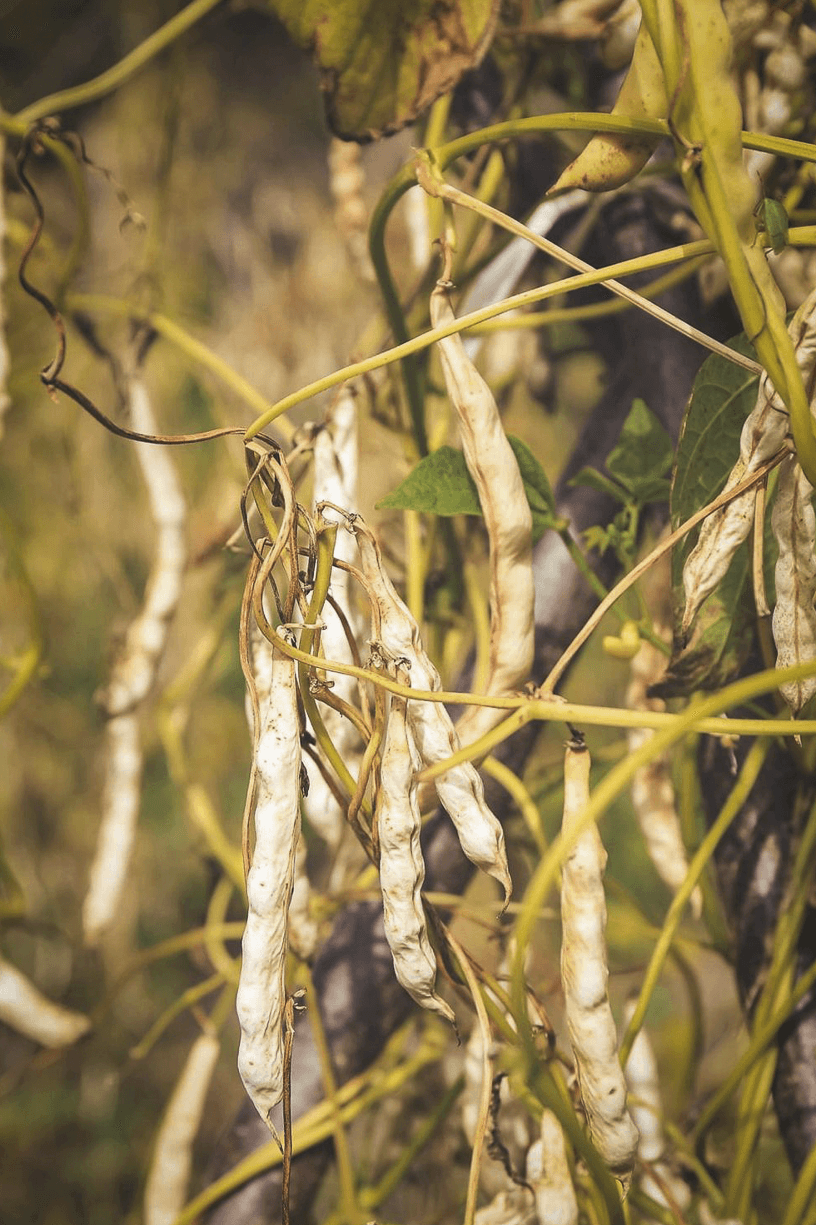
In the kitchens of Pollino, the Poverello Bianco is the star of thick soups, humble dishes rich in history, often accompanied only by extra virgin olive oil and homemade bread.
But today it also begins to appear in creative kitchens, a sign that tradition can engage with innovation without losing its essence.
Telling the story of the Poor White means recounting a silent yet powerful resistance: that of a mountain that does not want to forget its roots. And of a community that, through a small legume, defends an entire cultural and agricultural ecosystem.