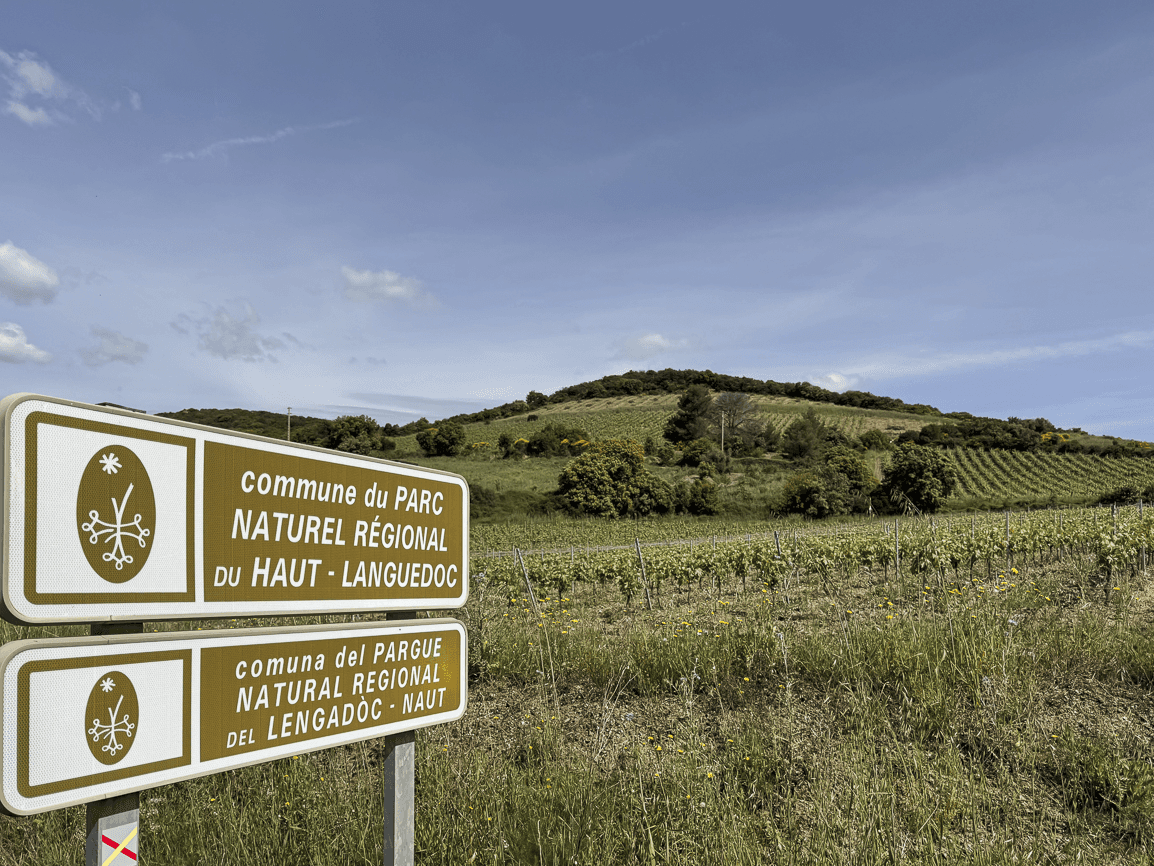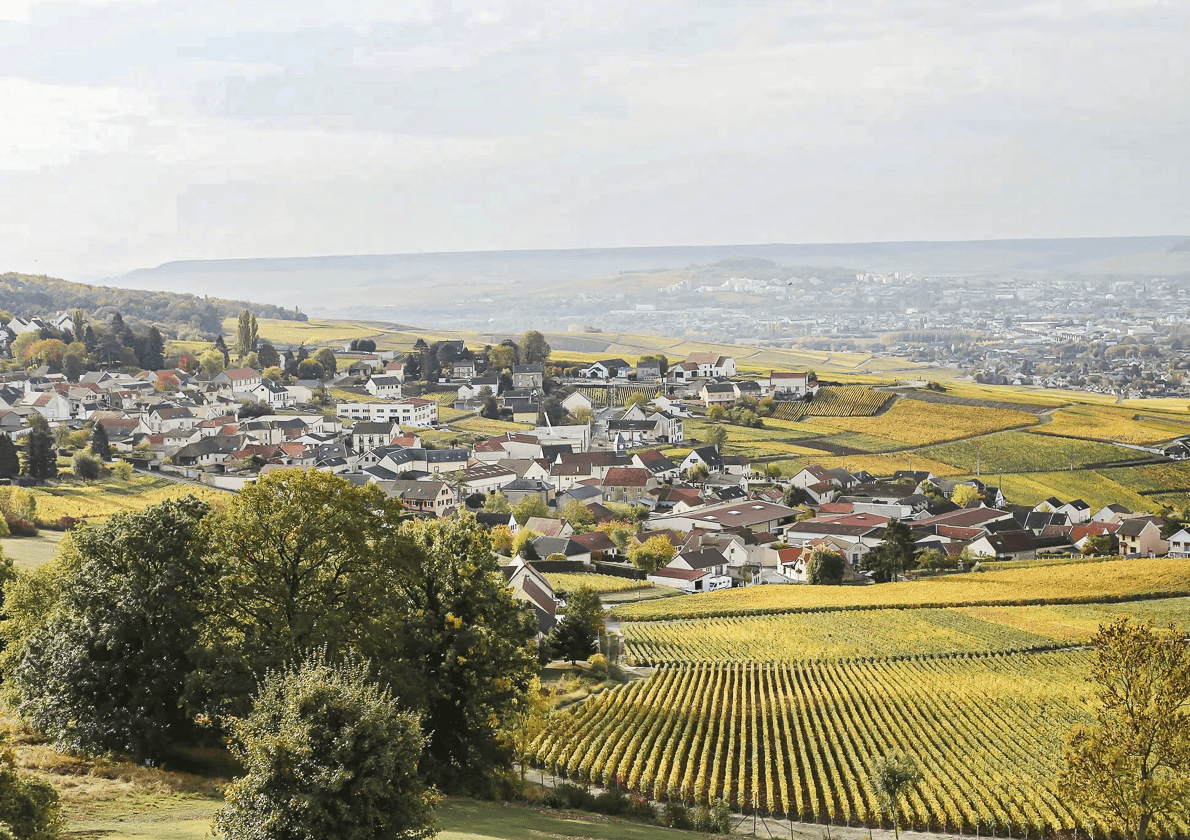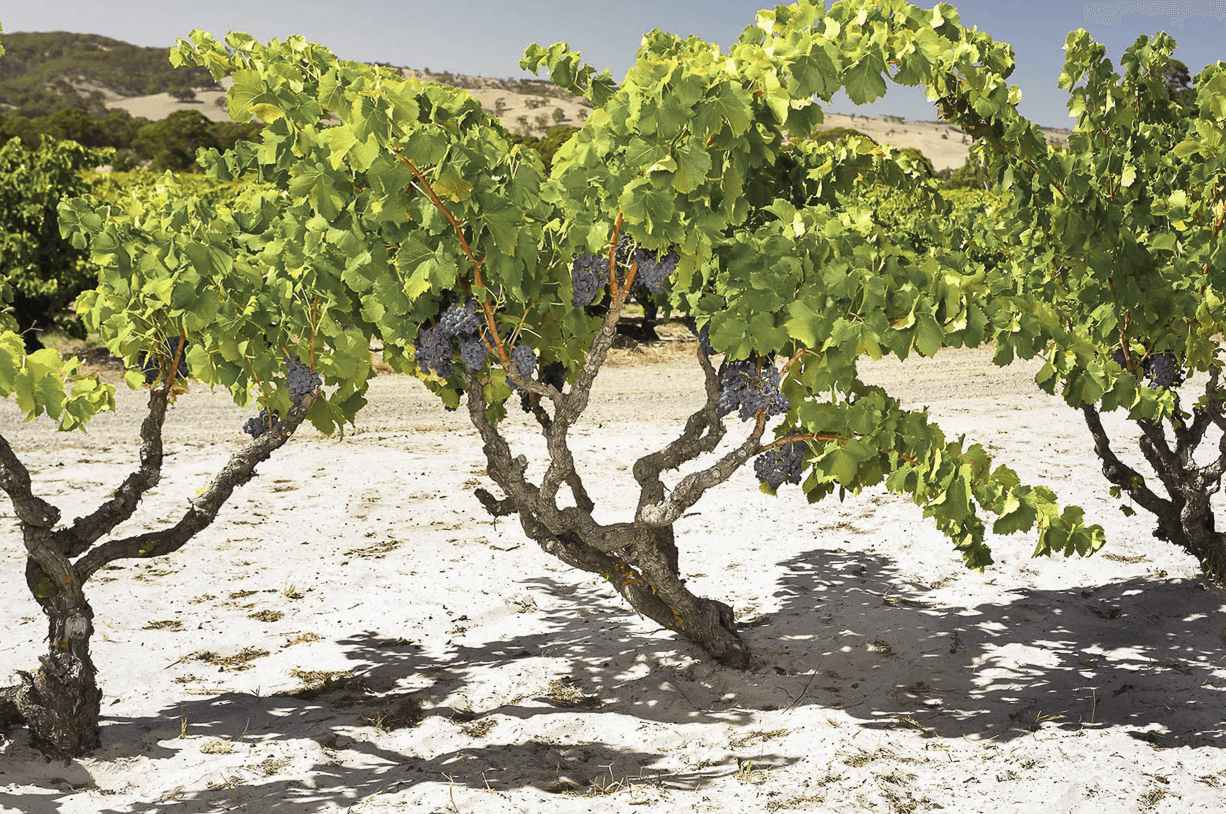
I wanted to write an article about PIWI grape varieties, and I pondered for a long time on how to introduce, present, and analyze the topic. However, every attempt seemed inadequate to truly do justice to such a relevant topic in the world of wine. I then chose to start from another perspective: the frontier. But what is the frontier in wine?
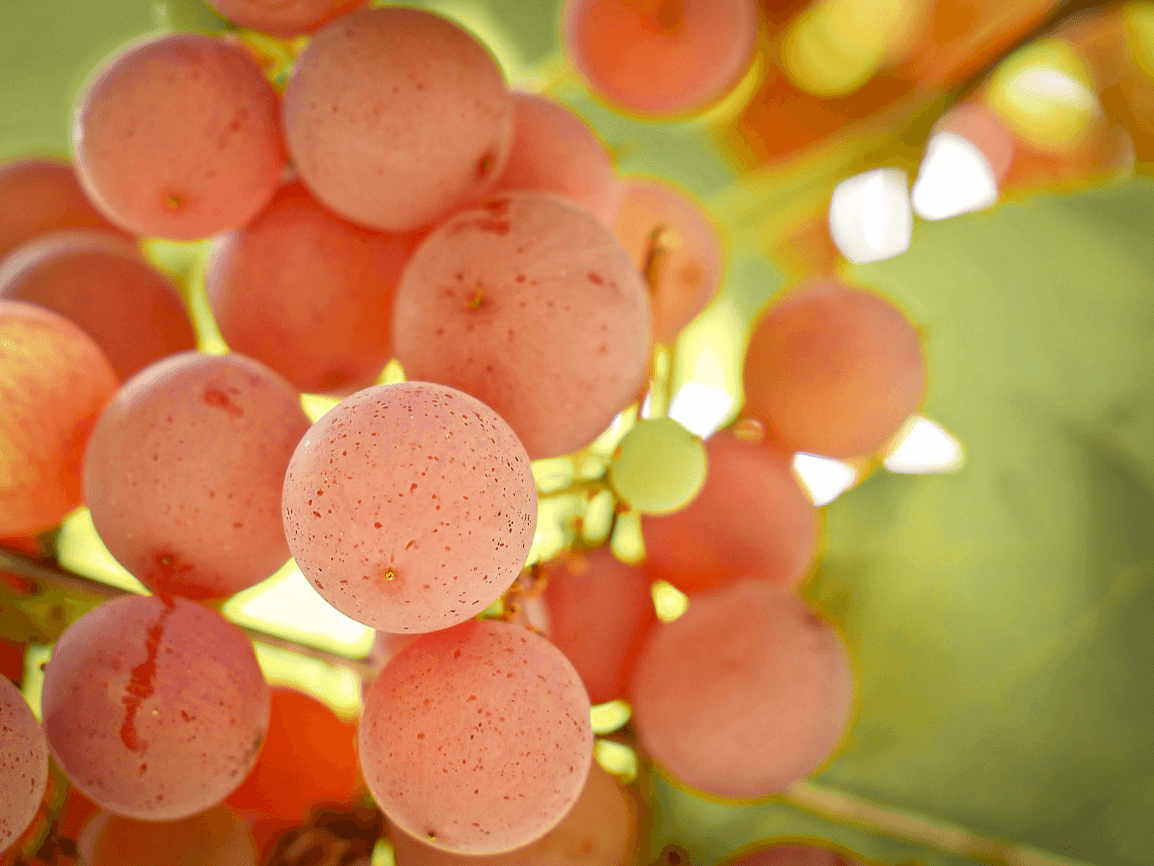
It can be geographical: a line that separates states, regions, and different production areas, from which different grapes, stories, and designations arise. It can be climatic: an invisible limit marked by latitude, such as the famous 50° northern parallel — with Reims at 49.2 — considered for centuries an insurmountable threshold for the vine.
More often, however, the border is cultural: a mental boundary rooted in habits that fosters distrust toward what is different.
The most difficult border to cross is not the geographical one, but the one we build inside ourselves.
PIWI represents a break from these boundaries — provided we are willing to cross them. Because they have, in fact, already overcome them. But what are they exactly? The acronym comes from the German word pilzwiderstandsfähig and means “fungus-resistant vines.” These are varieties obtained through natural crossings between European Vitis vinifera and species with genetic resistances to diseases such as downy mildew and powdery mildew. Their history dates back to the 19th century, during the devastating scourge of phylloxera that brought European vineyards to their knees. Faced with an unprecedented crisis, it became necessary to seek new solutions to a new problem.
The genesis of PIWI also has a little-known and surprising twist. Among the pioneers is Eugène Contassot, a French pastry chef who realized the possibility of hybridizing resistant American vines with European varieties. Without specific training, he began grafting in his own garden, obtaining the first seeds of hybrid plants, which were then given to researchers like Georges Couderc and Albert Seibel, who would go on to become world references in hybridization.
It is useful to clarify a fundamental point: PIWI are not GMOs. They do not derive from genetic manipulations in the laboratory, but from traditional crosses between compatible varieties. In many cases, they retain up to 99% of the genetic heritage of European vines.
I am not a betrayal of tradition, but an evolution of its ability to adapt.
What do they represent today? Grape varieties with still unfamiliar names — souvignier gris, solaris, bronner, regent — once viewed with suspicion and now reassessed for their contribution to environmental sustainability. Their greater resistance to diseases allows for a drastic reduction in pesticide treatments, tractor passes, water consumption, and the overall impact of cultivation.
In some cases, they are even finding a place in prestigious names, as is the case in Champagne with voltis. Referring to them as "pirate wines" makes sense only if we consider them from the perspective of customary practices, as products that exist beyond borders. But perhaps it is this explorative nature that makes them interesting. After all, viticulture that extends as far as Scandinavia can only evoke images of exploration. Perhaps the PIWI are not wines beyond borders: they are the new map that wine is learning to navigate for the future.