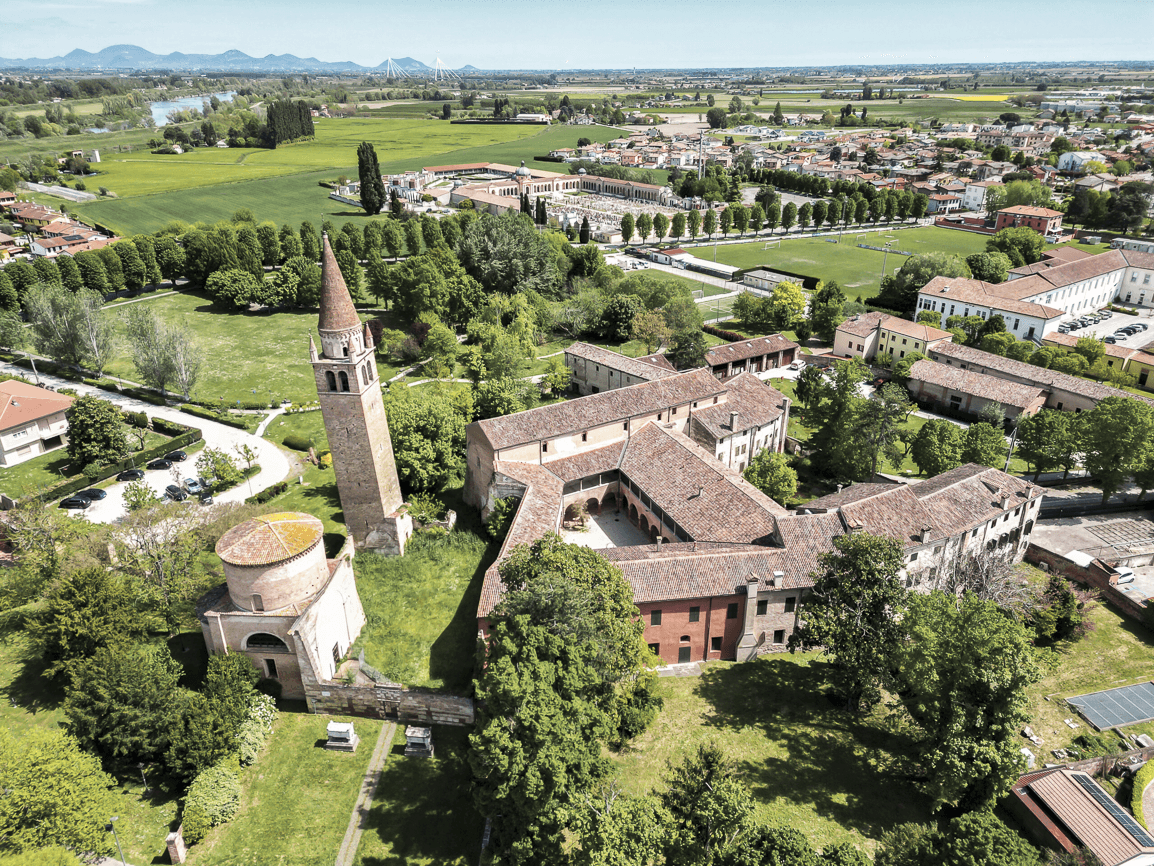
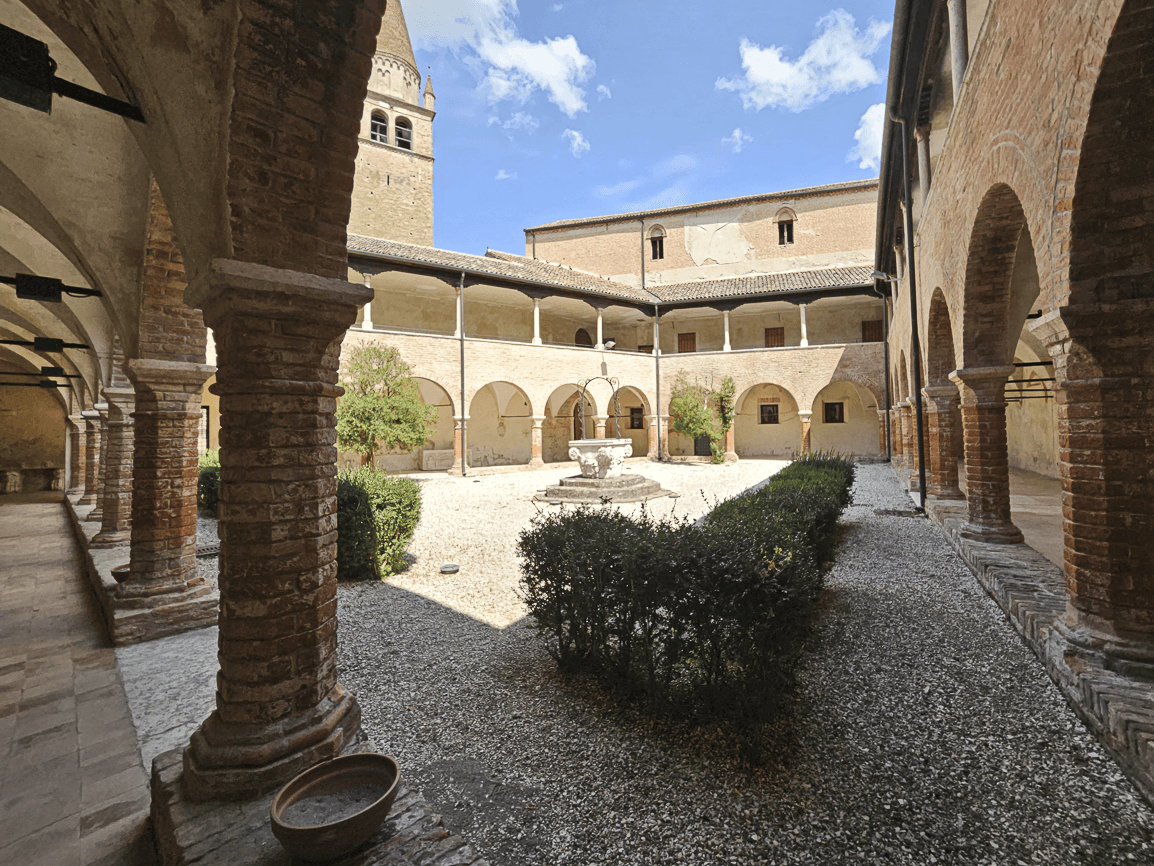
The monks, faithful to the motto "Pray and Work", did not limit themselves to praying within the cloister walls; they were hydraulic engineers, agronomists avant la lettre, the first to read the fragile balance of this land and impose order on the chaos of the waters with reclamation works that tore hectares of future from the swamp.
Their "work" was an act of creation, a constant dialogue with a difficult but generous environment, a pact of land that lasted until the Napoleonic suppression of 1810.
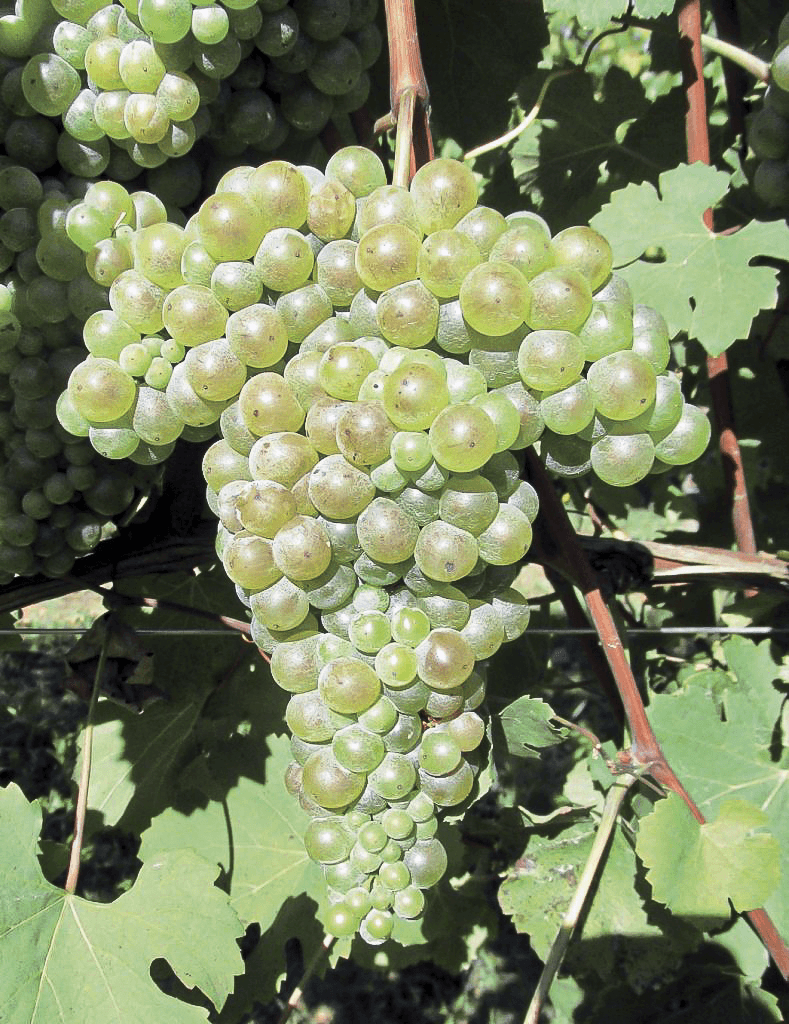
The oblivion seemed definitive, but the earth, like men, has a long memory. The resurgence of the mattarella has the face and hands of Vittorio Comini, a fruit grower in Giacciano con Baruchella.
In the 1990s, while others were abandoning it, he chose to go in the opposite direction: not only a vintner but an archaeologist of his own agriculture. With a tenacity that speaks of embankment and root, he safeguarded the few precious rows that survived, becoming the guardian of a genetic heritage on the brink of extinction. This solitary dream of his then became a collective mission with the birth of the Association of Historical Polesani Wines, a brotherhood of enthusiasts that obtained official registration of the mattarella in the National Catalogue of Grape Varieties in 2021.
From this long recovery work, from this unwavering faith, a wine was born that is a manifesto, a liquid message in a bottle: Vangadicia 961.
The date “961” refers to a parchment found in the archive of the monastery, which explicitly mentions the term “Vangadicia” and mentions for the first time an abbot. The name itself is therefore a vow of loyalty to those millenary origins, a direct tribute to the Abbey that first cultivated this grape.
It is the culmination of a journey, the dream that becomes matter. Officially presented as the ambassador of Polesine, this wine is proof that tenacity can transform a forgotten grape into the symbol of an entire territory.
Vangadicia 961 is no longer simply a sparkling wine, but has evolved into something more complex and noble, capable of telling the story, the land, and the hands of those who made it possible in a glass.
A glass that tells a precise story. The color is a bright straw yellow, streaked with a fine and persistent effervescence. On the nose, alongside the fresh scents of green apple, pear, citrus, and white flowers, a vegetal balsamic note emerges, opening the balcony to a tasting panorama composed of a vibrant acidity, born of this land. It is a dance with elegant saltiness, which then concludes with that memory of citrus.
Tasting a glass of Vangadicia 961 today is an act of participation. It is feeling in its freshness the breeze blowing from the banks of the Po and in its structure the tenacity of men like Vittorio Comini or Giovanni Succi.
It is the demonstration that the future, at times, is merely the recovery of the best of the past.
In a world that chases uniformity, this wine is a flag of uniqueness, a message that comes from the heart of Polesine to tell the world that even a land of rivers and fog can produce a wine capable of proudly narrating its millennia-old history.