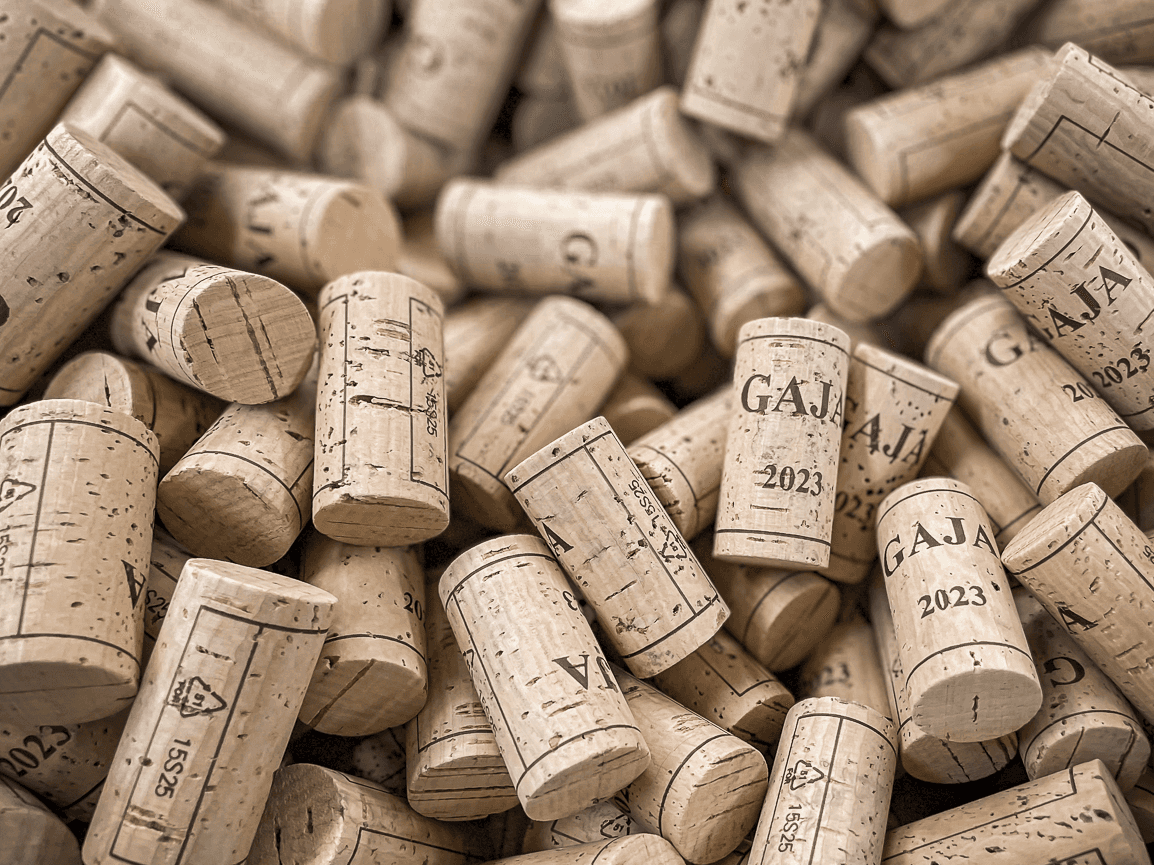
Do you remember that feeling when you taste a wine and notice its length? The sip is already over, yet something continues. A subtle echo, almost a vibration that lingers on the taste buds, even though you’ve already started talking. That’s the aftertaste. Silent, persistent, moving. Has this ever happened to you? Nice, isn’t it?
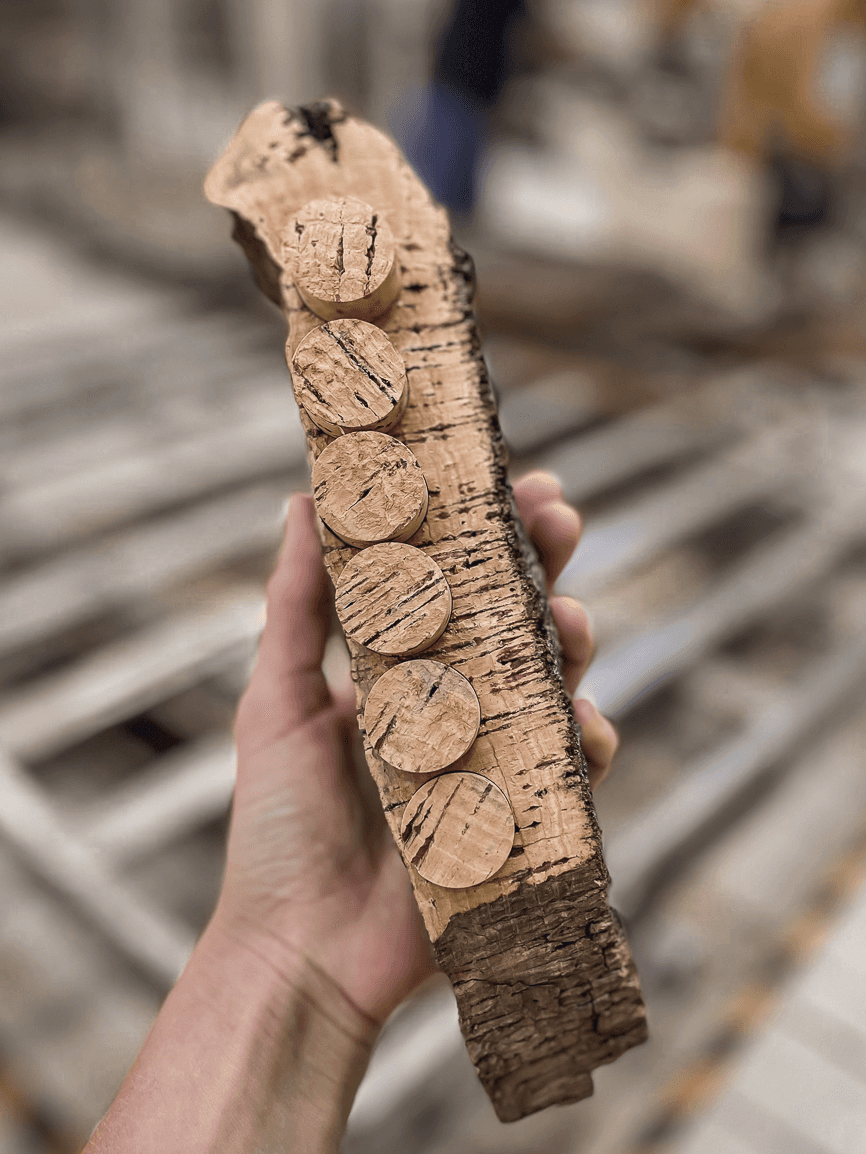
Now let’s change the image. We open a bottle. The aroma is strange. We taste it. It feels like chewing wet cardboard with mold. Not that any of us has ever actually experienced this, but that’s exactly the sensation. This is the famous flaw: cork taint, caused by a substance called TCA. You don’t need to be an expert to recognize it, but it takes time for our taste buds to forget it. It can happen with any wine, even wine made by the best winegrowers.
The aftertaste is ambivalent. It can take us on a sensory journey, evoke memories, and create inspiration.
But it can also leave an unpleasant imprint. The cork stopper is not the only culprit for TCA, but it is the one most involved. That's why it's worth starting here. Today there are several alternatives: screw caps with controlled oxygen ingress or innovative synthetic closures made from renewable raw materials. However, the latter require precise recycling and, at least for now, are not suitable for “wine by the glass” systems like Coravin: the needle leaves a hole that is too large. With cork, on the other hand, it works perfectly.
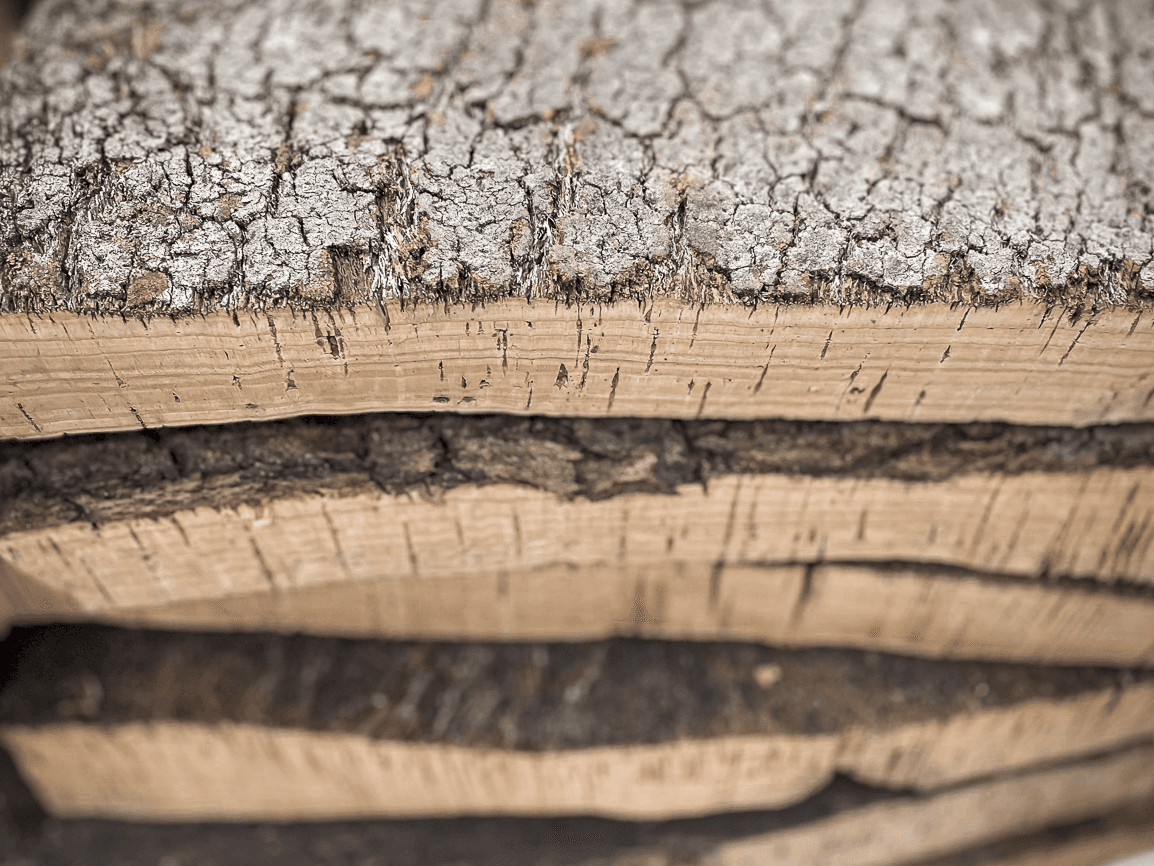
Are there solutions for the “traditional” cork too? Portugal is the world leader in cork production and cannot ignore modern technology. I had the opportunity to visit a facility near Porto: M.A. Silva, a family-run company founded in 1972 and now one of the most important exporters of natural and technologically advanced corks. They also make custom corks here for iconic wineries such as Gaja.
Cork oak forests extend across Portugal, Italy, France, Spain, and North Africa for about 2.2 million hectares.
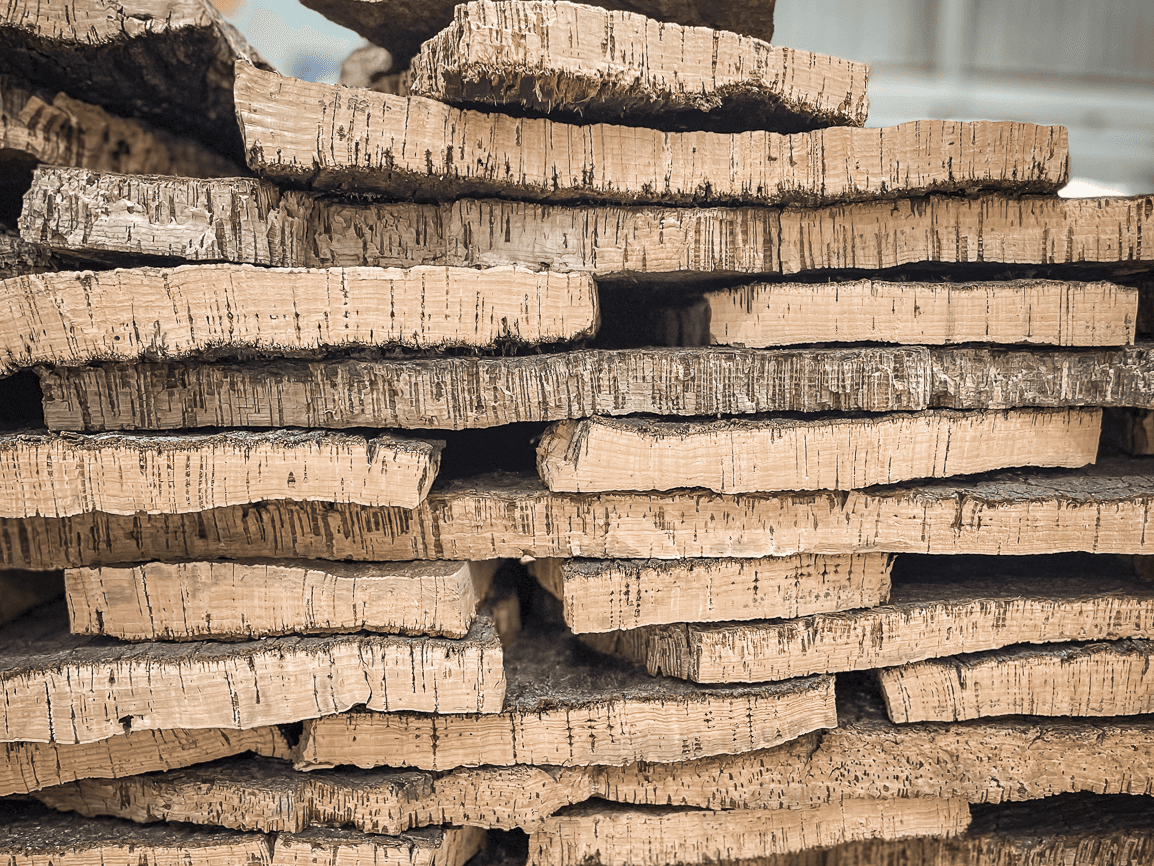
Protected areas, true biodiversity hotspots. The cork oak is Portugal’s national tree. From the moment it is planted, it takes 25 years to produce the first harvest, then 9 years for each subsequent one. Cork is a gift of nature: natural, biodegradable, and 100 percent recyclable. But how can this gift be made reliable for wine? For about ten years, M.A. Silva has been using SARA ADVANCED® technology. Through steam, temperature, and pressure, each stopper is checked one by one. The heat brings out any compounds responsible for TCA. Only perfectly clean stoppers continue on their way; the others are automatically discarded.
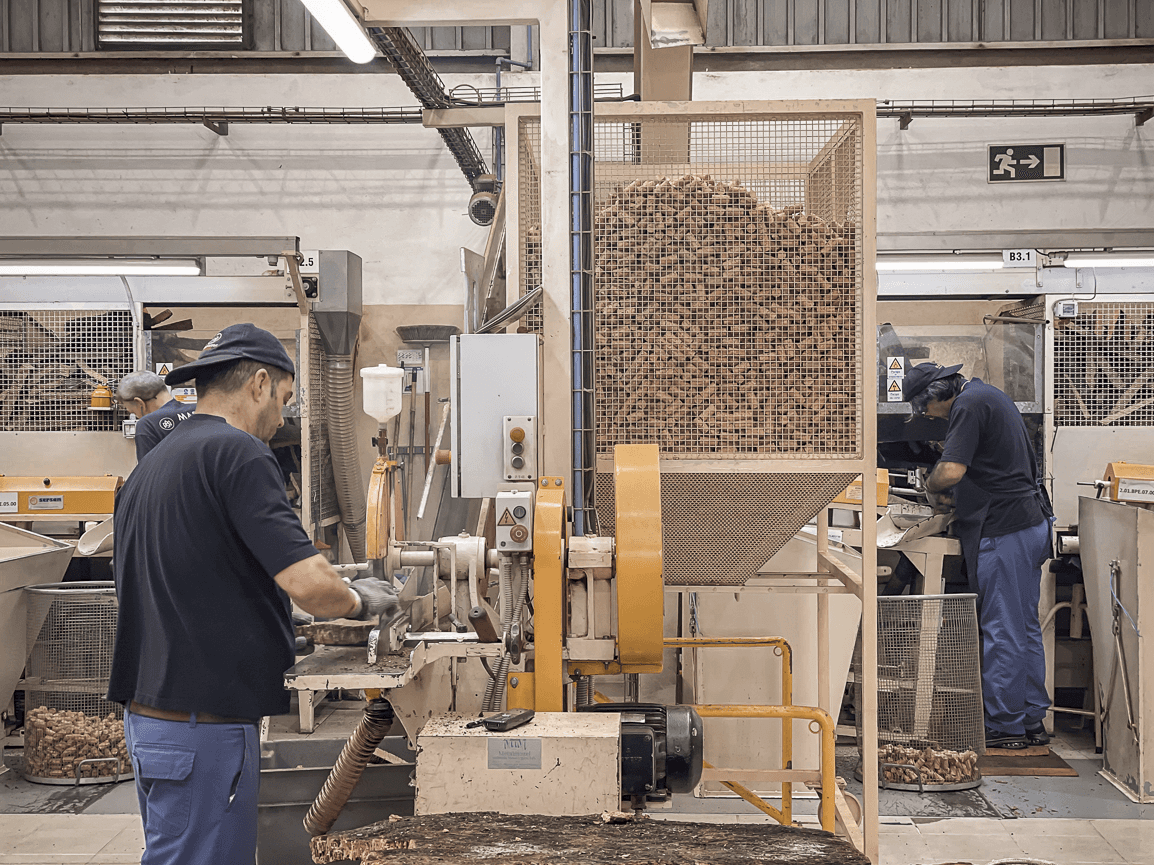
In 2025, a new development arrived that particularly struck me: BIONIC EYE®. An artificial-intelligence-based technology that analyzes every cork visually. An "electronic eye" photographs the cork from every side, identifying micro-defects invisible to the human eye: excessive pores, cracks, fractures. It does not eliminate TCA, which cannot be seen, but it removes the structurally weaker corks, the ones most at risk. Among the winery names that collaborate with M.A. Silva, I also recognize Italian wineries such as Massolino and Bresolin Bio, among others.
Protecting the aftertaste may seem like a trivial detail. But in wine, details are everything. Perhaps in life too. The sip ends… and what remains is precisely what we remember.