Plato, in his “Dialogues,” told of a prosperous island in the middle of the Atlantic Ocean, of a technologically advanced society and its desire to conquer parts of the Mediterranean. That island was called Atlantis. But all this story was nothing but a myth.
And what if I told you that Atlantis is not a myth at all? I would only dare to disagree, without too many scruples, with the description left to us by the Greek philosopher. This summer I was fortunate enough to set foot there.
The real Atlantis is the Azores islands. Part of Portugal, more than 1300 kilometers from the mainland.
Not just a single flourishing island, as the myth suggests, but nine lush islands: from the green São Miguel, the cradle of organic agriculture, to the black and “post-apocalyptic” Pico. Not a society eager to conquer continental lands, but wines capable of winning the hearts of enthusiasts. Wines that, if only they weren't so far away, would already have many more “allies” abroad.
What are the wines of the Azores like? Fresh, fantastic, with a rare balance. They are volcanic and marine. No, it would be right to call them oceanic. Volcanic and Atlantic.
All nine Azores islands are of volcanic origin. Here, active and inactive volcanoes coexist.
The islands were discovered in the 15th century, when the Portuguese Church encouraged the stable settlement of the population. In a short time, they became a strategic point for sailors and explorers: here James Cook and Christopher Columbus made a stop.
This push for travel brought with it another, quieter but deep push: agricultural development.
In São Miguel, the locals say that every piece of land was cultivated. The fertile lands housed gardens, pastures, and orchards. Once, the British colonies exported oranges in abundance. Today, bananas, passion fruit, pineapples, and even tea thrive here – the largest plantation in Europe is found right here. And the vine? Its Azorean origins are lost in time: perhaps from Cyprus, perhaps brought by Franciscan monks. The Church wanted all the islands to be inhabited. Pico, however, was covered with basalt stones and lava fields.
A challenging soil, but perfect for the vine. Thus Pico became "the most wine-producing island" of the Azores, leaving only a few vineyards to São Miguel.
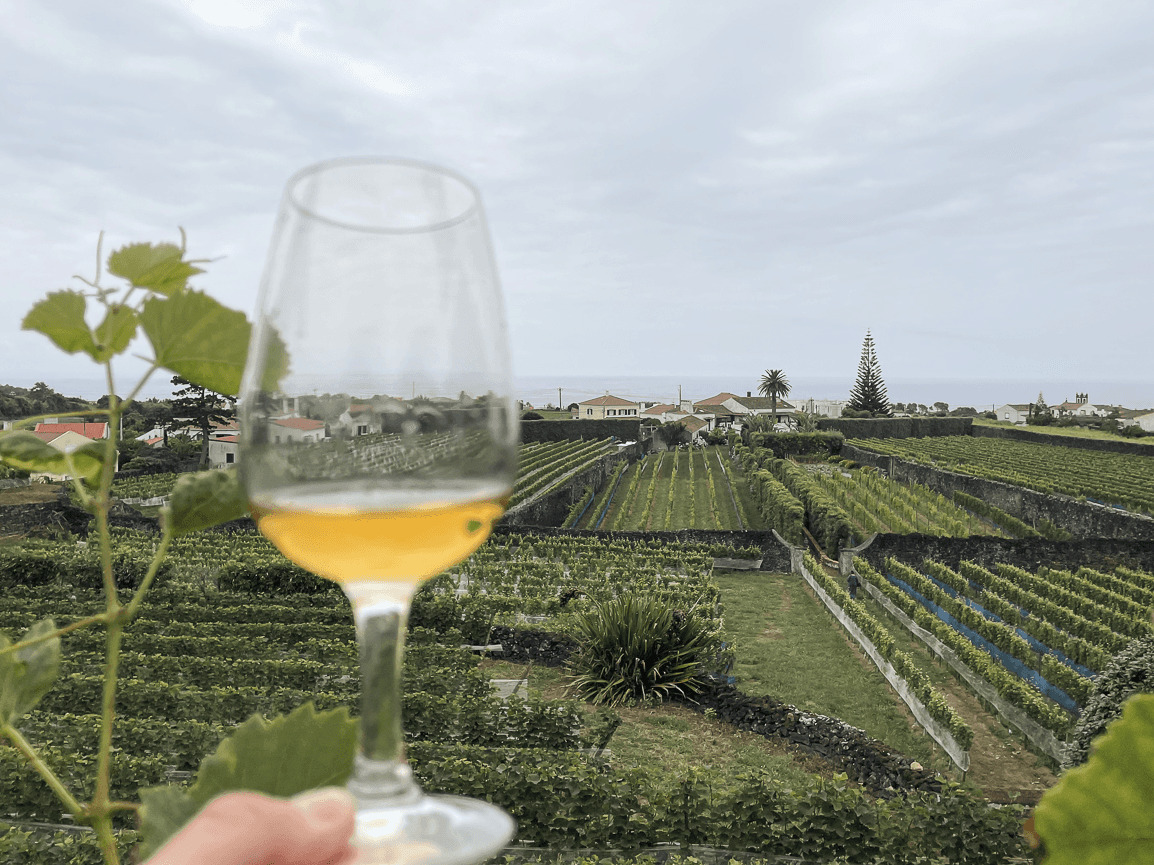
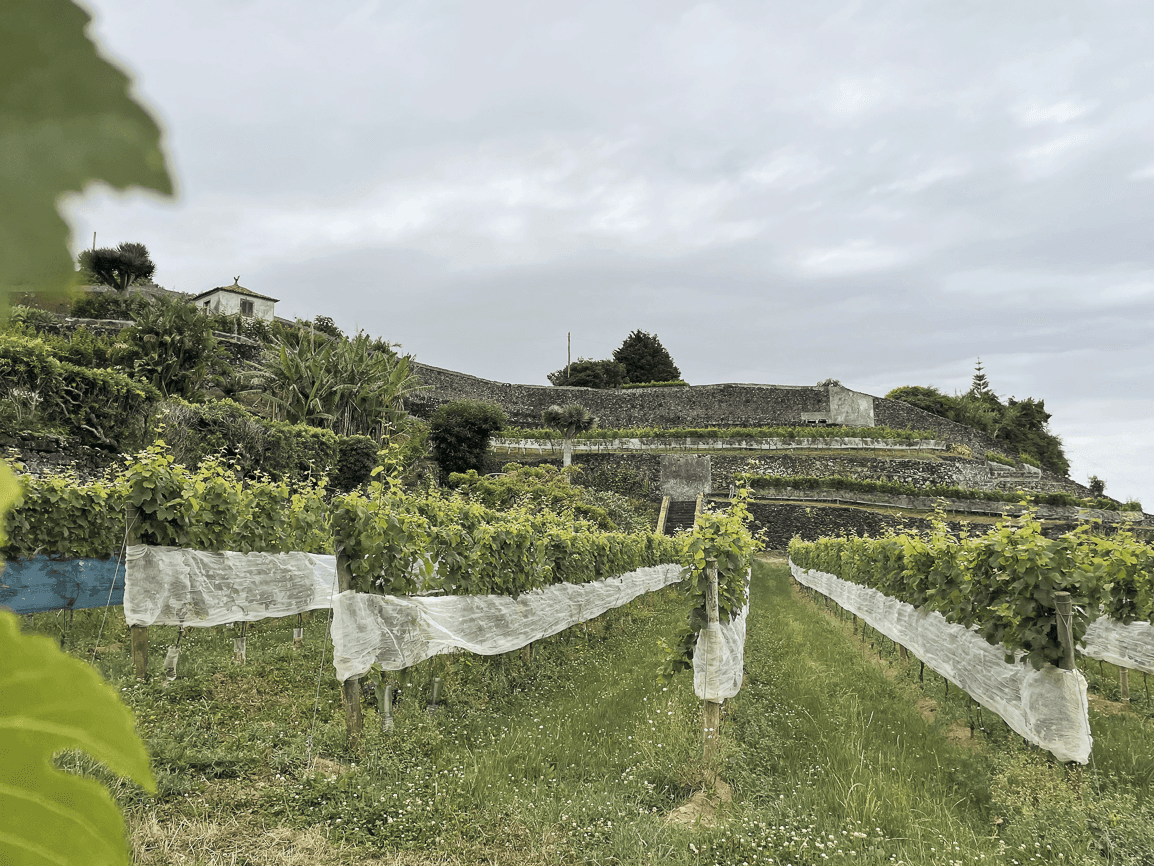
Today, the main producers are located in Pico, Terceira, Graciosa, and São Miguel. The basalt walls that surround the vineyards are their signature. Originally, they served to clear the fields of stones, but they ended up creating a unique landscape, almost similar to the French clos.
These walls are not only beautiful: they protect the vines from winds, salt water, and rapid climate changes. They absorb heat and release it, maintaining a stable microclimate, perfect for balanced ripening.
One of the things I love most about Portugal is the attention to indigenous grape varieties. Those born here, rooted in the territory, capable of gifting us new flavors and reminding us that diversity is the true richness of wine.
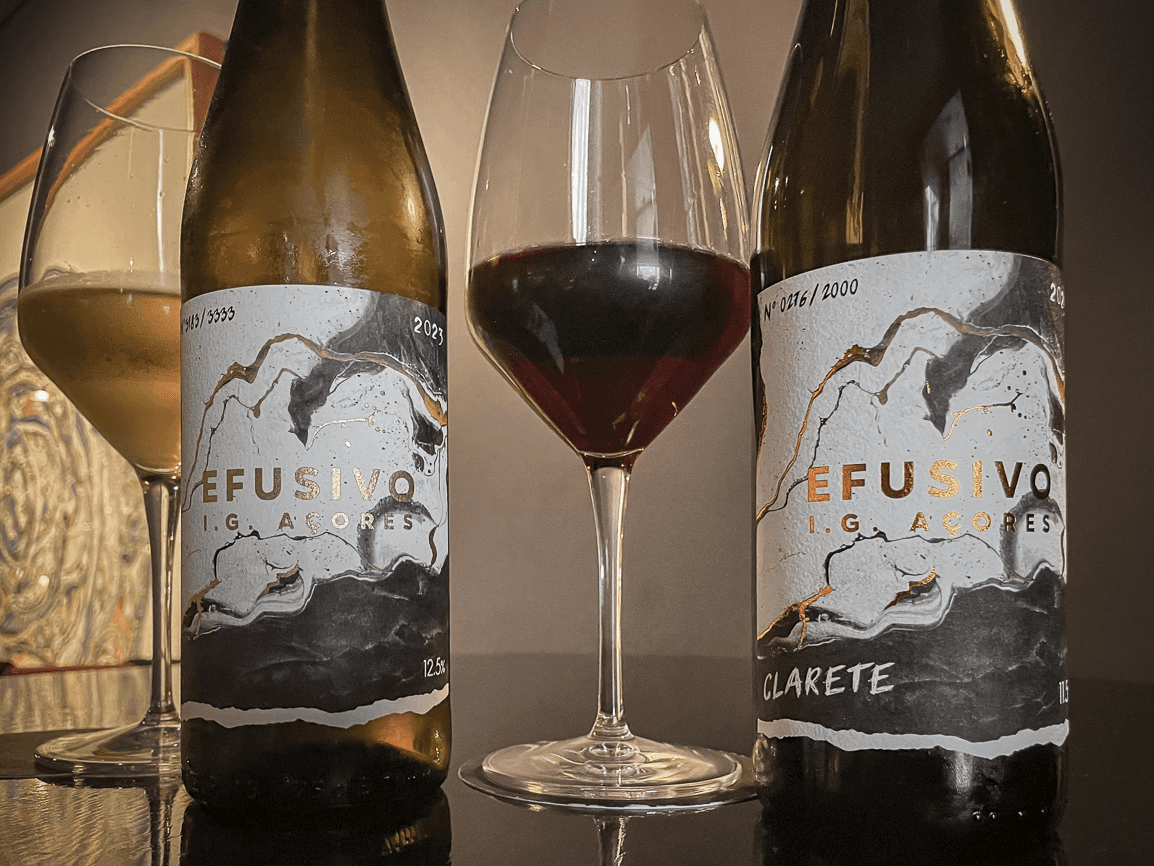
The protagonists of the whites from the Azores are three: verdelho, arinto dos Açores, and terrantez do Pico. All are characterized by a vibrant acidity, a low alcohol content, and probable genetic ties to the savagnin of the Jura.
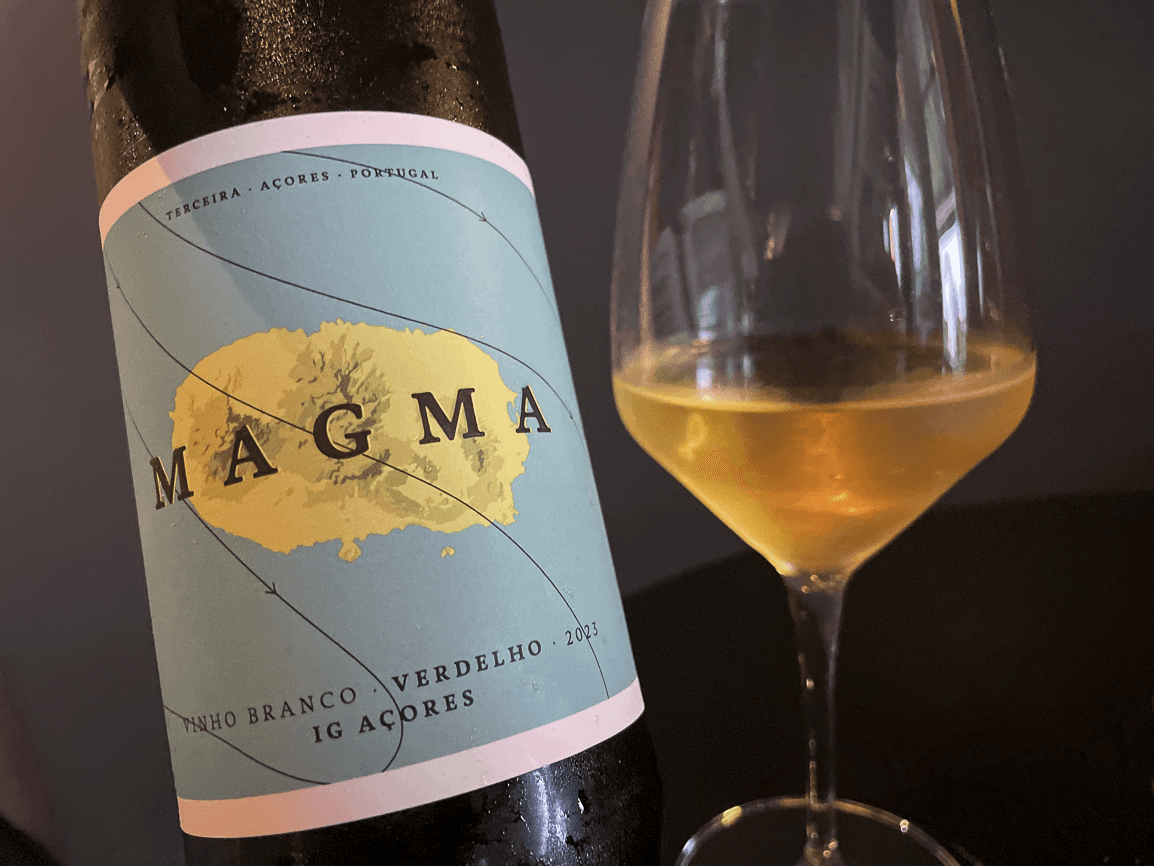
However, be careful: verdelho should not be confused with the Spanish verdejo. The former produces intense, fruity, and sunny wines — like the Anselmo Mendes Magma 2023, perfect with the local cod.
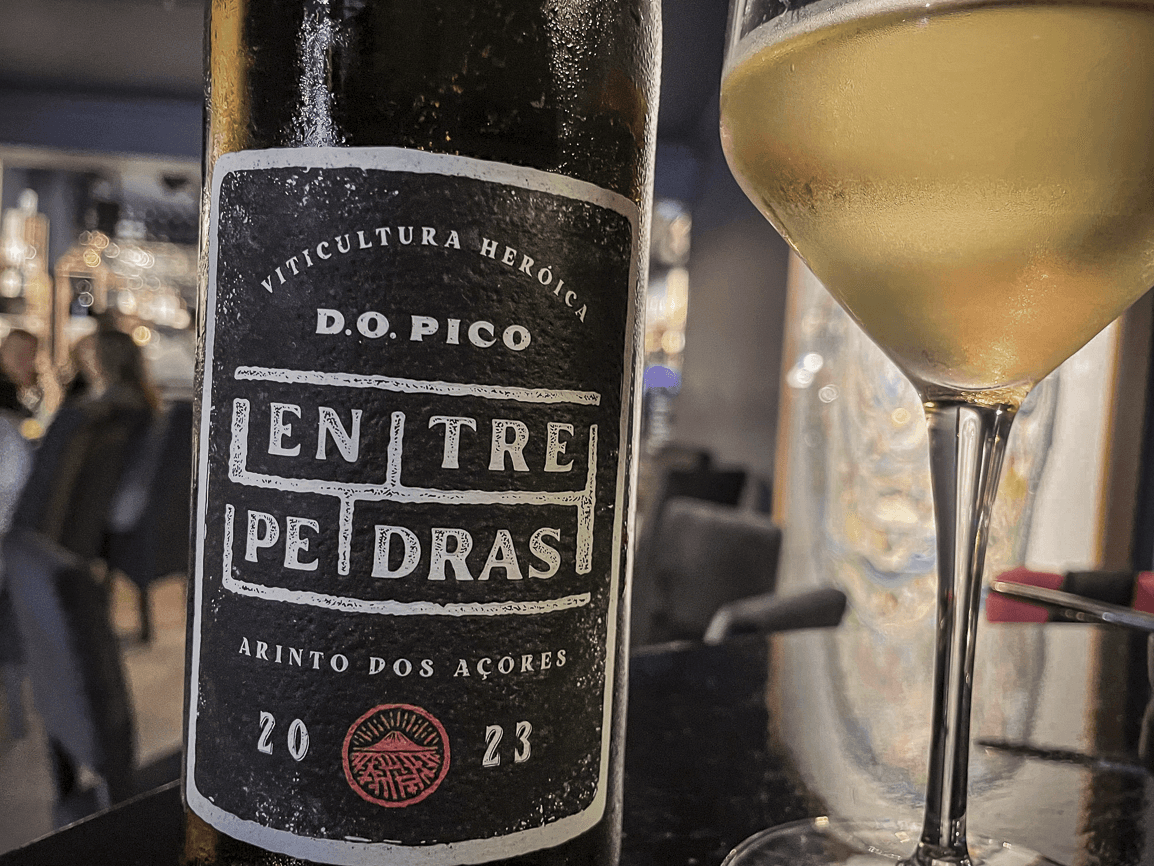
Arinto dos Açores, on the other hand, is an independent grape variety from its "brother" on the mainland. The wines produced from it are reminiscent of Riesling: floral, citrusy, and taut. Like the 2023 Arinto dos Açores from Entre Pedras, aged in volcanic caves and now a symbol of a new generation of natural winemakers.