Tell me the name of a Greek cheese.
Easy, feta (and so far so good). Tell me another one.
And here comes the interesting part, because in the collective imagination of boomers like me, Greek cuisine is made up of feta and souvlaki, taramosalata and tzatziki, and fish by the sea. And even if you’ve noticed while dining in restaurants in Greece that there is more than this, you will hardly associate Greek cheese with anything other than feta. In Greek dining, cheese is often a fundamental ingredient but rarely takes center stage.
It's hard to find an equivalent to our cutting board in menus. Perhaps that's why I was so excited when I discovered Metsovone.
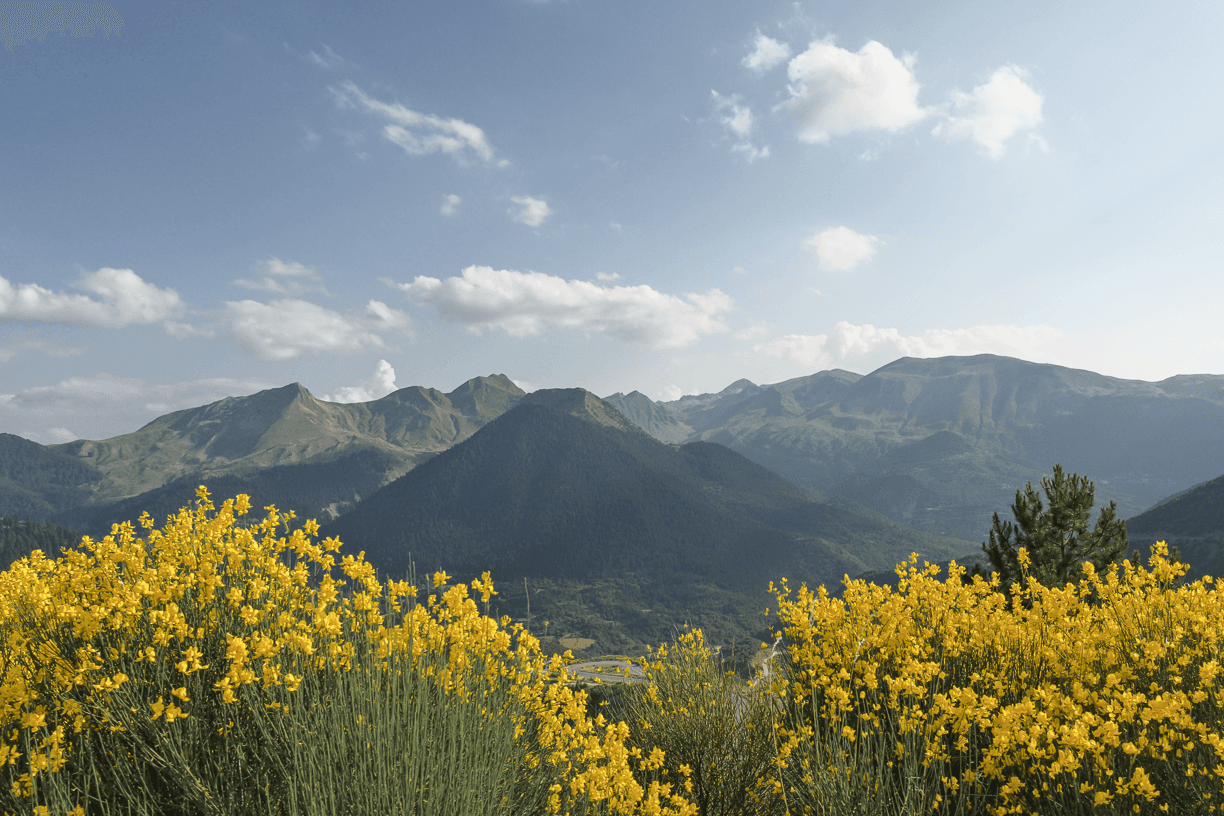
The beauty of travel is letting oneself be carried away by events. Fleeing from a heatwave, I took refuge for a few days in the mountains of the Pindus range near Ioannina, in Metsovo, a pleasant and popular ski resort. Here, I had my first taste of Greek cheeses, thus discovering the dairy production of this area. It is a peculiar reality that blends elements of tradition, patronage, and contamination with experiences from other countries.
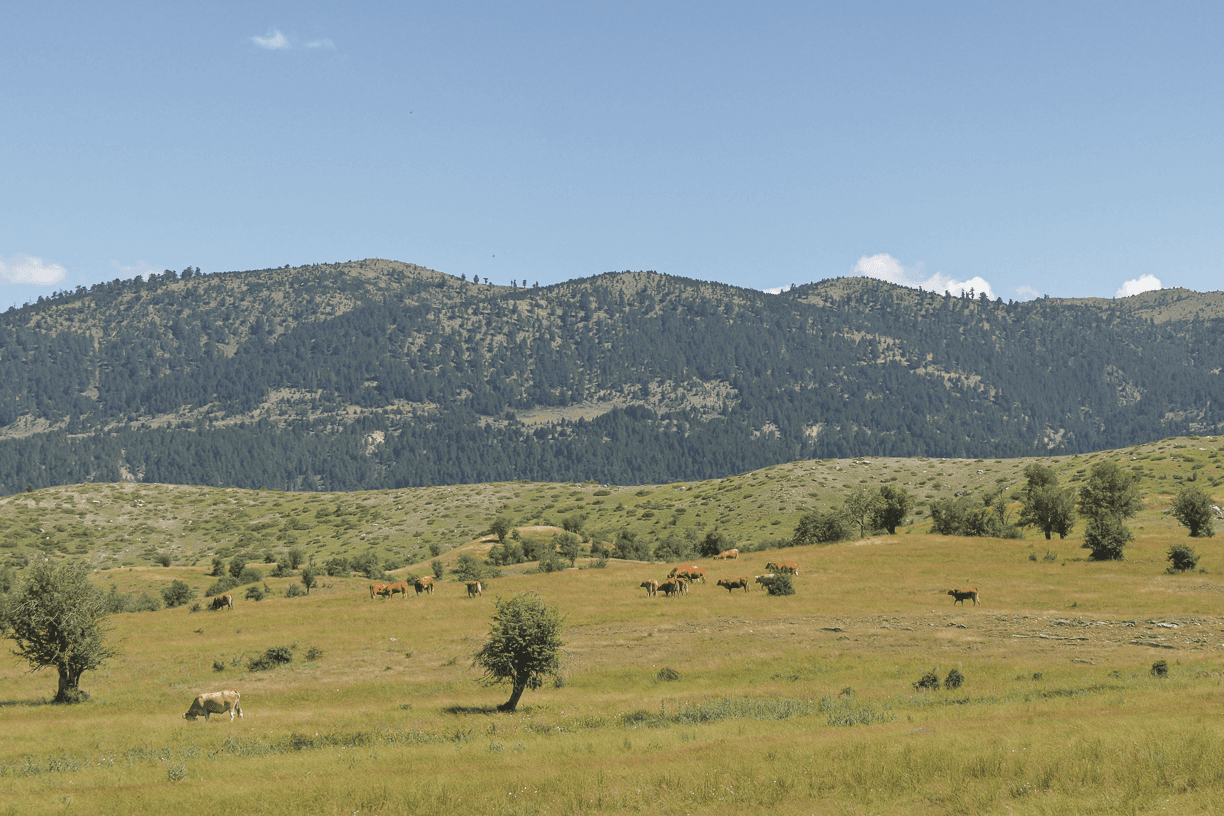
The population of Metsovo descends from the Vlach shepherds, who have been the guardians of the mountain passes over the centuries (a role that under the Ottomans ensured the country tax privileges and commercial development), and the practice of livestock farming would trace its roots even back to the Roman military garrisons that would have settled colonists and troops there to oversee the pass. However, cheese production was practiced for centuries only for self-consumption, and the fruits of pastoralism were primarily used for milk and textile production. It is only in the 1950s that dairy production was born, thanks to the initiative of the Tositsa Foundation, created with donations from Baron Michael Tositsa and at the behest of politician Evangelos Averoff, with the aim of preserving the cultural heritage and economic development of the area.
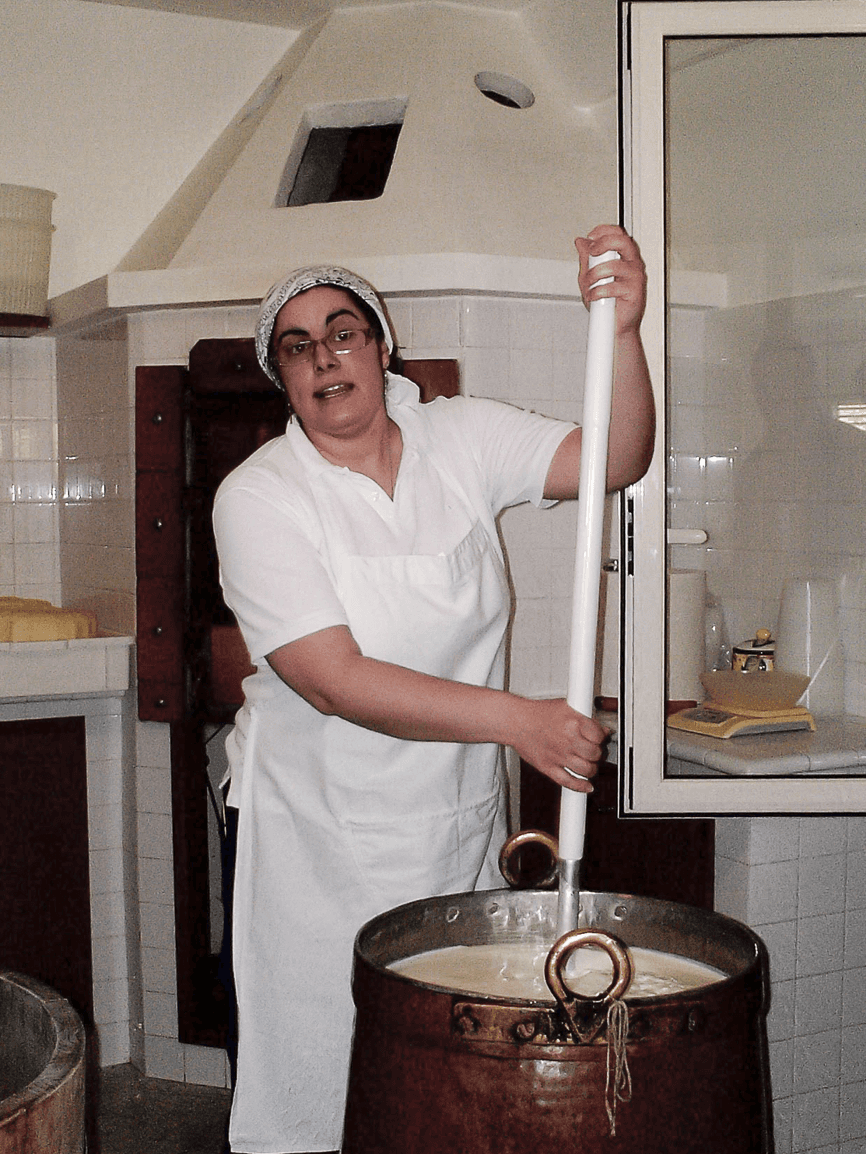
Since there is no real cheese-making tradition, the Foundation focuses on quality products, importing cows and bulls from Switzerland to improve the breeds, and trains future cheesemakers by sending them to Italy (after all, the baron was born in Livorno) to learn the cheese-making techniques.
I discovered this reality by chance, entering a place that appeared different from the others.
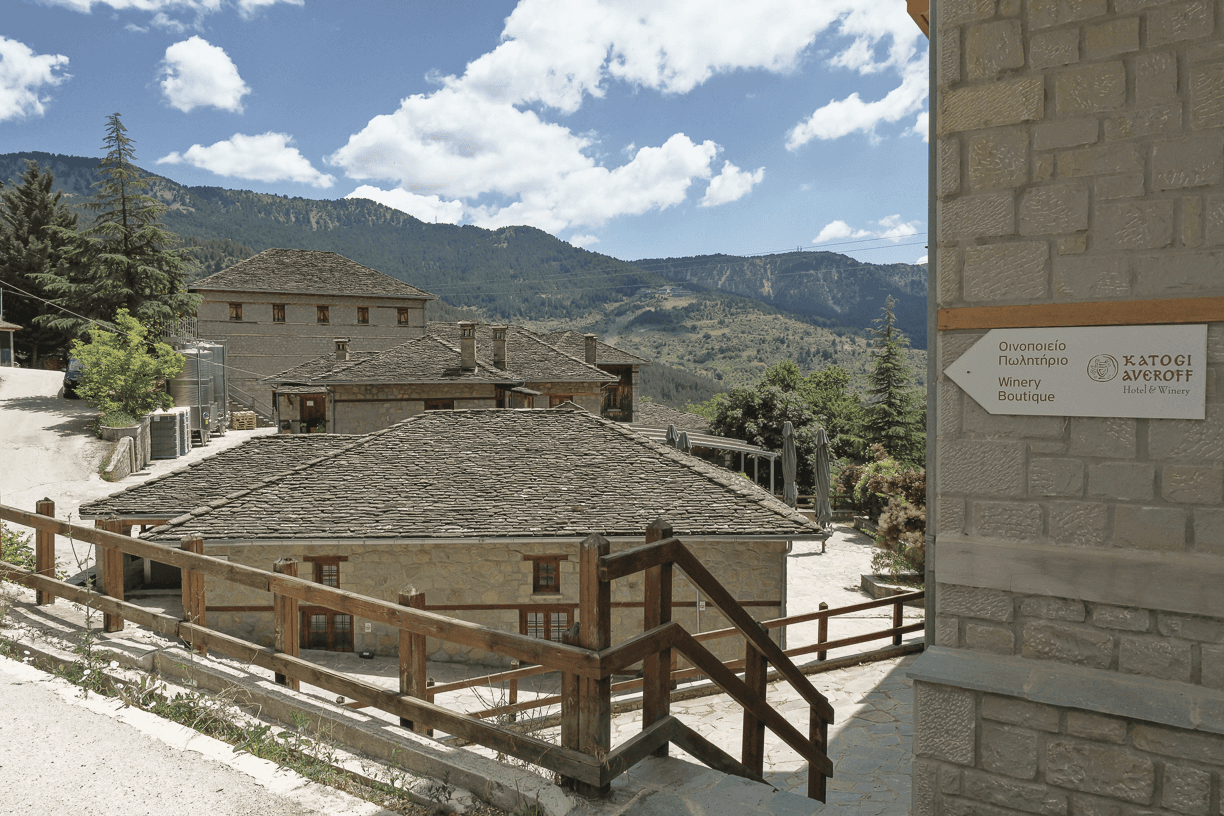
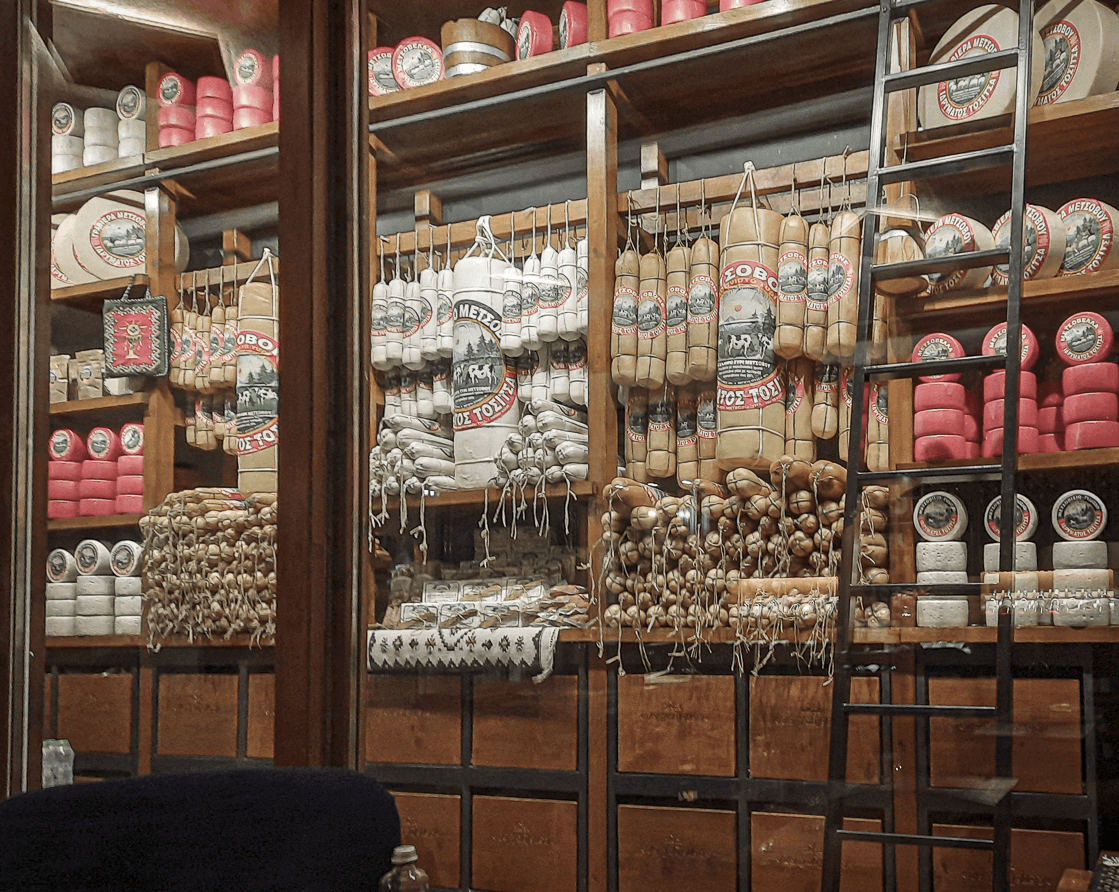
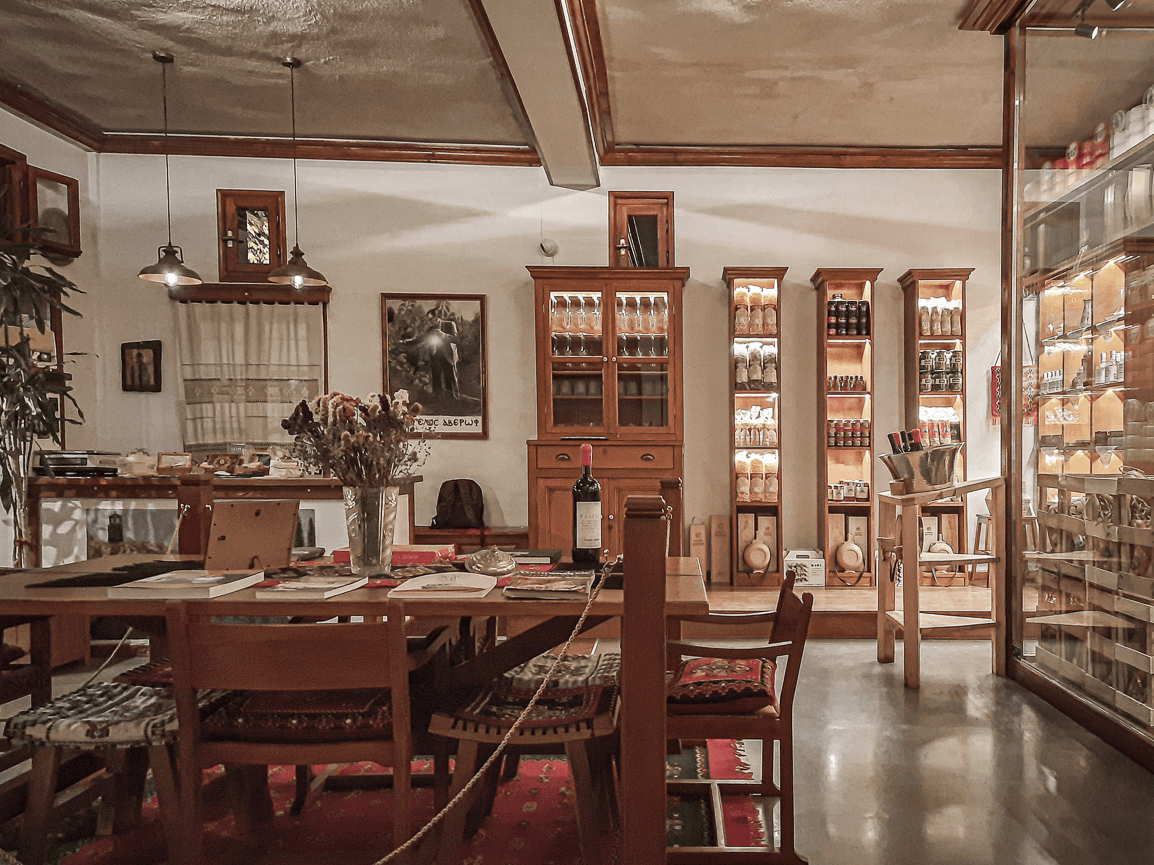
The Genuine (Gnision – the Authentic) combines modernity and tradition, and captivates you with its wooden furnishings, seating with traditional fabrics, and a theatrical refrigerated display that preserves and showcases the cheeses. A table in the center of the room displays publications that talk about Metsovo, the Katogi -Averoff wineries, and the Tositsa Foundation. This is not merely a promotional operation; the symbiotic relationship between the village and the Foundation is immediately perceivable to the tourist, as many of the local attractions (the gardens, the monumental trees, the folk art museum, the modern art museum, the wineries) link back to the two founding families.
The young owner, Konstantinos Zouvgias, explains to us, with evident pride, that he sells (and makes known) only the products of the area, and offers us a tasting of local products accompanied by a glass of wine, also local, from the Katogi-Averoff wineries. The cutting board also features some cured meats, but the stars are the cheeses from the Tositsa Dairy, accompanied by walnuts, almonds, grapes, and pieces of peach, blackberry jam, and pine honey. A delight.
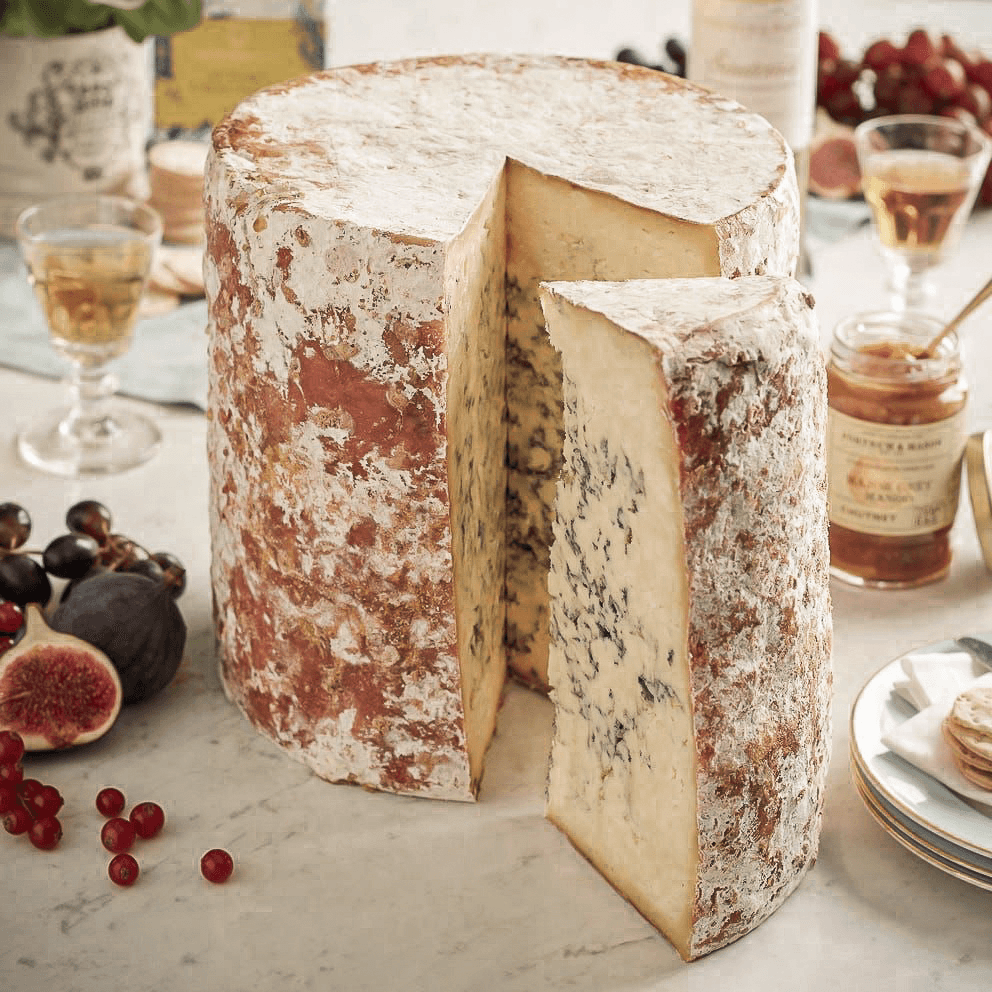
We then taste: Metsovisio Gidisio (100% pasteurized goat's milk, with aromatic notes of pepper, made using the traditional method), Metsovela (pasteurized sheep and goat milk with a blend of up to 25% cow's milk), Graviera (sheep and goat milk, similar to a sweet Gruyère), and Metsovone, which is the most widespread and well-known product. DOP since 1996, its regulations provide for the use of cow's milk alone or mixed with sheep or goat milk (the latter not exceeding 20%) coming exclusively from animals raised in the Metsovo area, with a diet based on its flora. It is a smoked cheese, reminiscent of provola, with a strong, flavorful taste and a spicy start. It is smoked, after maturation, for 1 or 2 days with smoke produced by the combustion of spontaneous plants from the area. Could this be the secret ingredient that makes it special?
But the most surprising product we discovered at the end of the evening...
The owner wanted to show us the shapes of Rezzana kept in special refrigerated machines at the back of the venue. It is a cheese made from cow's milk inspired by Parmigiano Reggiano (but spicier) and aged for at least 24 months. A small taste. An absolute delight, on par with the original.
Sure, thinking back, the experience needed to be expanded, some targeted tastings paired with Katogi-Averoff wines (yes, I didn't have time to visit the wineries). But in the end, Metsovo isn't that far away.