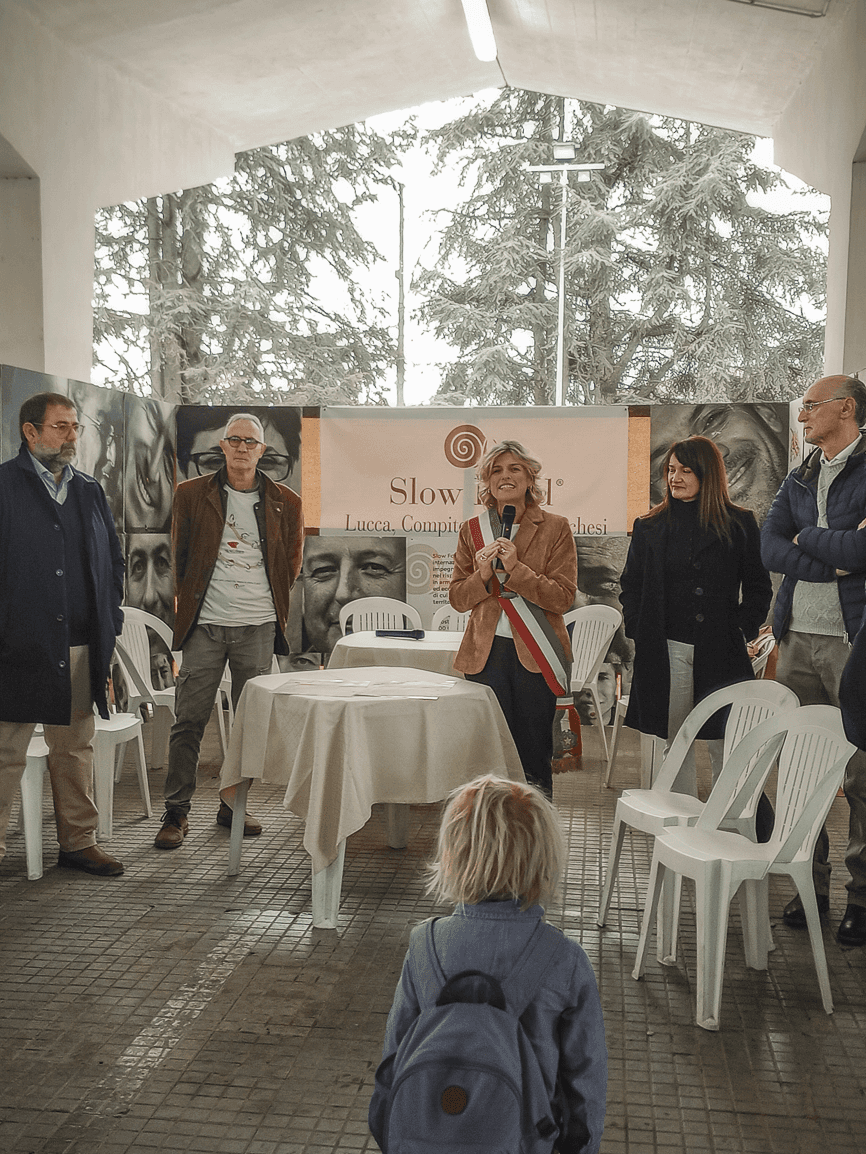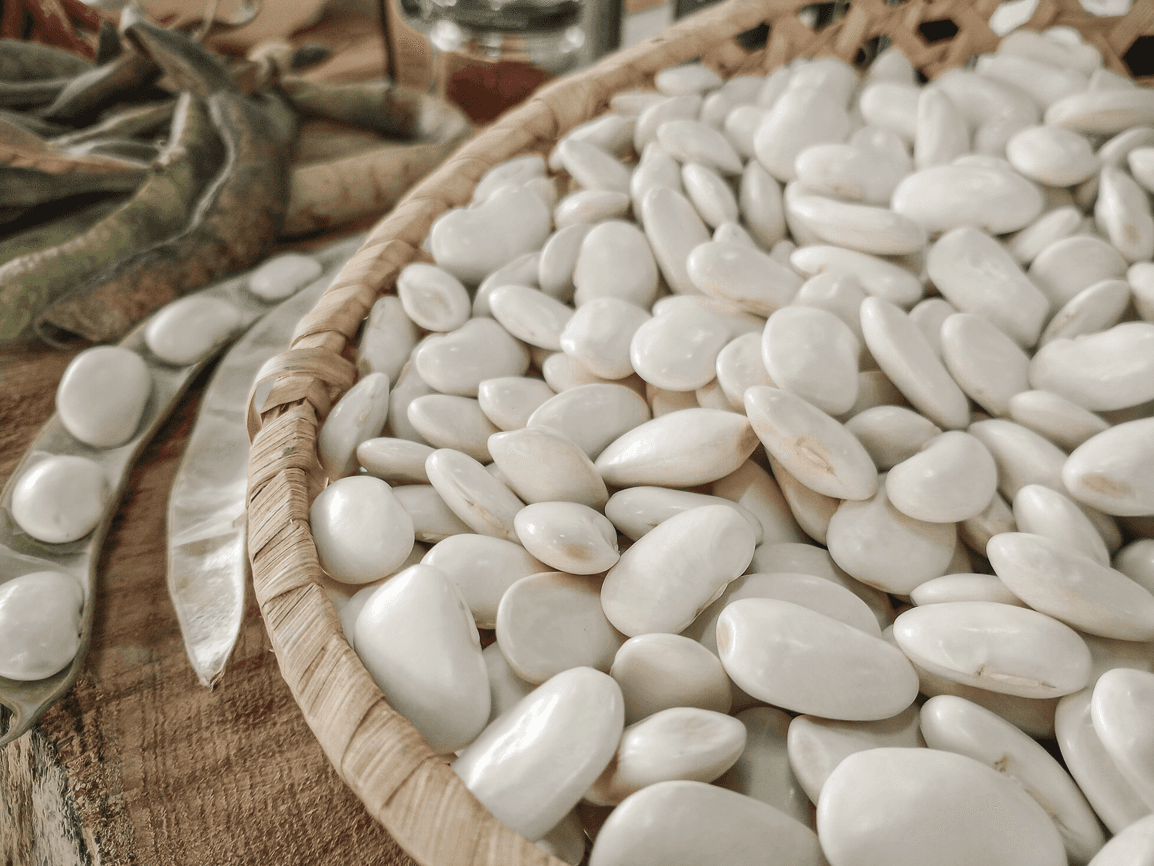
There is a place, in Marlia, at the gates of Capannori, where for a few days the world slowed its pace. The fruit and vegetable market transformed into a beating heart, a crossroads of hands, seeds, and stories. It is here that the 2025 edition of Slow Beans has just concluded, and those who were there know: it was not just a simple event, but a collective rite, a liturgy of taste and memory.
Walking among the stalls, one had the feeling of being at the center of something ancient yet brand new: a different way of inhabiting the land, listening to time, and recognizing the value of care. Because legumes, if you look closely, are not just a food: they are a language.
In a world that rushes without knowing where to go, Slow Beans reminds us that the true revolution is knowing how to stay.
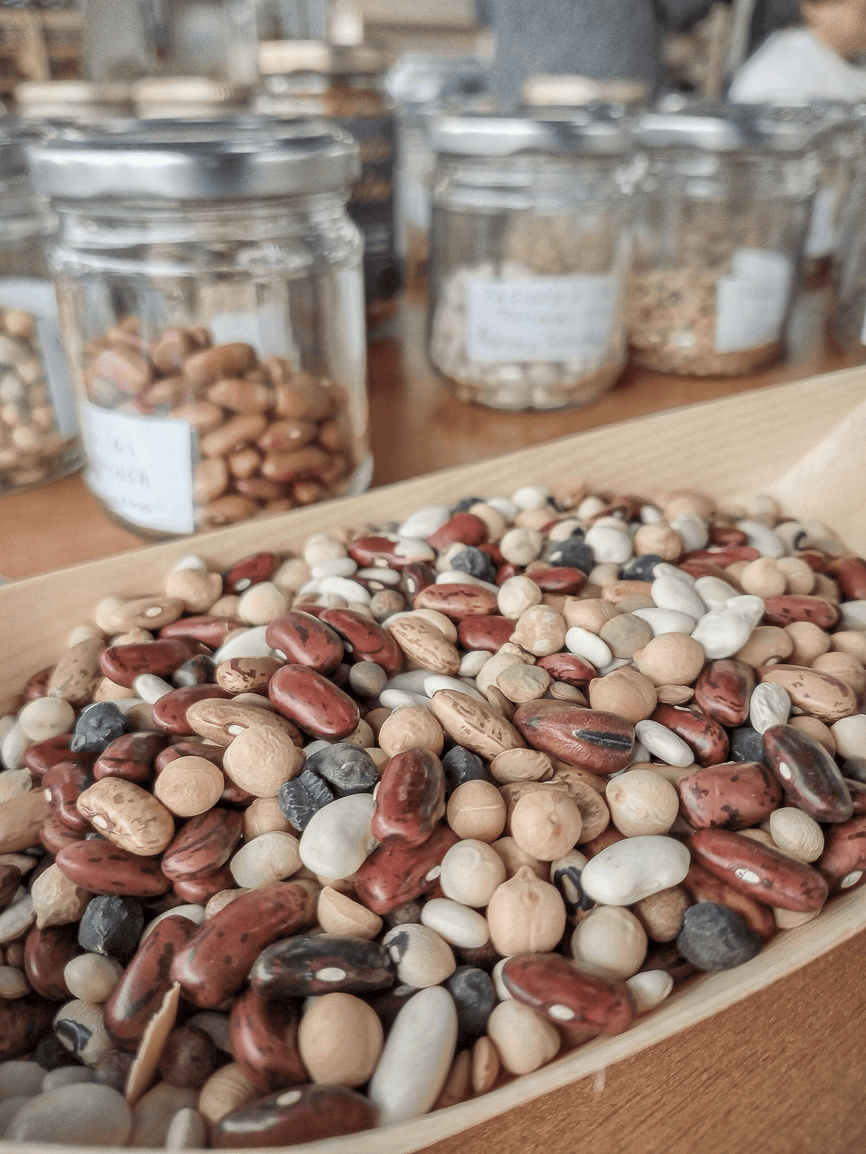
Stay true to the rhythms of nature, to the soil that breathes, to the biodiversity that doesn’t ask for applause but for attention. In Capannori, small ancient seeds – chickling vetch, beans, chickpeas, broad beans, roveja, lentils – have told a simple truth: there is no future without roots.
Amid producers and spokespeople speaking softly, as one speaks about important matters, a very clear message emerged: every legume is a promise. A promise of good, clean, and fair food. A promise of relationships, territories, and communities. A promise of being able to choose again who we want to be.
In Marlia, there were men and women who had come from far away, engaged for years in saving varieties at risk of disappearing. You would meet them smiling among the stalls, with clear eyes and hands marked by the earth. They are the true protagonists of Slow Beans: guardians rather than producers, artisans of biodiversity who transform each season into an act of cultural resistance, from Sicily to Latvia, from Sweden to the United States. They do not seek recognition; they seek allies.
In every location, in the voices that filled the humid air of the Lucchese countryside, one could breathe in an Italy – and a world – that does not succumb to homogenization.
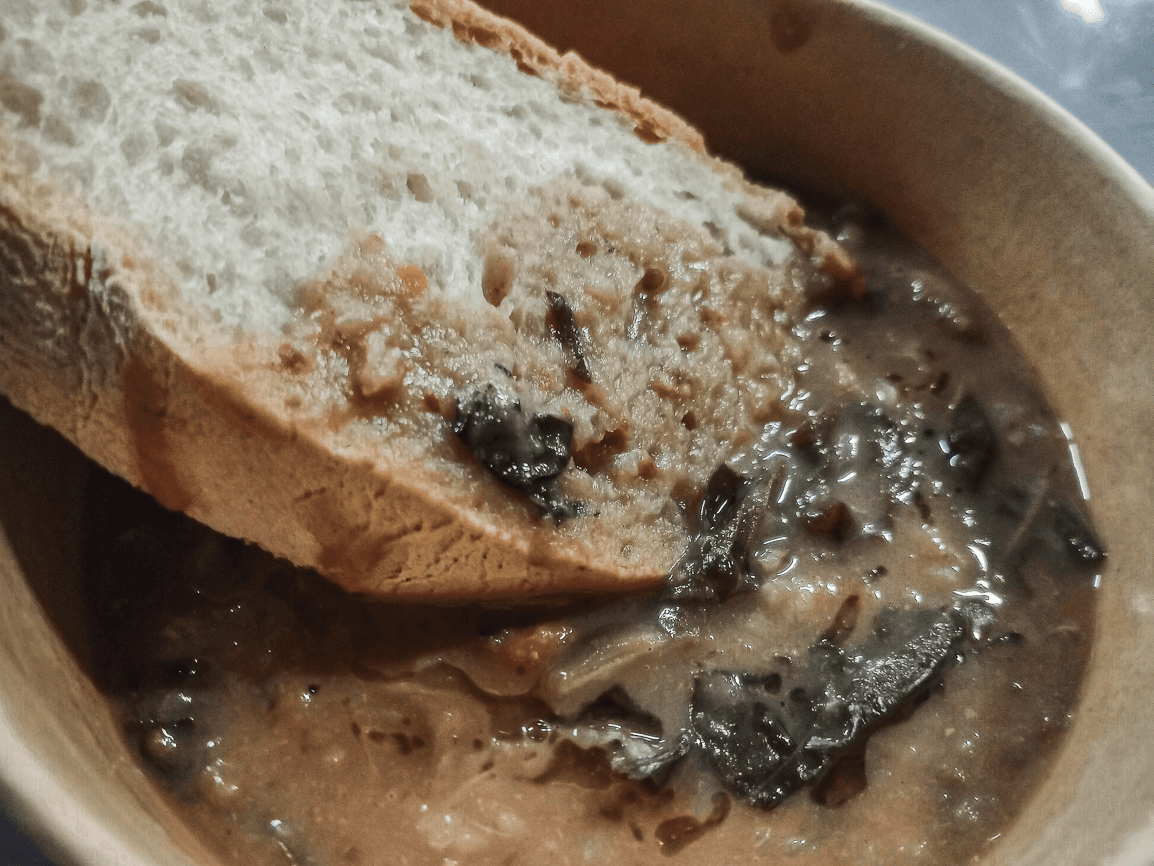
The Slow Beans network is a story and a vision: the place where the past intertwines with the present and becomes nourishment for tomorrow. A particular silence accompanied the tastings of the “bean olympics”: a form of respect. As if every spoonful were an almost sacred gesture, a way to say “I acknowledge your work, your time, your patience.” Because legumes are not just consumed. They are contemplated. They symbolize what grows slowly, what requires patience and returns an identity.
The 2025 edition will not be confined to Capannori: its message will travel far and wide. It speaks to the young people rediscovering the land as a possible horizon. To families seeking food that does not betray. To territories that find a concrete future in biodiversity. To chefs who rediscover complexity in simplicity. And it also speaks to us, who in that market felt something rare amid the contemporary din: an authentic sense of belonging.
Perhaps the true legacy of this edition lies in reminding us that a legume is never just a legume. It is a seed, and every seed is a political act. An act of love. An act of trust.
Slow Beans 2025 delivers a clear message: to change the world, we must first change the pace of our steps.
Slow down. Listen. Cultivate. Share.
Because the food that saves the planet does not come from a recipe, but from a relationship: with the earth, with those who work it, with those who tell its story, and with those who respect it. And ultimately, the legacy of Slow Beans is all here: rediscover what is small to return to making humanity great.