In recent years, the Lazio wine landscape has shown signs of major transformation: a slow change made up of attempts, adjustments, and insights. Traditionally associated with easy-drinking white wines and red wines rooted in local territory, Lazio is progressively redefining its identity also through the production of sparkling wines, not out of trend or imitation, but from a genuine tension between terroir and vision.

We are far removed from the era when the famous “romanella,” Cardinal Ferdinando Taverna’s sparkling wine, was served in the fraschette of the Roman Castles or at village festivals. A lightly sparkling wine born by accident from the refermentation of a red wine, with great thirst-quenching and pleasant qualities, it still exists today under the Roma DOC designation as a sparkling wine type updated in a modern style.
From a grape-growing perspective, Lazio has a particularly rich varietal heritage that is well suited to sparkling wine production.
Volcanic soils capable of adding depth, favorable temperature swings, and the constant presence of the sea. Elements that today, with greater awareness, prove particularly suited to producing sparkling wines.
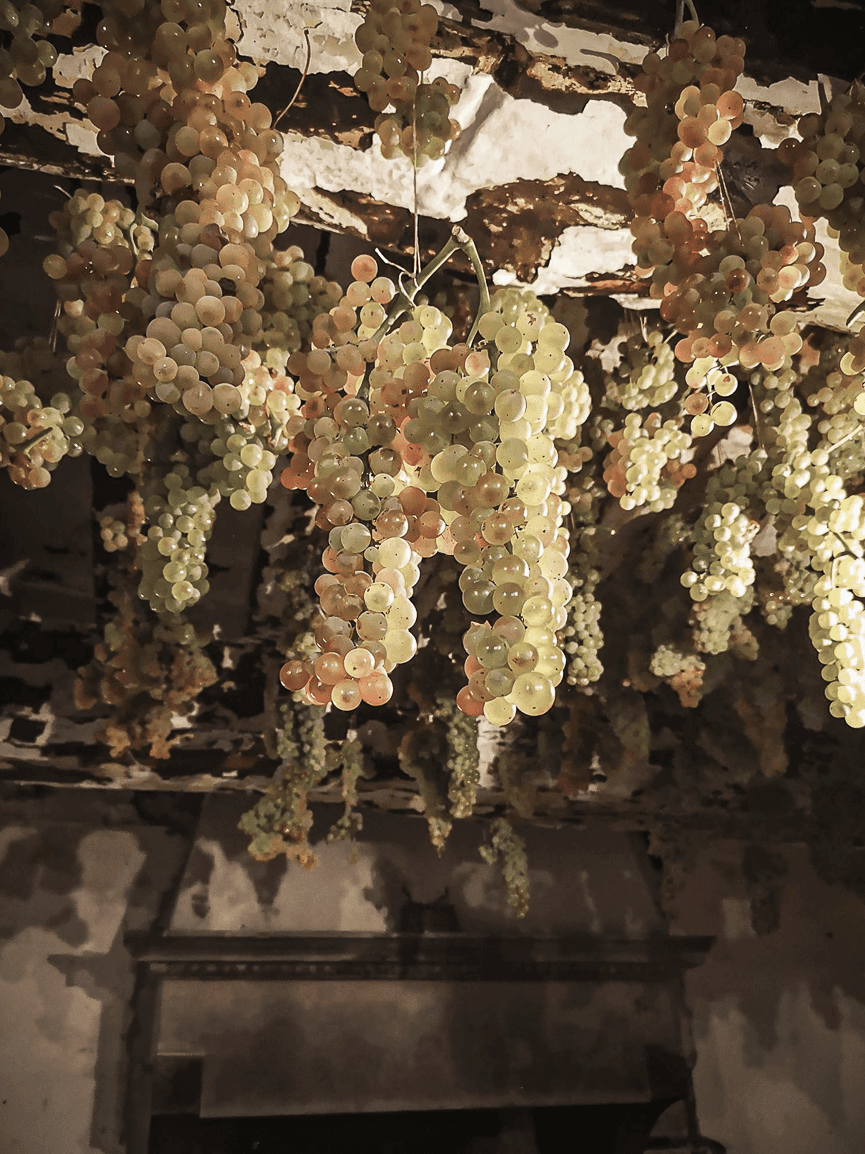
Grape varieties such as Malvasia Puntinata, Bellone, and Trebbiano show characteristics useful for creating fresh, dynamic bases. Bellone, in particular, combines structure and acidity, making it suitable for more complex interpretations as well. Trebbiano, in its forms including the more local "Roscetto," often considered neutral, reveals a balancing role in this context, while Malvasia Puntinata contributes a more subtle aromatic component.
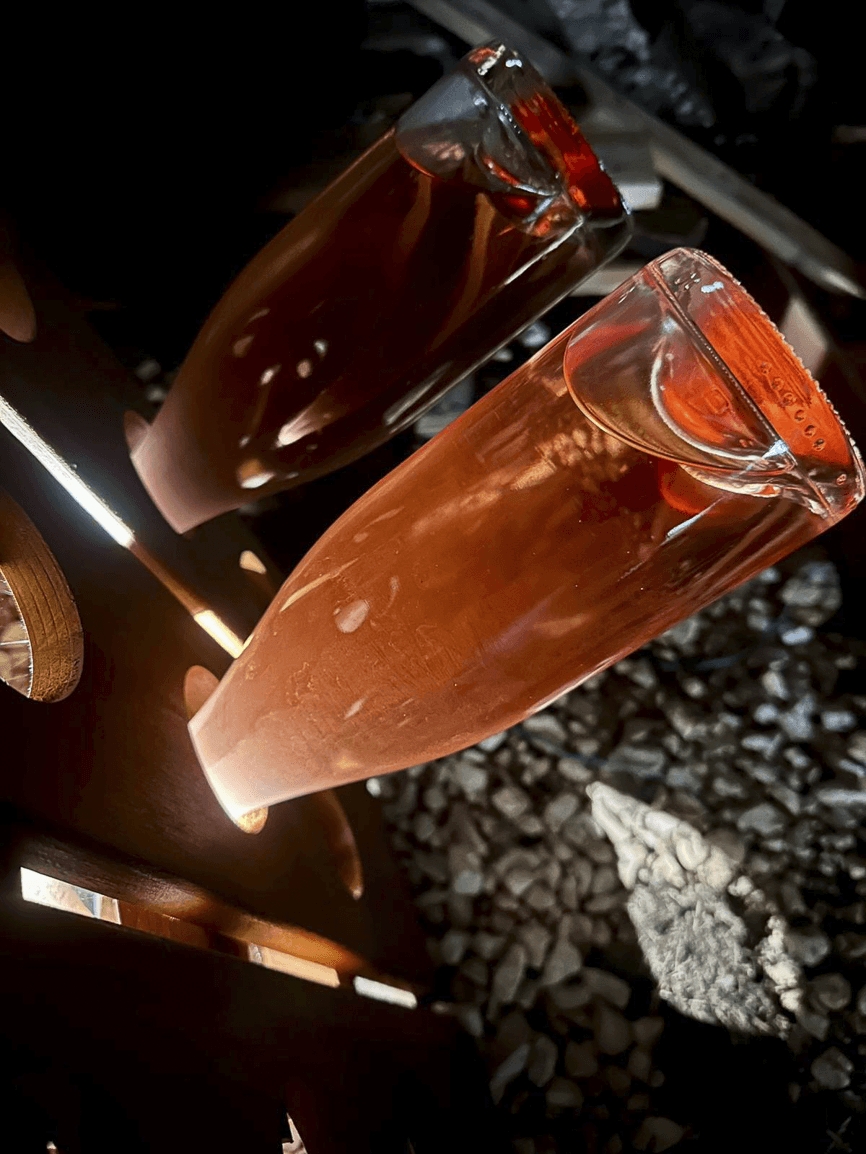
Alongside these varieties, some producers introduce Chardonnay and Pinot Noir, not so much as an imitative model as a means of comparison and of expanding expressive range. On the production side, two directions can be observed: on the one hand, the classic method, which involves long aging times and a more elaborate construction of the wine, greater complexity, and a closer relationship with time. On the other hand, the Martinotti method retains a more immediate dimension, tied to freshness and immediate drinkability.
In this scenario, some companies have begun to chart recognizable directions.
Marco Carpineti worked with rigor and consistency on Bellone, helping to demonstrate that a local grape variety can support a credible sparkling-wine vision. Famiglia Cotarella, on the other hand, chose the path of experimenting with Roscetto, expanding the range of possibilities without giving up its own identity. More deeply rooted, but no less significant, is the experience of Cincinnato and Cantine Sant'Andrea, where the recovery of native grape varieties such as Nero Buono and Moscato di Terracina becomes an act that is both agricultural and cultural.
In a national context where many identities are already defined, Lazio moves in a freer space, less constrained. A condition that may seem like a limitation, but that in reality represents a rare opportunity: to build a language without having to inherit it. Lazio’s sparkling wines today are not a fully developed system; they are not yet trying to establish themselves, but simply to exist with coherence. That is precisely why they are worth following now, because in this perhaps still imperfect but deeply alive phase, wine stops being just a product and becomes a story again: the story of a land that is growing while preserving its connection to tradition in a contemporary key.