
In collaboration with 
In a hidden corner of the Marche Apennines, amid the quiet winding roads connecting the mountain hamlets of Acquasanta Terme to those of Arquata del Tronto, there exists a small bastion of cultural and civic resistance: the Slow Food Community of Favalanciata. Here, in the small, picturesque village of the same name in the Ascoli hinterland, an ancient legume—as humble and resilient as the land that nurtures it—has become a symbol of rebirth following the 2016 earthquake. A seed—or rather, a handful of seeds—serves as a living link between memory, community, and a viable future.
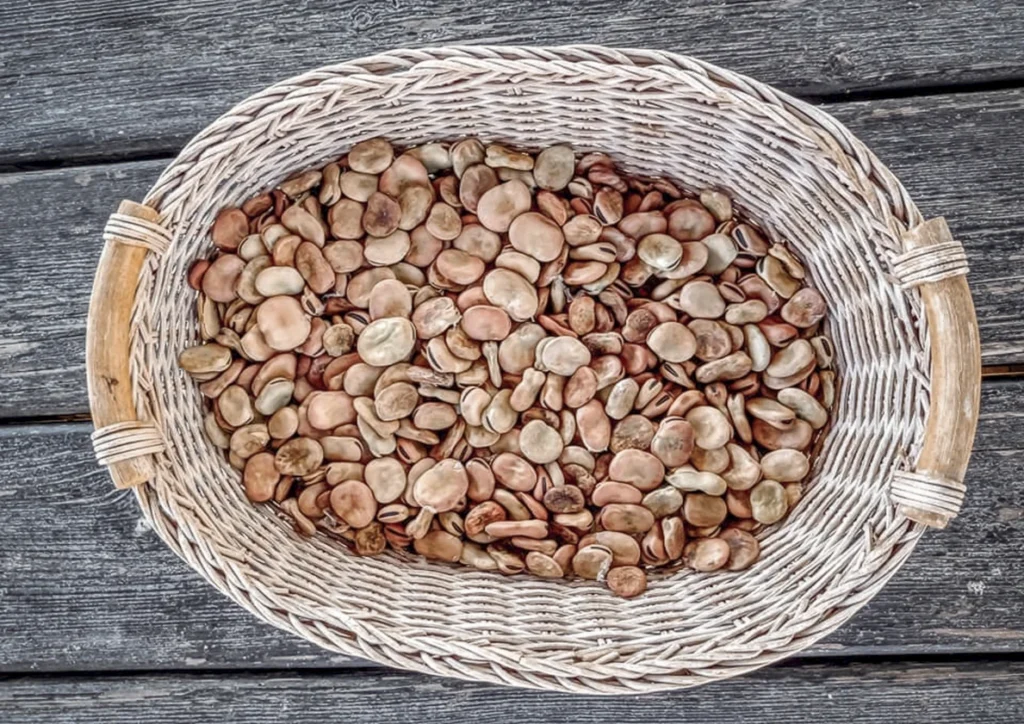
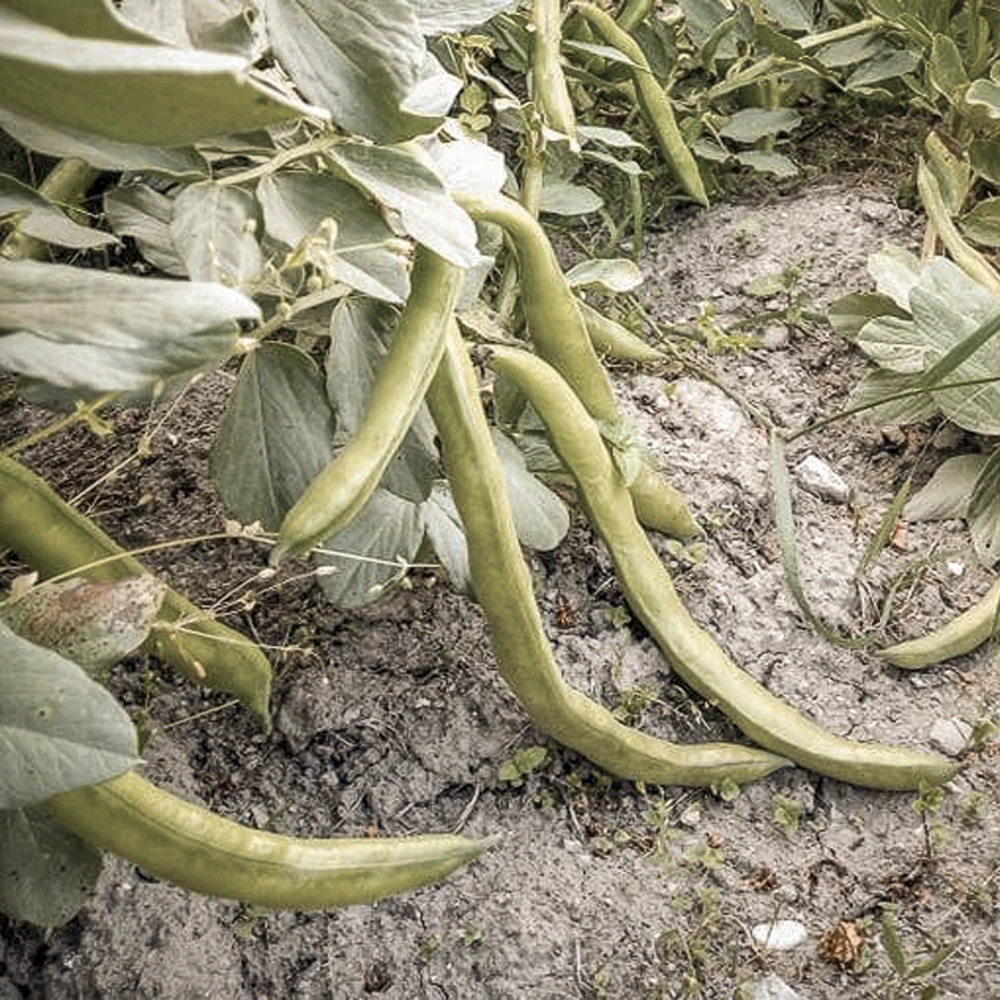
The protagonist of this story is the Favalanciata fava bean, cultivated for generations in the village’s private gardens. Like so many marginal crops of the Apennines, it has become an emblem of identity and social cohesion.
Here, where its name is rooted in its very etymology. In the wake of the 2016 earthquake, which severely impacted the entire Piceno area, damaging homes and disrupting daily life, something profoundly simple began to mend the torn fabric of community: the act of growing, harvesting, and eating together.
The earthquake left Favalanciata wounded, but not defeated.
While the outside world spoke of uninhabitable conditions and depopulation, some residents decided to start with a small, ancient gesture: planting.
It was a way to stay connected, to come together again, and to still feel part of something. The fava bean—resilient, adaptable, and symbolically akin to the condition of mountain dwellers—became the heart of a new idea: transforming a local crop into a community project.
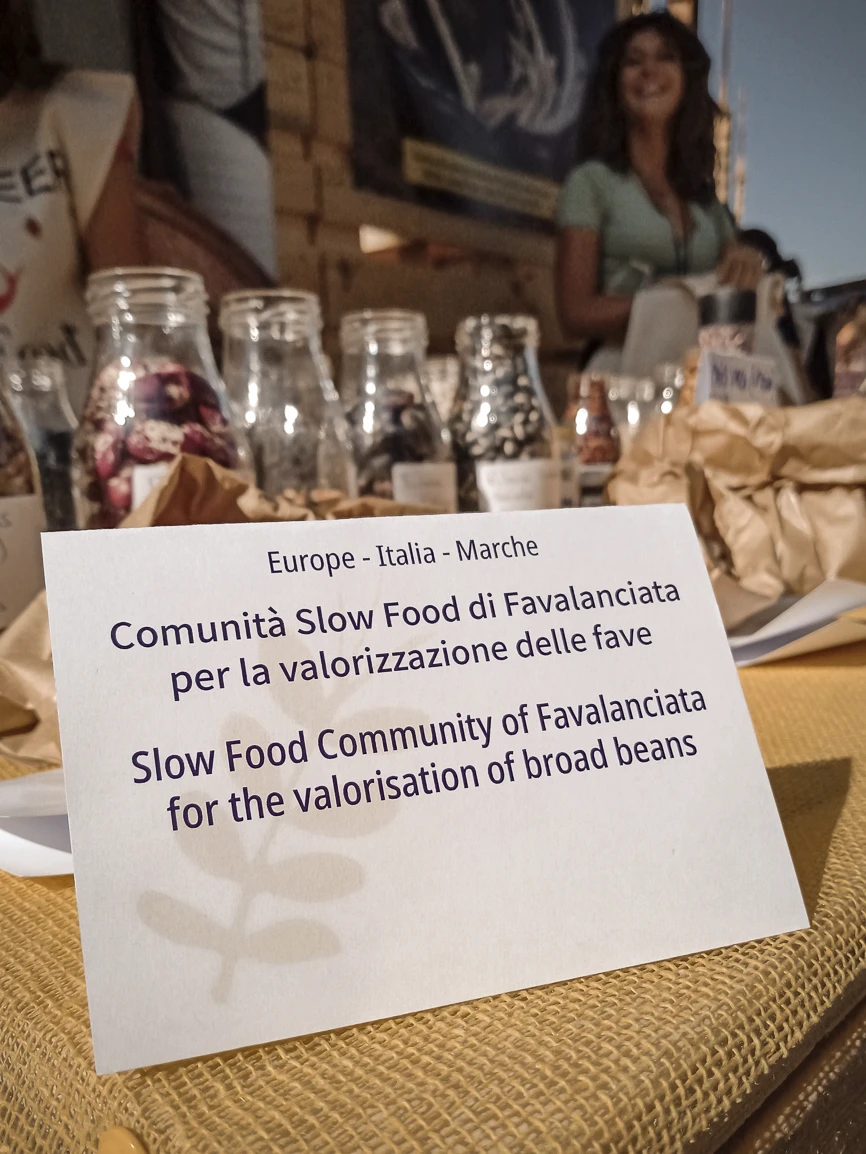
In 2018, the Favalanciata Slow Food Community was officially founded to promote fava beans, with a twofold goal: to safeguard agricultural and, above all, cultural biodiversity, as well as to rebuild a grassroots social network made up of people—young and old, families, and lovers of good food. The approach is not merely about culinary revival, but about caring for one’s own garden, the local area, and relationships.
The work of the Community’s members is not limited to cultivating their own land. It involves research, selection, seed preservation, and the exchange of knowledge across generations and distant towns. But above all, there is
the idea—at the heart of Slow Food—that food can serve as a cultural lever, a human bond, and a driver of local development. Workshops with schools, trips around Italy, and shared lunches or dinners centered on a dish of fava beans have reignited a sense of belonging. At a time when inland areas risk becoming “non-places,” Favalanciata holds its ground and tells its story precisely through its cultural biodiversity.
It’s not just about agriculture; it’s not just about tending a garden. It’s cultural resilience.
It is the idea that cultivating and sharing a seed is also an act of faith—especially when that seed becomes a reason to stay, to return, and to continue believing in a way of life rooted in the land, in natural rhythms, and in community. Today, the Favalanciata fava bean is protected, cooked in a thousand different ways and in various places, but above all, it has become a symbol of rebirth. Its self-produced seeds, ready to be planted in private gardens every fall according to centuries-old traditions and methods, silently tell a story different from that of the post-earthquake news reports: a story of cohesion, care, and vision. It is the story of a community that, through the humblest of legumes, has chosen not to forget who it is—and to keep growing. Together, toward a viable future.