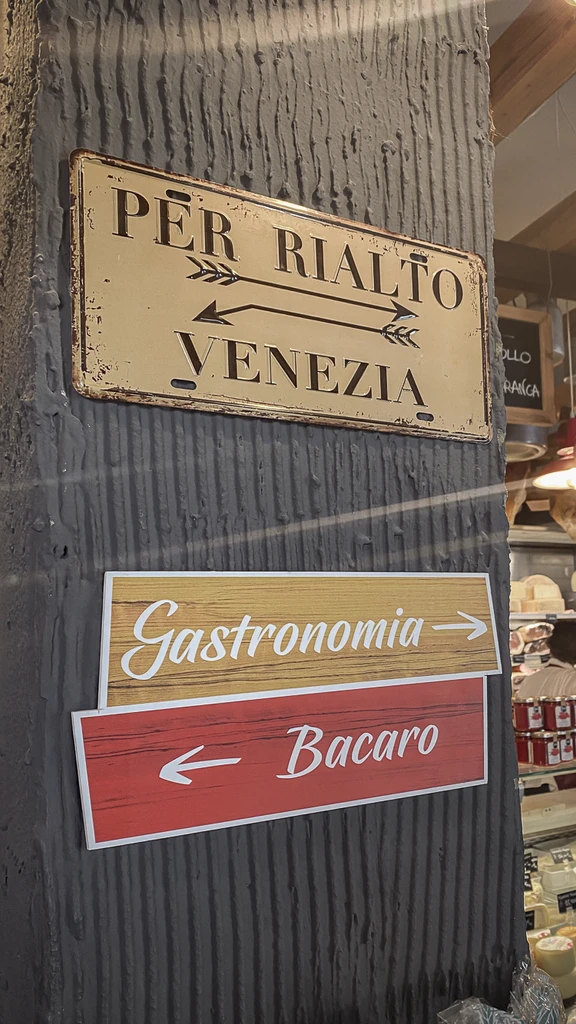

Every time I go to Venice, I can’t help but stop by a bacaro. It’s like a ritual, a must-do that reconnects me with the city’s truest spirit.
These small establishments have a unique charm: they offer much more than a glass of wine and a few cicchetti; they provide an experience steeped in tradition and everyday life.
Bacari are the heart of a centuries-old tradition that embodies the essence of the city’s social life. These small, often modest and informal spots offer an authentic food and wine experience, where conviviality and genuine flavors come together in a welcoming and relaxed atmosphere.

Originally established as taverns for merchants, gondoliers, and laborers, bacari have served as a gathering place since the 14th century for anyone seeking a glass of wine and a quick snack.
The famous cicchetti—small dishes that reflect the city’s history through flavor—are at the heart of their culinary offerings.
The term “bacaro” seems to derive from “Bacchus,”
the god of wine, highlighting the indissoluble bond between these establishments and the Venetian winemaking tradition. Initially, bacari were simple, accessible places where wine was served by the glass directly from barrels. These unpretentious spaces were designed to create an informal and welcoming atmosphere, ideal for socializing and escaping the hustle and bustle of daily life. Even today, the essence of the bacari is reflected in their ability to offer a quiet corner—a place to stop for “an ‘ombra’” of wine and enjoy the company and the relaxed atmosphere of Venice’s narrow streets.

The cicchetto, with its wide variety, is the true star of bacari cuisine. Among the many cicchetti I’ve had the pleasure of tasting, the one with creamed salt cod is undoubtedly my favorite. For me, this creamy and flavorful dish embodies the Venetian spirit; it tells a part of Venice’s history and culture, combining tradition and flavor in a single bite.
Sarde in saor, with their delicate sweet-and-sour balance, and meat or fish meatballs, stewed baby octopus, cuttlefish in ink, and fried vegetables are equally significant, offering a concentration of flavors that reflect the ingenuity of Venetian cuisine, born from the need to make the best use of available resources.
Every cicchetto is a small culinary work of art
that tells a different story, one that unfolds the moment you take your first bite.
But the true magic of the bacari goes beyond the food. It’s the atmosphere that makes these taverns special.
Even when the places are crowded, the atmosphere remains surprisingly relaxed. There’s a sense of tranquility that permeates the bacaro, a feeling of belonging that’s rare to find elsewhere. Bacari are places where it’s easy to exchange a few words with fellow patrons or, sometimes, with the owner himself. This informal interaction creates a sense of community and connection that is rarely found in more conventional restaurants. The chance to chat with all kinds of people, discovering stories and traditions through spontaneous conversations, enriches the experience and helps make every visit unique. It is this exchange of words and glances that makes bacari an irreplaceable gathering place—a spot where people return not only for the food, but for the company and atmosphere that can’t be found anywhere else.
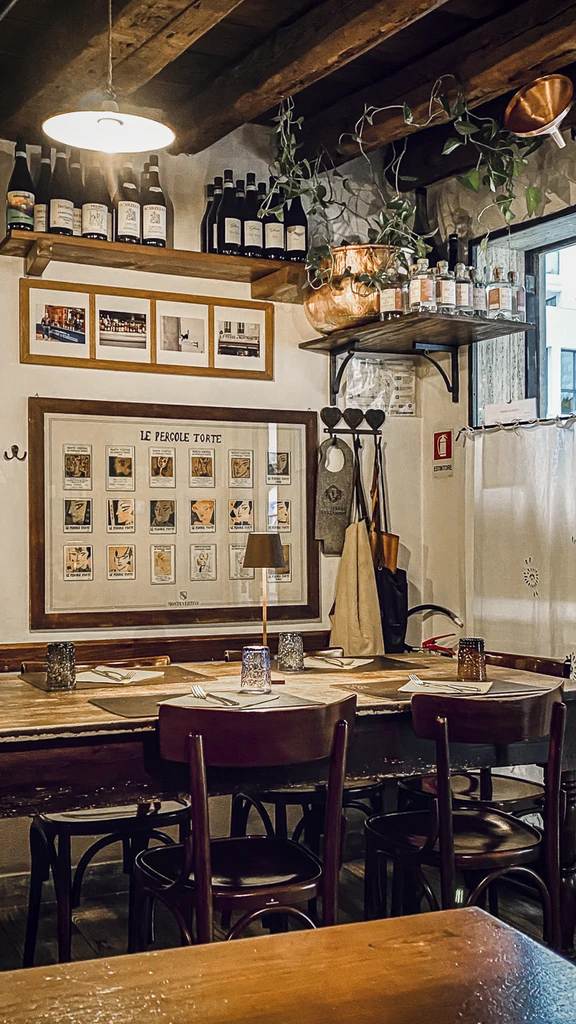
In recent years, the bacari have evolved without losing their authenticity. Many of the historic establishments have paired classic cicchetti with new interpretations that, while playing with flavors and textures, remain true to tradition. This evolution is also evident in the wine selection, with many bacari offering not only classic house wines but also a carefully curated selection of local labels. Particular attention has been paid to natural and organic wines, offering a tasting experience that combines tradition and quality while meeting the demands of a more modern and discerning clientele.
Asking for “an ‘ombra’” of wine
is a gesture that harkens back to an ancient custom of the vendors in St. Mark’s Square, who would move into the shade of the bell tower to keep the wine cool. This term, still in use today, symbolizes the deep connection between the bacari and Venetian culture—a way of speaking that conveys respect for a tradition that has managed to remain alive and vibrant. I enjoy asking for an “ombra” in a crowded bacaro, observing the expressions on the faces around me, the smiles exchanged between friends and strangers, and feeling like I’m part—even if just for a moment—of a world that seems to defy the passage of time.
Despite changing tastes and habits,
the bacari continue to be a go-to spot
for those seeking an authentic experience in Venice. Far removed from fleeting trends and mass tourism, these establishments remain places of encounter and exchange, where time seems to move more slowly. Every cicchetto tells a story, intertwined with the culture and territory of a city that never ceases to fascinate. It is this balance between simplicity and authenticity that makes the bacari a truly unique experience—a gastronomic haven where every visit becomes an opportunity to immerse oneself in everyday Venetian life and discover a piece of history with every bite.